
Whole-Home Generator Fort Myers Planning for New Homes
A long outage can turn a beautiful new home into a hot, dark, and inconvenient place within hours. Planning a whole-home generator Fort Myers system before construction begins gives you better placement, cleaner electrical work, and fewer costly changes after move-in.
The best time to make generator decisions is while the floor plan, site plan, electrical service, and utility connections are still on paper. Early planning also gives your builder, electrician, and generator contractor time to solve details together.
Whole-Home Generator Fort Myers Planning Starts With the House Plan
A standby generator affects more than the electrical panel. It needs a stable pad, fuel connection, transfer equipment, service access, and a safe route for exhaust. Those items belong in the construction plan, not on a rushed change order near the end of the build.
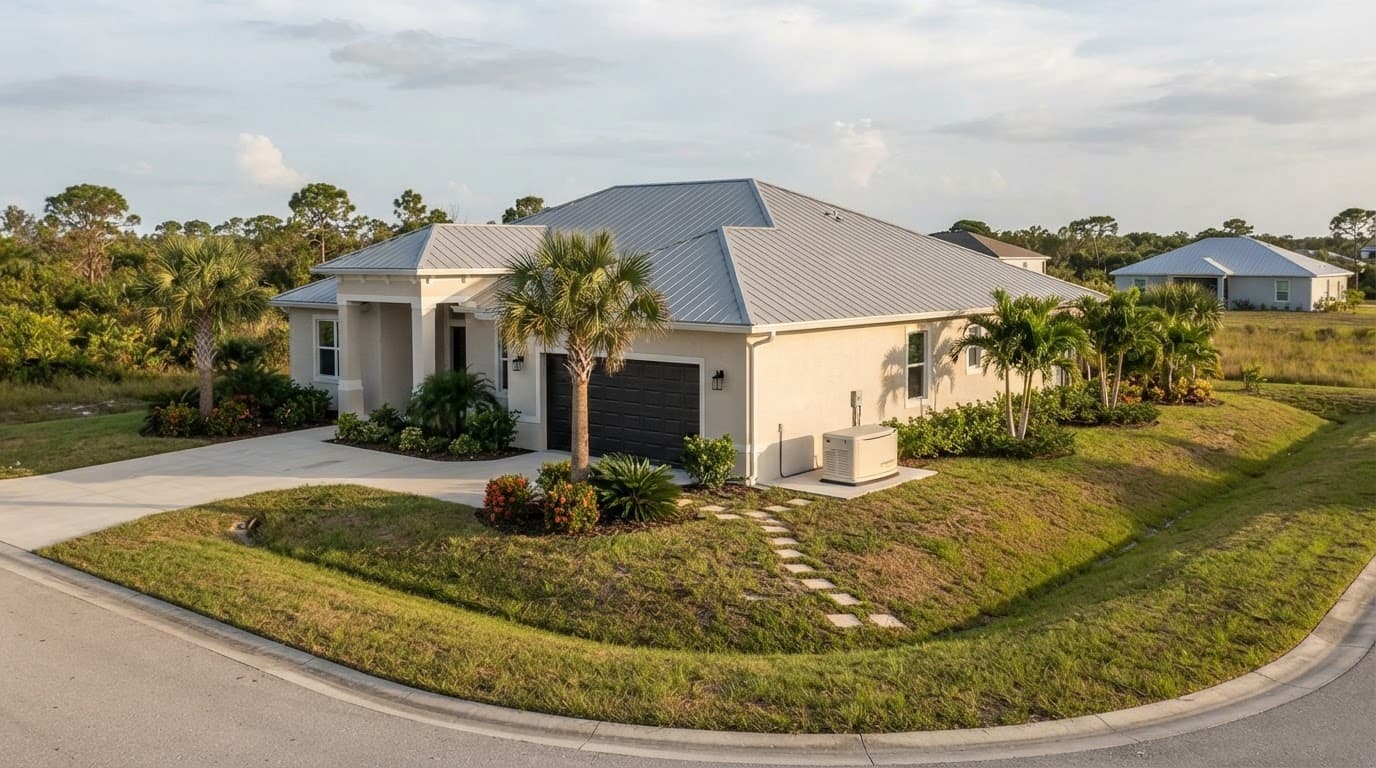
For a custom home, mark a possible generator location during site planning. Consider the garage wall, screened lanai, bedroom windows, air-conditioning equipment, pool equipment, drainage swales, and property lines. A location that looks open on an early drawing may become crowded after landscaping, condensers, fencing, and walkways are added.
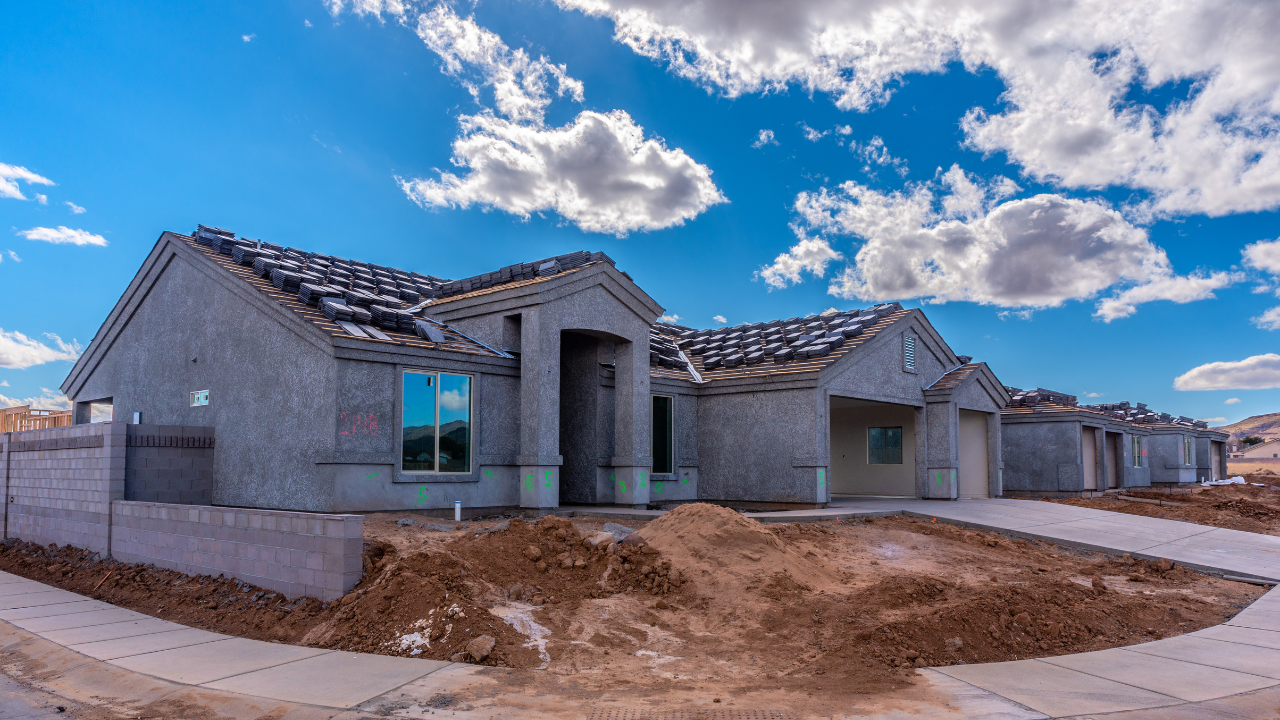
A well-planned home also leaves room for future needs. If you expect to add a pool heater, EV charger, outdoor kitchen, or detached workshop, include those loads in the conversation early. Reviewing custom home building services before finalizing the plan can help connect electrical priorities with the home's overall design.
Bring the Builder, Electrician, and Generator Contractor Together
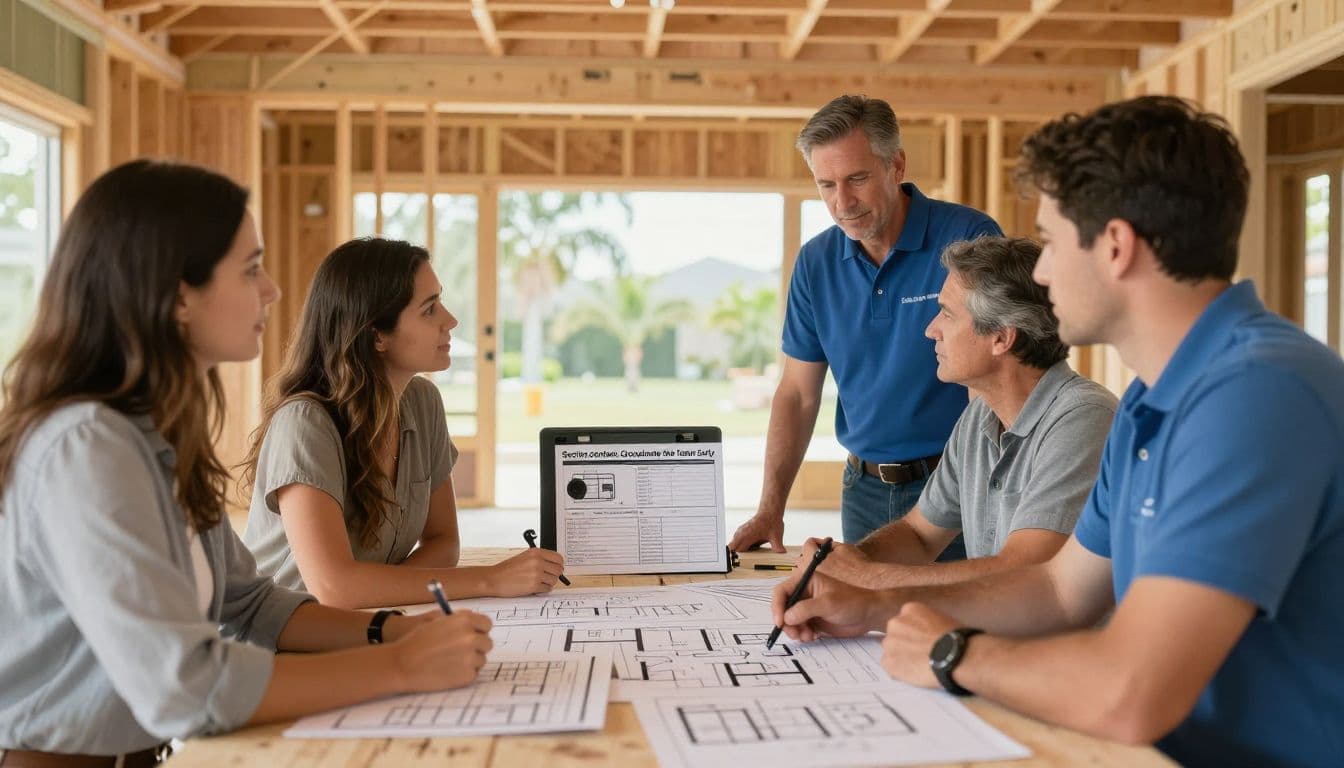
Generator work often goes wrong when each trade receives only part of the picture. The homeowner knows what must stay on during an outage. The builder understands the lot and construction schedule. The electrician sizes service equipment, while the generator contractor selects compatible equipment and fuel connections.
Set the homeowner's outage priorities
Start with the life-safety and comfort systems your household expects to run. In Fort Myers, that usually includes central air conditioning, refrigeration, lighting, internet equipment, well pumps where applicable, garage access, and selected cooking appliances.
Then separate wants from needs. Running every appliance at once requires more capacity and fuel than keeping the home safe and comfortable. A clear priority list prevents disappointment after installation.
Coordinate the construction sequence
The team should decide when to pour the pad, install conduit, run gas piping, set transfer equipment, and schedule final connections. Conduit installed before landscaping and concrete work is easier to protect and conceal.
A generator can be selected late, but its best location, electrical pathway, and fuel route are decided while the home is being designed.
Written decisions matter. Keep the selected generator model, fuel source, transfer-switch type, load assumptions, pad location, and responsible contractor in the project file.
Size the System With a Real Load Calculation
A generator's kilowatt rating alone doesn't tell you whether it fits the home. The right size comes from a load calculation that accounts for the equipment installed in your specific house.
For a whole-home generator Fort Myers project, ask the electrician to review major loads instead of estimating by square footage. Air-conditioning compressors, electric ranges, wall ovens, dryers, water heaters, pool pumps, spa heaters, and EV chargers can change the answer quickly.
Account for starting loads and load management
Motors draw more power when they start. Your HVAC equipment, refrigerator, well pump, and pool pump may not all start at the same moment under normal operation. However, the generator and transfer equipment must handle expected demand without nuisance shutdowns.
Load-management modules can temporarily delay nonessential equipment when demand rises. They can make a smaller generator practical, but only when the system is designed around your actual priorities.
Build in room for planned upgrades
A house that will later receive a second HVAC zone or electric pool heater needs that possibility documented now. The electrician may recommend larger service equipment, empty conduit, or reserved panel space even if the first generator installation does not power every future load.
Avoid selecting a unit based on a neighbor's house or an online rule of thumb. Homes with similar square footage can have very different electrical demand.
Choose Fuel and Transfer Equipment Before Utility Work
Fuel availability often shapes the entire system. Natural gas can offer a continuous fuel supply when service is available and properly sized. Propane gives homeowners another option, yet it requires a tank location, capacity decision, delivery access, and separate coordination.
Compare natural gas and propane realistically
Natural gas plans need the piping material, pipe size, and run length reviewed. The gas system must deliver enough fuel when the generator operates at high demand.
Propane planning adds tank siting to the property layout. In the City of Fort Myers, fuel tanks require separate Fire Department permitting. The tank's location should allow safe placement, delivery access, and future maintenance without disrupting the home's outdoor spaces.
Protect the utility line with proper transfer equipment
A standby generator must never back-feed utility lines. Florida Power & Light requires customer-provided transfer equipment that disconnects the home's service equipment from FPL lines before generator power connects.
That isolation protects utility workers and prevents damage to equipment. Backup generators used only for emergency power generally do not need an FPL interconnection agreement, but the transfer equipment still needs to meet current utility and electrical requirements.
Plan Safe Generator Placement, Ventilation, and Access
The generator enclosure needs open air, clear service space, and a path for exhaust that does not threaten occupants. Never choose a location only because it is out of sight.
City of Fort Myers generator plans must show measured distances to building openings, property lines, windows, doors, air-conditioning units, and other nearby equipment. Manufacturer instructions also set placement limits for the selected unit.
Keep exhaust away from openings and gathering areas
A bedroom window, lanai door, outdoor kitchen, or fresh-air intake can make an otherwise convenient location unsafe. Carbon monoxide detector placement also belongs in the permit package for Fort Myers generator work.
Place the unit where exhaust has room to disperse. Avoid directing noise and heat toward a neighbor's bedroom wall or your own frequently used outdoor area. If screening is part of the design, it must not restrict airflow or block service access.
Design the pad, drainage, and service route
The City requires the pad type on generator plans. A poured slab may need engineered design details. The pad should sit above surrounding grades with drainage directed away from the equipment and house foundation.
Coastal sites require extra care. Confirm the property's flood-zone status, design flood elevation, and local elevation requirements before setting the pad height. An elevated stand or engineered pad may be appropriate on some lots.
Technicians need room to remove panels, inspect components, and perform annual service. Do not trap the generator behind a narrow gate, dense hedge, or permanent outdoor fixture.
Verify Fort Myers, Lee County, and Flood Requirements
Permit authority depends on the property's address. Homes inside Fort Myers city limits follow the City's Building, Permitting & Inspections process. Properties in unincorporated Lee County use Lee County Community Development requirements instead.
Check the jurisdiction before a contractor prepares the permit package. Local rules, adopted code editions, flood maps, utility conditions, and review procedures can change.
Prepare a complete permit package
The City of Fort Myers generator checklist calls for manufacturer specifications and installation instructions, electrical plans, load calculations, and riser diagrams when required. Plans must also show fuel details, the emergency shut-down switch, carbon monoxide detector placement, slab type, and a dimensional site plan.
Natural gas submittals need piping information. Propane designs need tank location and capacity. Projects above the applicable threshold may also require a recorded Notice of Commencement before permit issuance.
Check flood and drainage conditions at the parcel
Do not apply a neighboring community's elevation rule to your lot without verification. Instead, confirm current flood-zone information and local requirements for the exact parcel.
A generator placed too low can become inaccessible after heavy rain or storm surge. Pad elevation, drainage, anchoring, and corrosion-resistant details should match the site's conditions and permit review comments.
Use This New-Construction Generator Planning Checklist
Before permits are submitted, review these decisions with the project team:
- Confirm which appliances and systems must run during an outage, including HVAC zones, refrigeration, pumps, internet equipment, and medical devices.
- Request an electrical load calculation based on the home's actual equipment schedule and expected future additions.
- Select natural gas or propane after checking availability, piping capacity, tank location, delivery access, and permit needs.
- Reserve a generator location with clearances to openings, property lines, A/C units, gates, and outdoor living areas.
- Show the generator pad, drainage route, conduit, transfer equipment, fuel line, and emergency shut-down switch on the plans.
- Verify whether the address is in the City of Fort Myers or unincorporated Lee County before filing permits.
- Review flood-zone information, required elevations, and site drainage before building the pad.
- Keep manufacturer installation instructions and model specifications with the permit documents.
- Confirm inspection steps for electrical work, fuel-gas work, and propane tank installation when applicable.
A completed checklist gives each contractor the same target. It also creates a useful record for maintenance, warranty work, and future home improvements.
Build Backup Power Into the Home, Not Around It
A dependable generator begins with careful coordination, accurate load calculations, and a location that respects fuel, exhaust, water, and access. Those choices are easiest to make before concrete, landscaping, and finished walls limit your options.
For a new Fort Myers home, generator planning belongs alongside the foundation, electrical service, and HVAC design. A well-documented plan produces a safer installation and a home that is ready when the power goes out.