


When to Replace Old Plumbing Supply Lines During a Fort Myers Remodel
A remodel can expose plumbing problems that have stayed hidden behind cabinets and walls for years. The right time to assess plumbing supply lines is before new finishes cover them, when a licensed plumber can inspect their material, condition, and connection points.
Replacement isn't automatic just because a home is older. Visible corrosion, recurring leaks, damaged connectors, planned fixture changes, and the condition of concealed piping all help determine whether replacement belongs in the remodel scope.
Key Takeaways
- Replace lines when a plumber finds active leaks, serious corrosion, damaged connections, or other signs of failure.
- Use demolition and rough-in work to inspect piping that would be costly to reach later.
- Consider the material, installation history, water quality, and planned fixture layout together.
- Age alone doesn't set a reliable replacement deadline for every pipe.
- Have a licensed plumber assess the system and verify requirements for the property's jurisdiction.
Why a Remodel Is a Good Time to Inspect Supply Lines
Pipes behind a wall or under a sink can look fine from the outside of the room. During remodeling, however, demolition may reveal corrosion, moisture, or connections that don't suit the new layout. An inspection at this stage can help you decide what to address before drywall, tile, or cabinets go in.
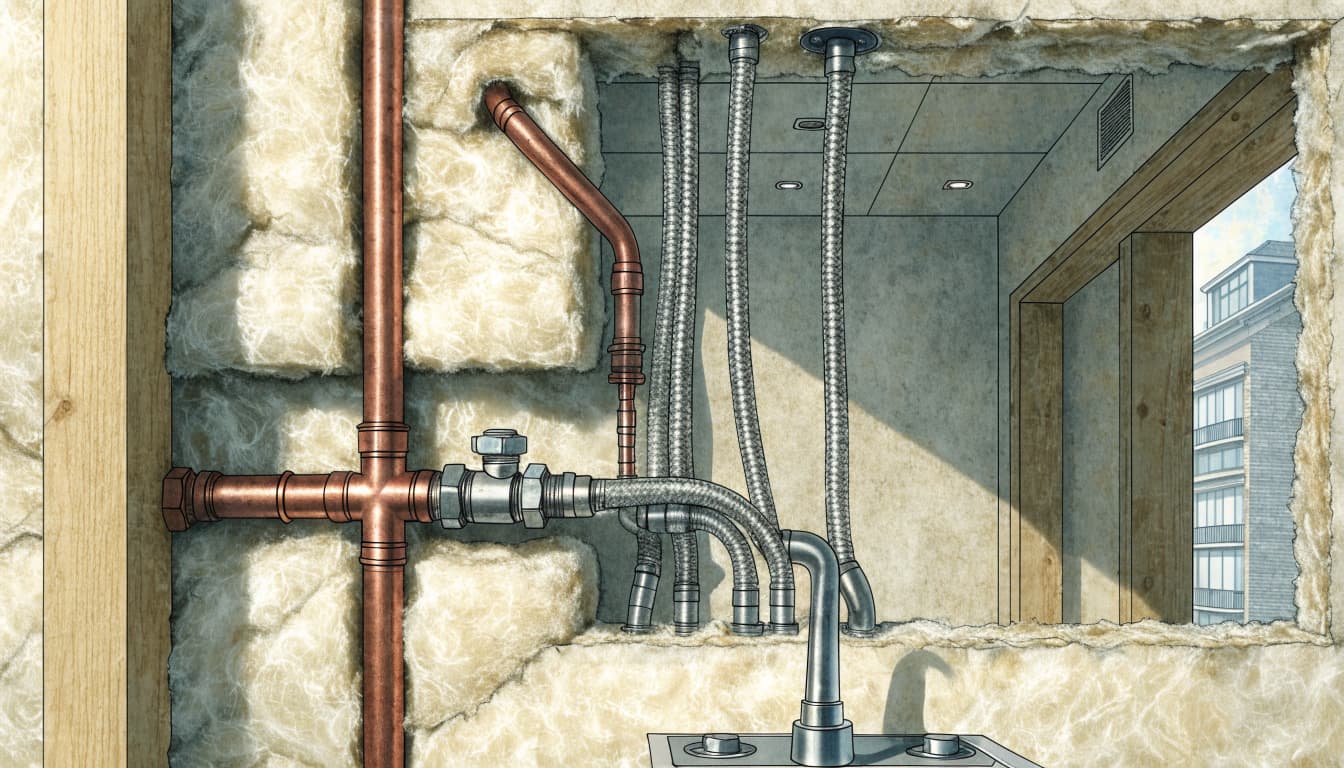
Open walls provide access to concealed piping
When a bathroom or kitchen wall is open, a plumber can examine visible sections, joints, shutoff valves, and transitions between materials. The inspection may reveal staining, corrosion, poorly supported piping, or a past repair that deserves closer attention.
That access matters because repairing a line after the remodel could mean removing new finishes. The right scope depends on what the plumber finds, not on an assumption that every exposed pipe needs replacement.
Fixture changes affect more than the finish plan
Moving a vanity, shower, tub, or toilet can change the route and length of the water lines. Those changes should be coordinated with drain, waste, and vent piping, plus the room's framing and finish layout.
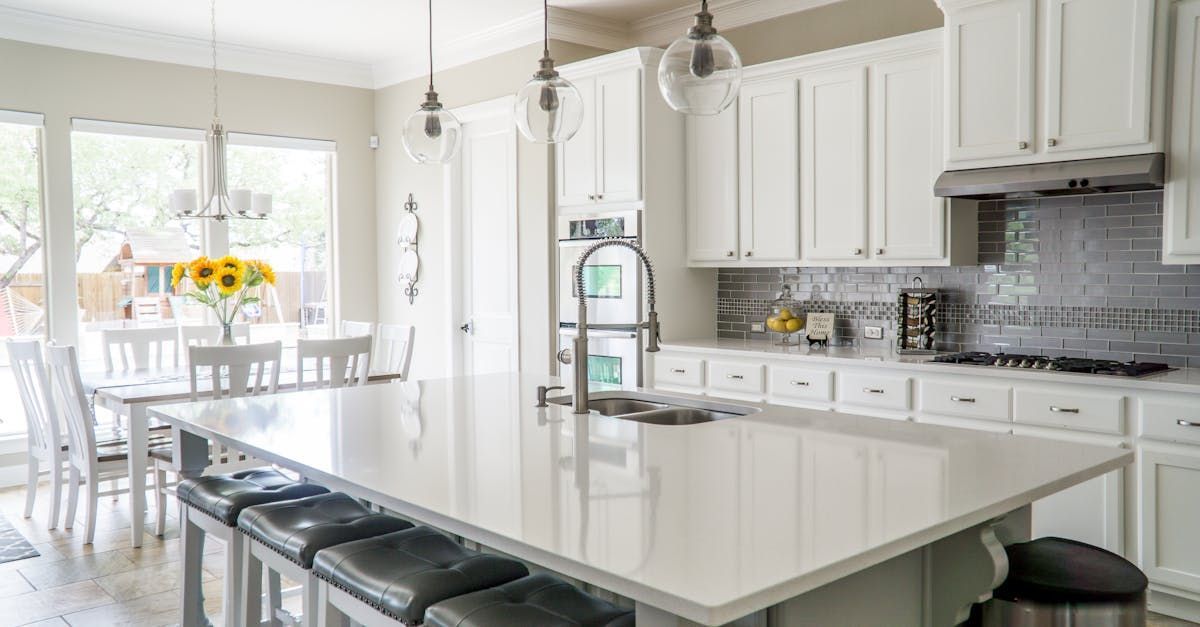
For kitchens, a relocated sink or island may require new supply connections. The rough-in period is the practical time to address those lines. See the kitchen renovation steps from demolition to walkthrough for how concealed work fits into the project sequence.
Signs That Supply Lines May Need Attention
A small leak can damage cabinetry, subflooring, or wall materials before it becomes obvious. Check visible plumbing before work begins, and ask the plumber to examine any lines exposed during demolition.
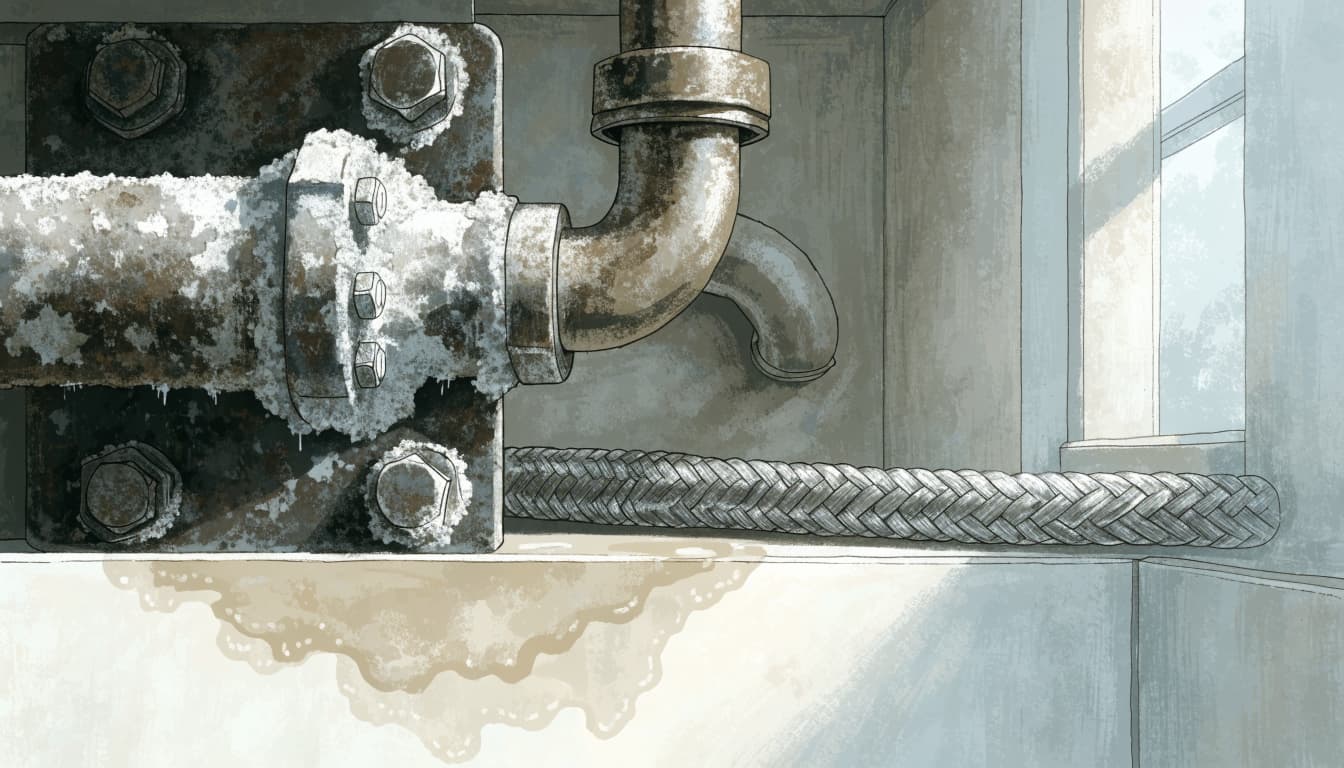
Look for corrosion, moisture, and physical damage
Corrosion may appear as flaking, pitting, discoloration, or mineral deposits around a pipe or fitting. Green or blue staining near copper, rust-colored residue near steel, or a recurring damp area can point to a problem that needs diagnosis.
Also inspect flexible connectors under sinks and behind appliances where they're accessible. Bulges, kinks, fraying, cracked outer coverings, or moisture at either end deserve attention. A rusty shutoff valve or a valve that won't close properly can also complicate future repairs.
Pay attention to repeated leaks and changes in flow
A leak that returns after a fitting repair may indicate that the pipe or connector has deteriorated beyond one joint. Water marks, musty odors, swollen cabinet bottoms, or peeling finishes can reveal a slow leak even when the line is dry during a quick glance.
Low pressure by itself doesn't prove a supply line needs replacement. A clogged fixture aerator, valve, or other plumbing issue can also affect flow. A plumber can trace the cause rather than replacing piping based on one symptom.
How Material, Age, and Water Quality Affect the Decision
There's no single age cutoff that applies to every home's supply piping. Material, installation quality, maintenance, and operating conditions all shape its condition. A plumber should identify the pipe type and evaluate the system rather than relying on the home's age alone.
Pipe material changes what an inspection should look for
Galvanized steel can corrode internally, which may restrict flow even when the outside looks intact. Copper can remain serviceable for many years, but corrosion or pinhole leaks require attention. PEX resists many forms of corrosion, though its fittings, joints, and exposure to physical damage still need inspection.
Flexible braided connectors are separate from the main piping system, but they can fail at the hose or connection. Their condition and manufacturer guidance matter. If a plumber finds a pipe type with a history of problems, such as polybutylene, they can explain whether repair or broader replacement makes sense for that home.
Water quality and age are clues, not a diagnosis
Water chemistry can affect some materials and contribute to deposits or corrosion. But a home's location alone doesn't establish the condition of its water or pipes. The plumber can consider water quality alongside visible signs, leak history, and the line's material.
Age is useful when it helps establish how long piping has been in service or whether installation records exist. Still, a newer line with damage may need replacement, while an older line in good condition may not. Observed condition and project access provide better grounds for a decision than an age estimate by itself.
When Replacement Makes Sense During the Project
Replacement is more compelling when the plumber finds active leakage, substantial corrosion, repeated failures, or piping that won't work with the approved remodel layout. It may also make sense when the project already opens access to a difficult-to-reach section, especially if leaving it would put finished surfaces at risk.
Compare repair with replacing the affected run
A localized repair may be appropriate when the problem is limited and the surrounding piping is sound. In contrast, replacing a longer section may be the better choice when corrosion or damage continues beyond one connection, or when multiple weak points appear along the same run.
The decision should account for access, not just the visible pipe. If the line disappears into a wall or floor, the plumber can explain what can be inspected and whether the proposed repair leaves other suspect sections concealed. Don't treat a single new fitting as proof that the rest of an aging run is sound.
Coordinate replacement with the new layout
Before cabinets, tile, or fixtures are installed, confirm where supply lines will emerge and whether shutoffs remain accessible. A relocated fixture can call for a different route, while a new cabinet plan may affect access to valves and connections.
During planning, discuss known plumbing issues, fixture locations, and what demolition may uncover. The Fort Myers remodel preconstruction meeting agenda can help structure those scope conversations before work begins.
Permits, Inspections, and the Final Walkthrough
Requirements depend on the work and the jurisdiction for the property. A Fort Myers mailing address doesn't always mean the City of Fort Myers handles the permit, so determine which authority applies before finalizing a plumbing change. The Fort Myers bathroom remodel permit checklist covers how fixture moves and plumbing changes can affect the project.
Bring a licensed plumber into the scope early
Ask the plumber to identify the visible pipe materials, assess accessible lines, and explain any limits on inspecting concealed sections. If the scope changes after demolition, update the plan before the plumbing is covered. The licensed plumber should also verify applicable requirements for the property and work being done.
Moving a bathroom fixture often affects water-supply and drain, waste, and vent piping. A relocated shower drain may require slab work and an inspection before the floor is closed. In a kitchen, moving a sink, dishwasher, or refrigerator water line may also affect permit requirements.
Test the work before finishes and at completion
Before a wall or cabinet conceals a new connection, the plumber should complete the required inspections and test the work. Keep a record of concealed routes and shutoff locations if the project documentation includes them. That information can help with future repairs.
At the final walkthrough, run hot and cold water and look beneath sinks for moisture at visible connections. Confirm fixtures operate as intended and that accessible shutoffs work. The Fort Myers remodel punch list includes practical checks for plumbing fixtures after renovation.
Frequently Asked Questions
Should I replace all supply lines during a remodel?
No. Replace lines when their condition, material, or the planned layout supports that decision. Have the plumber assess exposed piping and explain the risks of leaving any questionable sections in place. If the work involves only finishes and the existing lines are in sound condition, replacement may not be needed.
How old is too old for plumbing supply lines?
There isn't a universal age at which every supply line must be replaced. The material, installation, maintenance, and signs of wear matter. If you don't know when the lines were installed, a plumber can assess their condition and identify what can be inspected during demolition.
Does low water pressure mean a supply line is failing?
Not necessarily. A clogged aerator, a partially closed shutoff, or another plumbing issue can reduce flow. If the problem affects multiple fixtures or appears alongside leaks or corrosion, ask a licensed plumber to diagnose the cause before deciding on replacement.
Can I replace only the connector under a sink?
Sometimes. If the connector is damaged but the shutoff and supply piping are sound, replacing the connector may be enough. However, corrosion at the valve or pipe connection can change the scope. Have the plumber inspect both ends before closing up a cabinet or wall.
Make the Decision Before the Walls Close
Remodeling gives you a practical chance to inspect plumbing that would otherwise remain hidden. Replace supply lines when their condition or the new layout calls for it, and avoid relying on age alone.
A licensed plumber can assess the materials, leaks, corrosion, and accessible connections, then verify requirements for the property. Making that decision before finishes go in can prevent avoidable repairs later.