
Cape Coral Kitchen Remodel Timeline: Demo to Walkthrough
A kitchen remodel can feel simple at the start, then suddenly get busy in a hurry. One week you are choosing tile, and the next you are looking at bare studs, delivery dates, and inspection windows.
For Cape Coral homeowners, the kitchen remodel timeline depends on more than the plan on paper. Permits, product lead times, humidity, storm season, and the condition of the house all shape how fast the job moves.
Key Takeaways
- Demo is only the visible start. Permits, approvals, and material orders usually happen first.
- A standard remodel often moves fastest during demolition and rough-in work.
- Cabinets, countertops, and finish materials create the biggest timing gaps.
- Cape Coral projects can slow down because of permit review, HOA rules, and inspection scheduling.
- Good communication keeps the job moving and helps you catch changes before they snowball.
What a realistic kitchen remodel schedule looks like in Cape Coral
A kitchen project rarely runs in one straight line. The calendar has phases, and each phase depends on the one before it.
| Phase | What happens | Typical time |
|---|---|---|
| Planning and selections | Layout, design, finish choices, permits, ordering | 2 to 6 weeks |
| Demolition | Cabinets, counters, flooring, and fixtures come out | 1 to 3 days |
| Rough-in work | Plumbing, electrical, framing, and HVAC changes | 3 to 10 days |
| Inspections | City review and field inspections | 1 to 7 days |
| Drywall and paint | Repairs, texture, priming, and painting | 3 to 7 days |
| Install and closeout | Cabinets, counters, backsplash, hardware, and final touch-ups | 2 to 4 weeks |
The shortest jobs happen when the layout stays close to the original and the materials arrive on time. Larger remodels, custom cabinetry, structural changes, or hidden repairs can add more time.
Permit review and product lead times are often the two biggest schedule anchors in Cape Coral.
A clear plan helps more than a fast start. If you want a better sense of scope before work begins, professional kitchen remodeling in Cape Coral can help you see how design, materials, and construction fit together.
Permits, approvals, and selections set the pace
The clock usually starts before demo day. Cabinets may need to be ordered early, countertop material may need to be reserved, and permit paperwork may need to move through the city before a contractor can open the walls.
Cape Coral and Southwest Florida also bring a few local timing issues. Permit reviews can take time, especially when electrical, plumbing, or structural work is involved. Condo and HOA projects can take longer because boards often want drawings, scope details, work hours, and contractor documents before they approve anything. If your kitchen sits in a condo or a community with rules, expect that review to affect the start date.
Humidity matters too. Materials need proper storage, and new drywall or paint may need more drying time if the home stays damp. During storm season, teams often plan more carefully around delivery dates and weather forecasts, because a missed truck or delayed inspection can push the schedule.
Choosing finishes early helps keep the remodel moving. Cabinets, sinks, faucets, lighting, tile, and appliances should be finalized before demo whenever possible. That way, the project does not stall while someone waits on a backordered item.
If you are still deciding between layouts or finish levels, ask for a schedule that shows both the construction phases and the ordering timeline. That gives you a much cleaner picture of what happens next.
Demo day and rough-in work move fast
Once demo starts, the house changes quickly. Old cabinets come out, counters disappear, and the room gets loud, dusty, and very plain for a while. That part can look dramatic, but it usually moves fast.
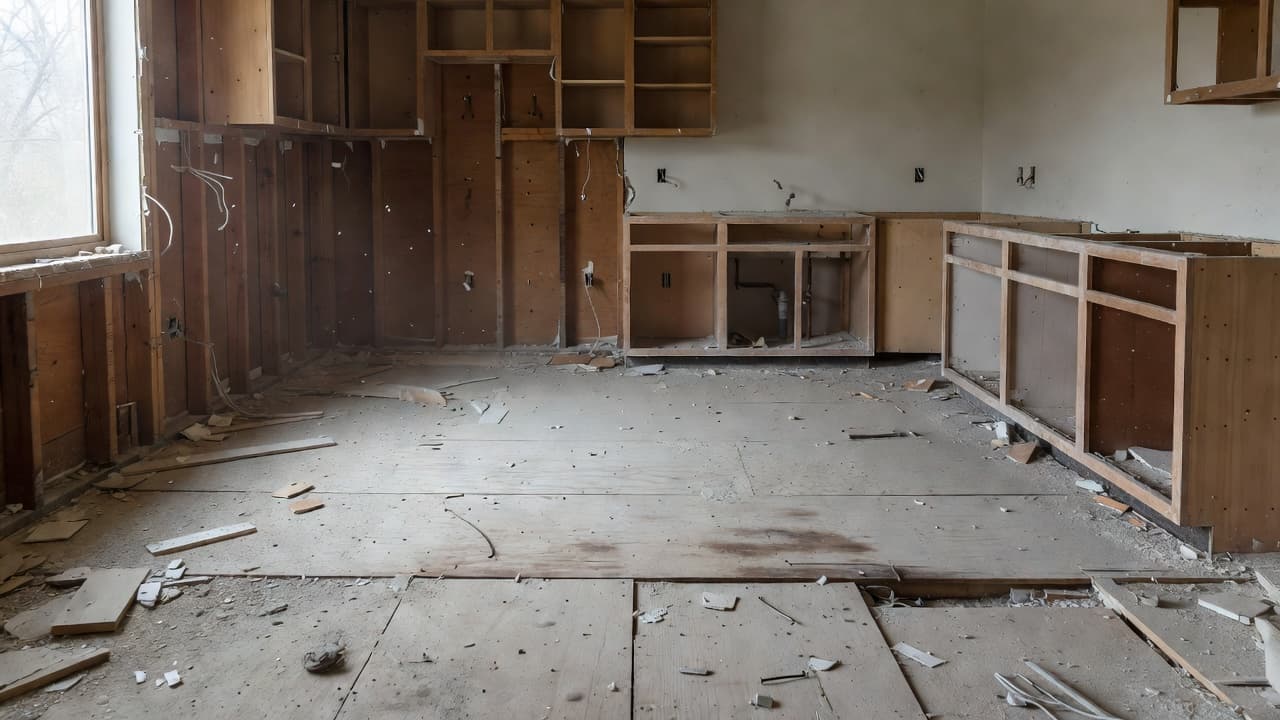
Before demo day, clear out food, small appliances, dishes, and anything fragile. Move valuables out of the work area, and protect nearby rooms if the kitchen opens into a living space. It also helps to set up a temporary kitchen with a microwave, a coffee maker, a toaster oven, and a small fridge if possible. Even a simple setup makes the interruption easier.
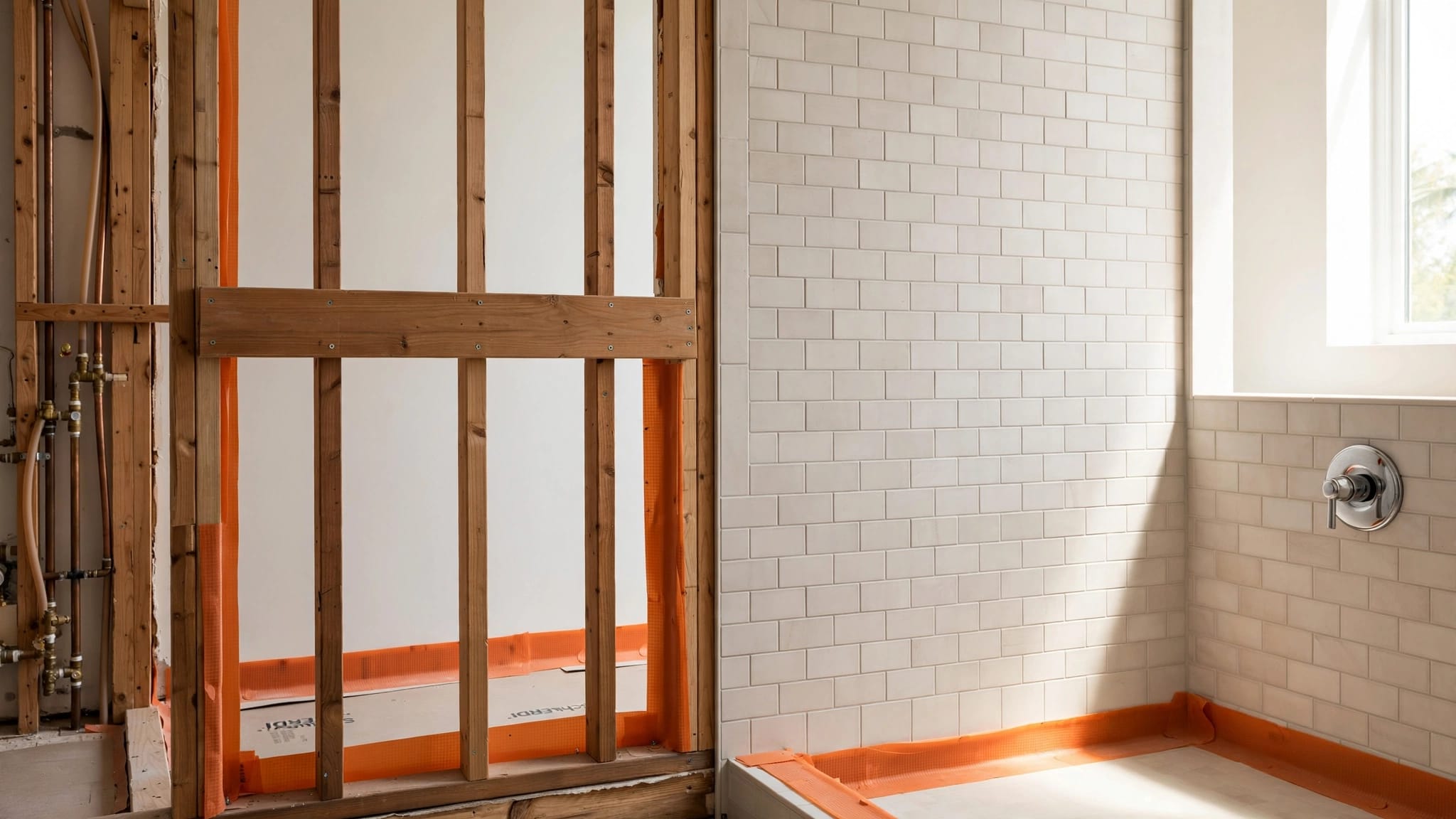
After demo, the crew moves into rough-in work. This is when the hidden systems get updated. Plumbers may relocate lines for a new sink or island. Electricians may add circuits for lighting, outlets, a hood, or new appliances. If walls change, framing work happens next.
This stage can uncover surprises. Older homes sometimes hide water damage, weak subfloors, outdated wiring, or plumbing that no longer matches current code. Those issues do not mean the job is off track, but they can add days while the contractor fixes them and schedules a reinspection.
Communication matters here. Ask for a quick update when each trade finishes its part. That way, you know whether the project is ready for drywall or waiting on inspection.
Cabinets, counters, and finishes need careful coordination
Once rough-in work passes inspection, the remodel starts looking like a kitchen again. Drywall goes up, seams get finished, paint starts to cover the room, and the bigger visual pieces begin to arrive.
Cabinets usually set the pace in this stage. Stock options may arrive sooner, while custom cabinets can take much longer. Either way, installation needs a stable room and accurate measurements. Countertops usually come after cabinet installation, but before the backsplash and final plumbing trim. That means one delay can ripple through the next few steps.
Appliance delivery can also hold up the closeout phase. A refrigerator, range, wall oven, or dishwasher that shows up late can change the schedule. So can a countertop that needs a second template because the cabinetry changed in the field.
This is where humidity control matters again. New finishes need the right conditions, especially paint, caulk, and wood trim. In Cape Coral, contractors often pay close attention to indoor climate during finishing work so the final result looks clean and lasts.
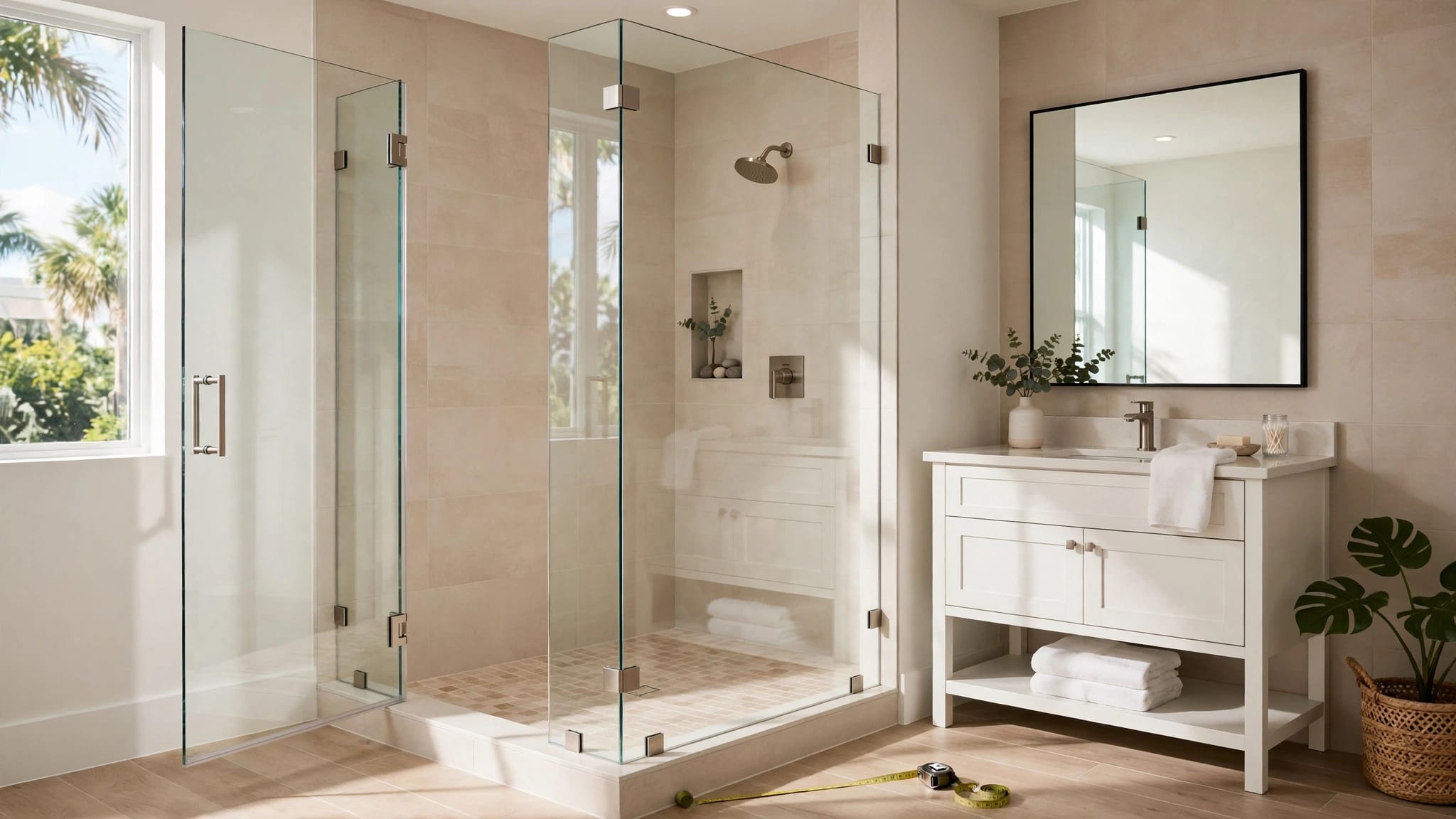
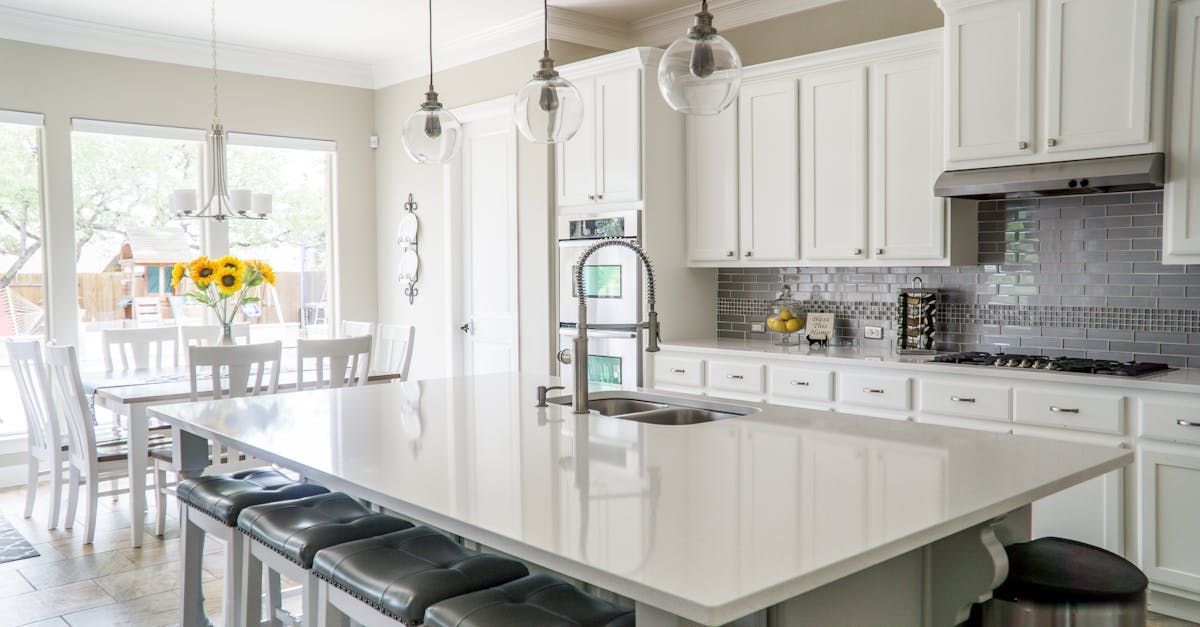
A finished kitchen should feel planned, not rushed. Crisp cabinet reveals, level counters, straight tile lines, and working fixtures all take patience. That final stretch is where coordination shows.
The final walkthrough, punch list, and closeout
The last phase should feel calm compared with demo week. By then, the kitchen has cabinets, counters, sinks, fixtures, hardware, and appliances in place. What remains is the detail work.

Photo by Curtis Adams
During the final walkthrough, walk the room with your contractor and look closely at the finishes. Open every cabinet door. Run each faucet. Test the dishwasher, range, hood, lights, outlets, and disposal. Check paint touch-ups, caulk lines, tile edges, and any gaps around trim or appliances.
A simple punch list often includes items like these:
- A cabinet door that needs alignment
- A drawer that sticks
- A backsplash grout line that needs cleanup
- A paint touch-up near a corner or ceiling line
- A loose handle, switch plate, or trim piece
The best time to catch these issues is before the crew closes out the job. Keep a short note on your phone during the walkthrough so you do not forget small items.
You should also receive care instructions, product manuals, and warranty information. Save those documents in one place. If your remodel includes specialty stone, hardwood, or custom finishes, ask how to clean them without damage. That matters long after the crew leaves.
A final walkthrough is not about finding perfection in a house that just went through construction. It is about making sure the work is complete, the systems operate properly, and the details match the plan you approved.
Conclusion
A kitchen remodel timeline in Cape Coral moves best when planning happens early and communication stays steady. Demo is the dramatic part, but permits, ordering, inspections, and finish work usually take more time than homeowners expect.
If you know what happens in each phase, the process feels less stressful. That makes it easier to prepare the home, spot delays early, and end with a kitchen that works the way you wanted from the start.