
Sanibel Siding Options for Coastal Home Remodels
Salt air, intense sun, wind-driven rain, and storm debris make exterior decisions on Sanibel more demanding than a standard repaint. Your siding must look right for the home, but it also needs to work with the wall assembly behind it.
The strongest Sanibel siding options balance moisture control, corrosion resistance, maintenance needs, and the home's architectural style. A good remodel starts with the wall condition, not a color board.
Coastal exposure should guide every material choice
A siding material can perform well inland and still struggle near the Gulf. On Sanibel, the exterior faces humid air, airborne salt, ultraviolet exposure, heavy rain, and strong winds. Those conditions test every joint, fastener, painted surface, and transition around windows.
Salt air affects more than the siding boards
Salt can collect on exterior surfaces and speed up corrosion when fasteners or flashing are not suited to the location. Fasteners, nail heads, trim connections, vents, and metal accessories need as much attention as the siding itself.
Sun exposure brings another challenge. Dark colors absorb more heat, and some materials expand, fade, or distort more than others. A contractor should discuss the color range approved by the manufacturer, especially for walls that receive direct afternoon sun.
Water needs a planned path out of the wall
Siding is the outer finish, not the home's only defense against water. Wind-driven rain can pass through small gaps at laps, corners, and openings. The layers behind the siding must direct that moisture back outside.
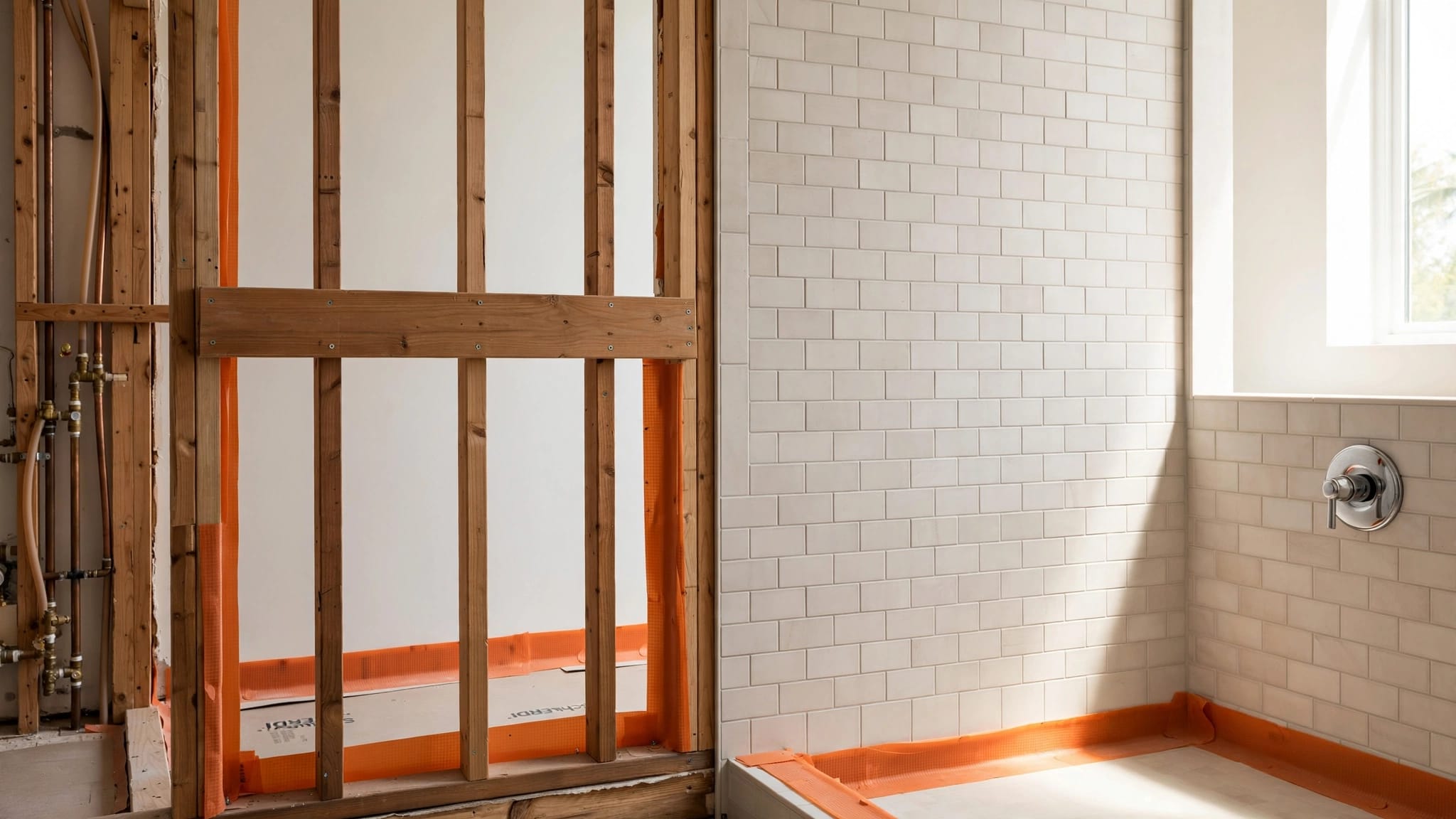
That means inspecting the weather-resistive barrier, sheathing, window flashing, and wall penetrations before new cladding covers them. If water has damaged the wall, new siding alone only hides the problem.
Comparing Sanibel siding options by material
The right choice depends on the home's construction, maintenance preferences, exposure level, and design goals. Among Sanibel siding options , fiber cement is often considered because it suits many coastal remodeling plans. Still, each material has trade-offs.
Fiber cement offers a durable, familiar look
Fiber cement can mimic painted wood lap boards, shingles, board-and-batten panels, or smooth modern cladding. It resists rot and isn't a food source for termites, which makes it appealing in Florida's humid climate.
It also holds paint well when installers follow the product requirements. However, fiber cement is heavy, and improper handling can chip edges or crack boards. Installers must use the manufacturer's fastening pattern, clearances, and flashing details. Cutting also requires careful silica-dust control.
A homeowner should plan for periodic paint maintenance, especially on elevations exposed to strong sun and salt. Fiber cement may be a practical fit when you want a traditional coastal appearance without natural wood's upkeep.
Engineered wood and natural wood need closer upkeep
Engineered wood siding has the warmth and crisp profiles many homeowners want. Many products arrive factory-primed or prefinished, and they are usually lighter to install than fiber cement. Yet their long-term performance relies on intact coatings, sealed field cuts, and properly maintained caulk joints.
Natural cedar and other wood sidings create an unmistakable coastal character. However, wood needs a committed maintenance plan in a humid, salt-air setting. Paint or stain must be renewed before the finish fails, and every exposed end grain needs protection.
Wood can work on sheltered details or distinctive architectural features. It requires more attention than most homeowners expect for full-house cladding.
Vinyl, PVC, composite, and metal siding considerations
These materials offer different advantages, and product quality varies. Review complete system details rather than selecting a product based on a sample board alone.
Vinyl can be low-maintenance, with limits
Vinyl siding doesn't need painting and isn't vulnerable to rot. It can make sense for certain secondary elevations, less exposed areas, or a budget-conscious exterior update.
However, thin vinyl can look flat, and strong sun may cause expansion or distortion. Dark colors and reflected heat from windows or nearby surfaces deserve extra review. Wind can also expose weak installation, particularly if panels are nailed too tightly or not secured to a sound backing.
Choose a profile and thickness that suit the home. More importantly, confirm that the product and installation method are appropriate for local wind requirements.
Cellular PVC, composite, and metal need system-specific details
Cellular PVC cladding and trim resist moisture and insects. The material moves with temperature changes, so installers need correct fastening, joint spacing, and compatible sealants. It can be a strong option for highly exposed trim, but it shouldn't be treated as interchangeable with siding.
Composite siding products vary widely in their makeup and installation requirements. Some offer attractive finished surfaces, while others need repainting or more careful edge treatment. Ask for documentation on coastal exposure, allowable colors, fasteners, and warranty terms.
Aluminum siding is lightweight and won't rot, but salt air can attack damaged coatings and poorly detailed metal connections. It needs thoughtful separation from incompatible metals and close attention to scratches, edges, and flashing.
Siding is different from stucco, trim, and soffits
Exterior remodel conversations often group every wall finish under the word "siding." That shortcut can lead to missed repairs and mismatched details.
Stucco is a wall cladding system
Stucco is not lap siding. It is a layered cladding system that depends on proper water management, reinforcement, control joints, and finish coatings. Cracks may be cosmetic, but they can also point to movement or moisture concerns.
Don't cover deteriorated stucco with new siding without investigating the wall first. A contractor should evaluate the substrate, openings, and drainage details. In some remodels, repairing the stucco is the sounder approach. In others, a redesigned wall assembly may make sense.
Trim and soffits protect vulnerable edges
Trim frames windows, doors, corners, fascia, and other transitions. Soffits close the underside of roof overhangs and often support attic ventilation. Neither replaces siding, yet both can decide whether an exterior remains dry and well-finished.
PVC trim, fiber-cement trim, wood trim, and metal wraps all behave differently. Their expansion, paint requirements, fasteners, and sealant joints must match the surrounding materials. A clean-looking corner means little if water can enter behind it.
Proper installation matters as much as the siding itself
Even durable cladding can fail early when installers skip preparation. Before choosing a finish, have the contractor inspect the sheathing, framing, existing flashing, and wall openings. A remodel may uncover damage around windows, doors, hose bibs, electrical boxes, or roof-to-wall intersections.
A siding face can look perfect while failed flashing behind it allows water to reach the wall sheathing.
Build drainage and flashing into the scope
A written scope should identify the weather-resistive barrier, flashing tape, head flashing, corner details, and transitions between siding and roofing. It should also explain how the crew will address kick-out flashing where a roof edge directs water toward a wall.
Some siding systems need a drainage gap or rainscreen detail behind the cladding. Others have their own approved installation methods. The product instructions and local code requirements should guide the final approach.
Fasteners, caulk, and details deserve close review
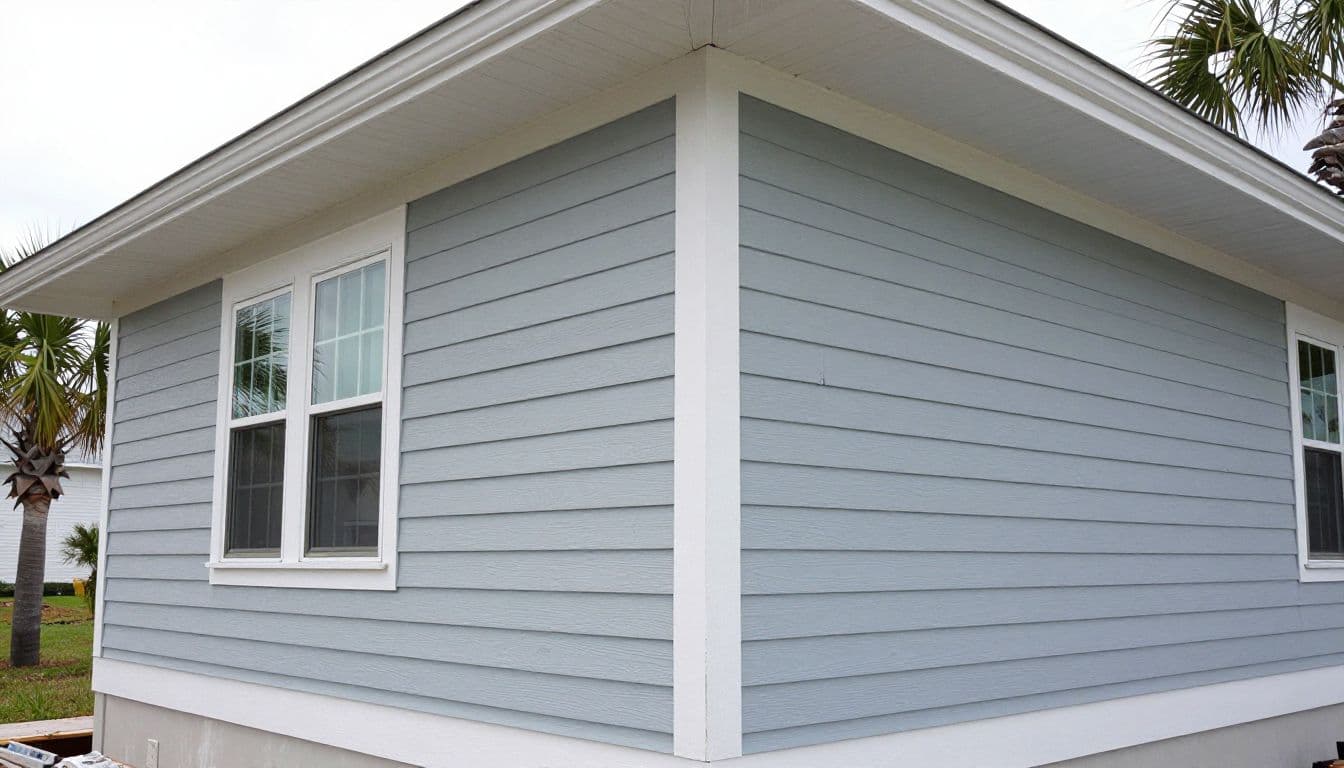
Coastal work calls for fasteners and accessories that match the product and exposure conditions. A contractor should specify corrosion-resistant nails, screws, flashings, and connectors rather than leaving those choices vague.
Caulk is important, but it is not a substitute for flashing. Sealant joints need compatible materials, correct joint sizes, and regular inspection. Paintable caulk that splits after a season can invite water behind the cladding.
Ask how the crew will protect landscaping, manage debris, and keep wall openings dry if the project takes several days. Those practical details affect the home as much as the finished facade.
Match the siding plan to the whole remodel
A siding project often reveals nearby work that should be coordinated at the same time. Replacing windows, adjusting rooflines, upgrading exterior doors, repairing fascia, or changing porch details after new siding goes up can create unnecessary rework.
For a broad renovation that touches several exterior and interior areas, whole-home remodeling services can help organize the work into a single plan. The material choice should fit the home's proportions, window style, roof color, and maintenance expectations.
Start with the home's existing condition
Older homes may have hidden moisture damage, outdated wall layers, or previous repairs that complicate installation. A qualified contractor should investigate those issues before presenting a final scope.
If the home has a history of water intrusion, ask for repair recommendations in writing. Photos of removed materials and damaged areas can make the decisions easier to understand.
Select a look you can maintain
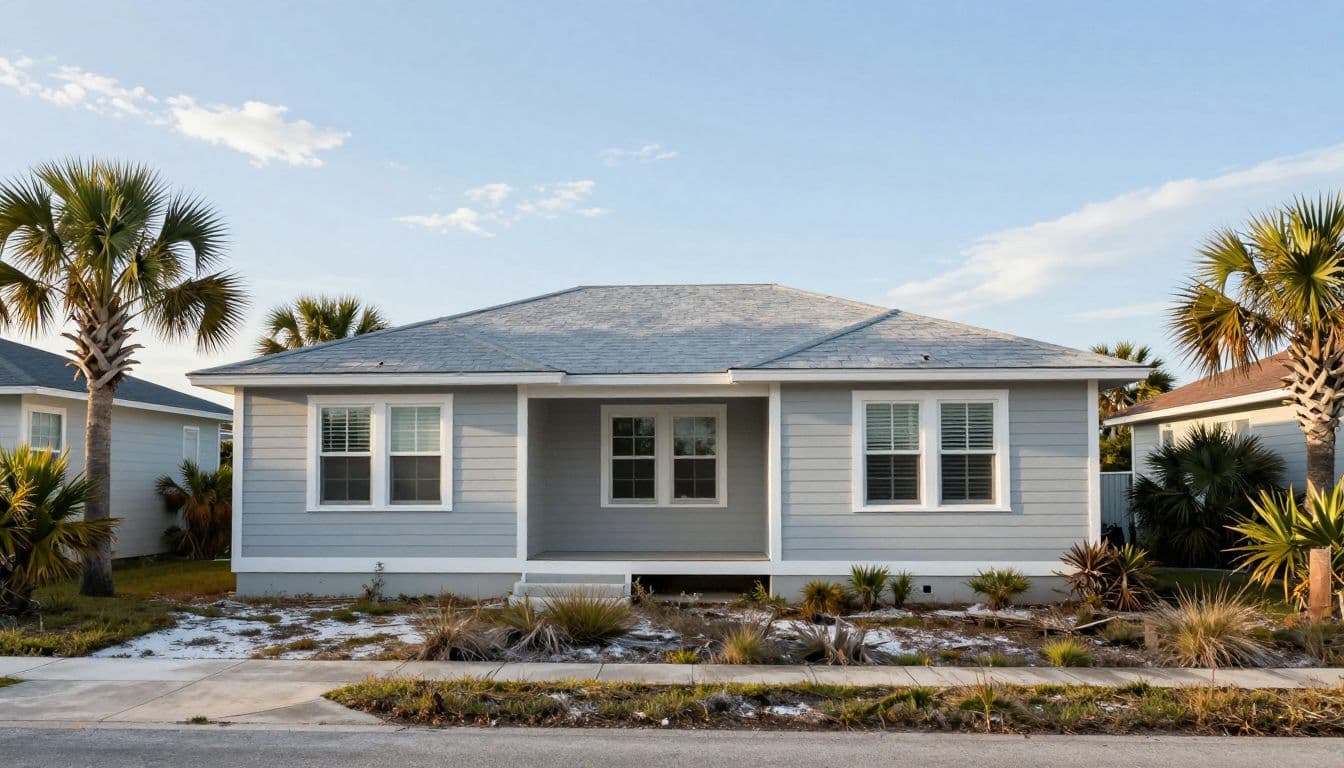
White trim, soft grays, warm sands, and muted blues often suit Sanibel homes because they work with bright coastal light. Still, the paint system and material movement matter more than a color trend.
The best Sanibel siding options are the ones you can maintain on schedule and repair with matching materials when needed. A lower-maintenance choice may be worth more than a finish that demands frequent attention.
Final questions for your remodeling contractor
A coastal exterior remodel should leave you with more than attractive siding. It should improve the way the wall manages water, heat, wind, and everyday wear.
Before approving the work, ask a qualified local contractor:
- Which siding materials fit my home's exposure, wall construction, and desired maintenance level?
- What repairs do you expect after removing the existing exterior finish?
- How will you flash windows, doors, roof intersections, and wall penetrations?
- Which corrosion-resistant fasteners and accessories will the crew use?
- Does the chosen product need a drainage gap, special clearances, or approved sealants?
- How will the siding, trim, soffits, and stucco areas meet without creating weak points?