

Punta Gorda Roof Replacement Planning for Coastal Remodels
A new roof can protect your home, but it also affects nearly every major remodeling decision below it. For Punta Gorda homeowners, Punta Gorda roof replacement planning needs to account for hurricane winds, salt air, intense sun, heavy rain, and local flood rules.
When the roof, kitchen, bathrooms, windows, or exterior are all due for updates, treating each project separately can create avoidable cost and disruption. A coordinated plan helps you protect the structure first, then finish the spaces that make your home more comfortable.
Start a Punta Gorda Roof Replacement Before Interior Work
A roof replacement should usually come before major interior finishes. Water intrusion from a failing roof can damage fresh drywall, cabinetry, flooring, insulation, and electrical work. If storm repairs are part of the scope, the roof also needs a careful inspection before anyone closes walls or installs new finishes.
Identify the roof's current condition
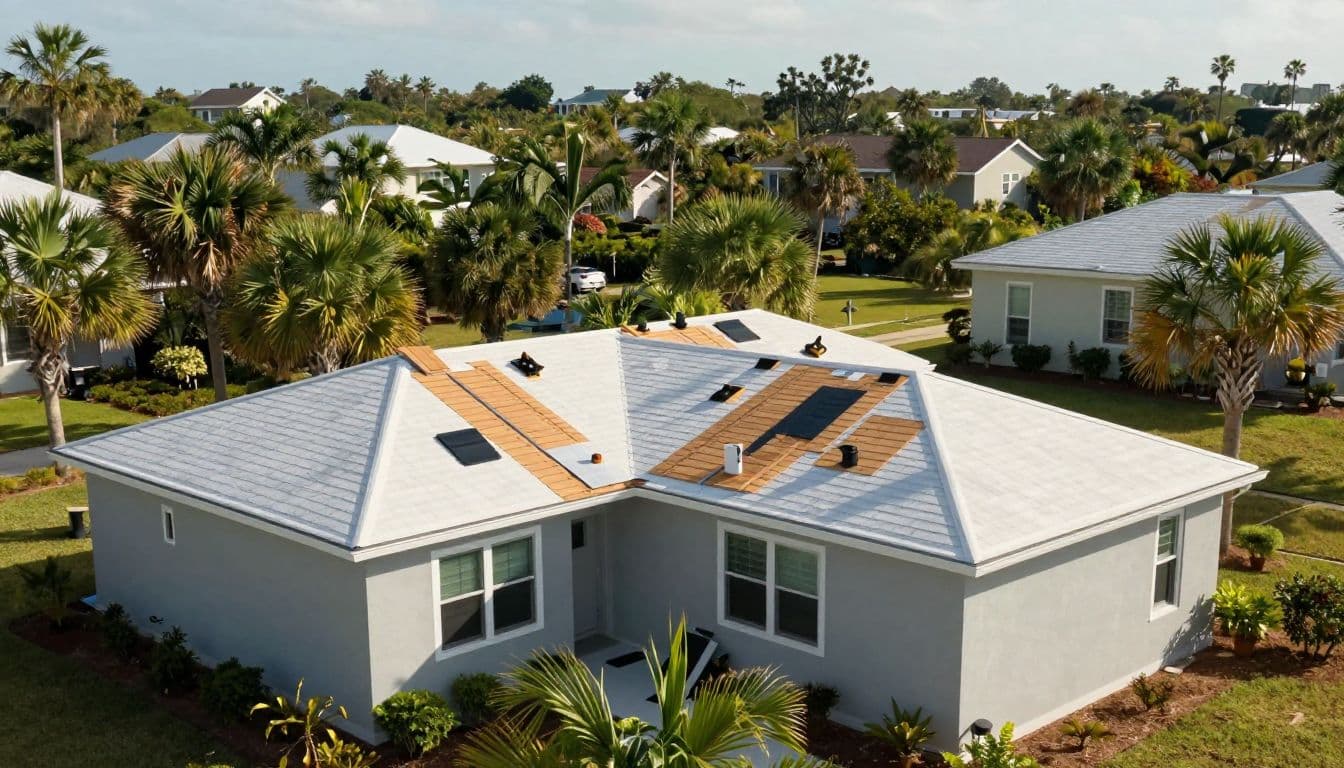
Ask a qualified, licensed roofing professional to inspect more than the visible shingles or tiles. The review should include roof decking, flashing, penetrations, soffits, gutters, trusses, and signs of water at the attic framing.
A roof can look acceptable from the street while hidden decking has softened near valleys, skylights, vents, or wall intersections. Salt air can also corrode fasteners and flashing before the roof covering itself appears worn.
Set the right project order
Exterior work should protect the building before interior materials arrive. Roofing, exterior repairs, window work, and drainage changes often need to happen before a kitchen or bathroom remodel.
For a whole-home project, contractors should coordinate material deliveries, access paths, debris removal, and temporary weather protection. That sequence protects your investment and limits the chance that one trade damages another's completed work.
Coastal Exposure Changes Roof Decisions
Punta Gorda homes face conditions that inland homes may not experience as often. High heat, ultraviolet exposure, wind-driven rain, tropical storms, and salty moisture each put pressure on a roof system.
The roof covering matters, but the components below and around it matter just as much. A durable roof assembly depends on correct attachment, flashing, ventilation, underlayment, and drainage details.
Salt air attacks exposed metal
Metal flashings, fasteners, vents, drip edges, and straps can corrode in coastal conditions. Corrosion may weaken a small component that controls a large amount of water.
Ask what metal type, coating, and fastener system the contractor plans to use. Materials should be compatible with one another. For example, dissimilar metals can corrode faster when they contact each other in a wet environment.
Rain finds weak transitions
Heavy Florida rain tests roof valleys, chimney intersections, wall flashing, vent boots, and low-slope connections. Water rarely enters through the middle of an intact roof field. It usually finds a transition or penetration.
A roof's most important waterproofing details are often at its edges, seams, and openings, not in the broad visible sections.
During planning, have the contractor identify every roof-to-wall intersection and penetration. Those details deserve clear product specifications and inspection attention.
Choose Materials for Salt Air and Storm Exposure
The right roofing material depends on roof pitch, architectural style, budget, structural capacity, maintenance preferences, and local code requirements. It should also suit the home's overall remodel design.
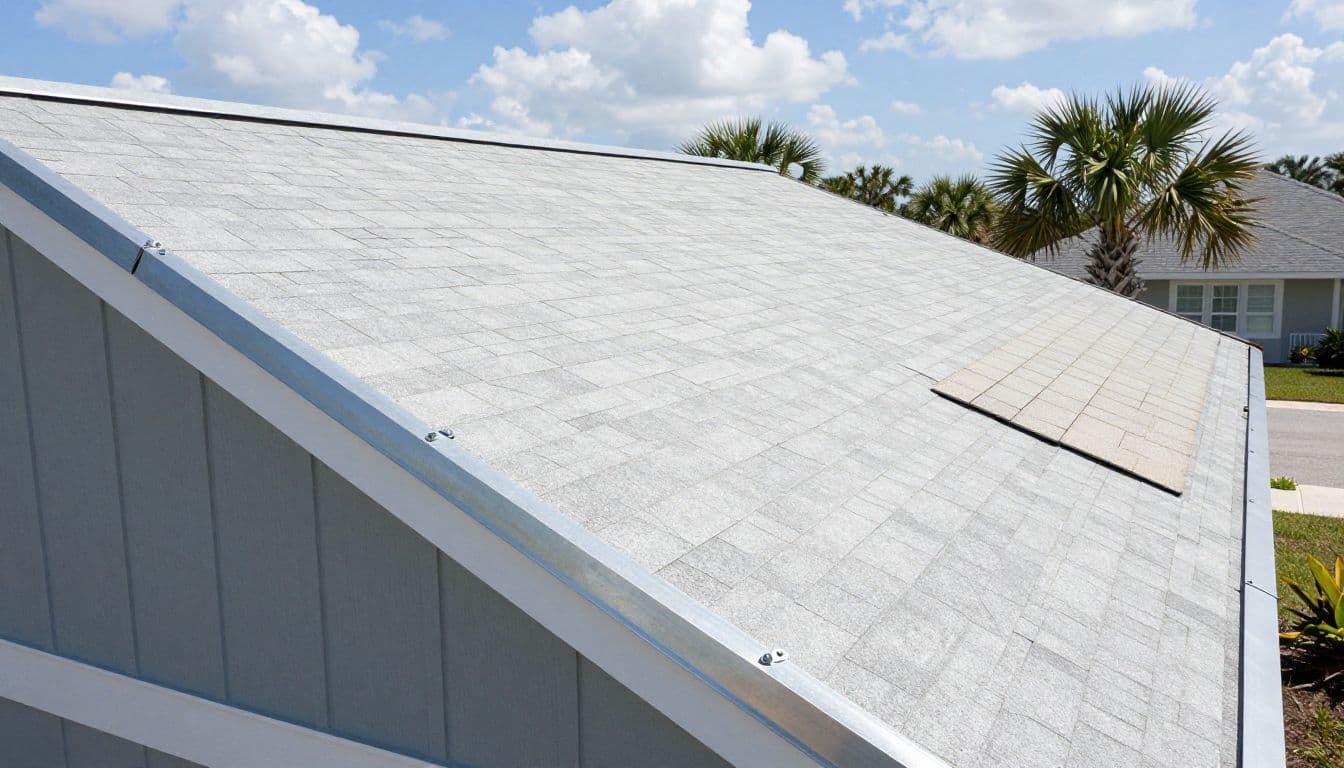
Compare the common roof-covering options
Asphalt shingles remain common because they work on many roof shapes and offer a wide range of colors. In Charlotte County's permit guidance, asphalt shingles must meet specified wind-resistance standards, such as ASTM D 3161 Class F, TAS 107, or ASTM D 7158 Class H.
Concrete or clay tile can suit many Florida homes, yet tile adds significant weight. Before selecting it, confirm that the roof framing and structure can support the chosen product. Tile installation also relies on precise attachment and flashing details.
Standing-seam metal roofs shed water well and can last for many years, but coastal installations require careful attention to metal finish, fasteners, clips, and contact points. A low-quality fastener choice can shorten the life of an otherwise strong roof.
Match the roof to the home's design
A roof remodel can change fascia, soffit, gutters, exterior paint, lighting, and front-entry details. Select samples outdoors, preferably at different times of day. Florida sunlight can make a color look far lighter and warmer than it appears inside a showroom.
If you are also changing the floor plan or exterior elevations, roof lines need early architectural coordination. A qualified design and construction team can align roof geometry with additions, lanai enclosures, and new exterior openings before construction begins.
Build a Stronger Roof Assembly
A roof replacement is a chance to inspect and improve the system under the finished surface. Some upgrades may be code-driven, while others depend on the home's age, construction, insurer, and project budget.
Florida law identifies several roof-related wind mitigation improvements, including better roof-deck attachment, secondary water barriers, wind-resistant shingles, gable-end bracing, and stronger roof-to-wall connections. Verify which measures apply to your house with licensed professionals and your local building department.
Look below the roof covering
Once the old material comes off, the contractor can inspect decking for rot, delamination, loose sections, and improper fastening. Any damaged decking should be repaired before underlayment goes down.
A secondary water barrier can help reduce water entry if wind damages the roof covering. It does not replace proper installation, but it can provide another layer of protection during severe weather.
Check roof-to-wall connections
Hurricane winds can create uplift forces that pull on the roof structure. Roof-to-wall connections, often called clips or straps, help transfer those forces into the walls.
The scope and cost of retrofit work vary widely. Florida's reroofing rules may require connection improvements under certain circumstances, subject to statutory limits. Confirm the current requirements based on the property's insured value or just valuation, the existing construction, and the local permitting review.
Permits, Product Approvals, and Inspections
Permit rules depend on the property location. A home within Punta Gorda city limits follows the City of Punta Gorda process. A home in unincorporated Charlotte County follows the county's Building Construction Services process.
The City of Punta Gorda lists a Roof Permit Application, Re-roofing Affidavit, and Re-Roof Inspection Guidelines among its building forms. Charlotte County's residential roof process covers replacing, repairing, or re-covering an existing residential roof.
Verify the authority before signing a contract
Do not assume a Punta Gorda mailing address identifies the permitting authority. Confirm the parcel's jurisdiction before work starts, then check the current application requirements, fees, inspection steps, and submittal process.
Charlotte County states that roof repairs under 100 square feet may not need a permit when no truss or rafter repair is involved. Larger repairs and structural work generally require a permit. Requirements can change, so confirm the details before scheduling work.
Prepare a complete permit package
A roofing permit package may require product approvals, roof diagrams, contractor license information, an affidavit, and related documents. Charlotte County directs applicants to provide complete material product numbers, including digits after decimal points.
For projects with a direct contract price above $5,000, Charlotte County states that a recorded Notice of Commencement is required before the first inspection is scheduled. Your contractor, title professional, or permitting office can confirm the current filing process.
Flood Zones Can Affect a Larger Remodel
Flood exposure affects more than flooring and drywall. If your roof replacement is part of a larger renovation, the combined project cost can trigger floodplain review for homes in FEMA-designated high-risk flood zones.
Charlotte County's 50% FEMA Rule addresses substantial improvement and substantial damage. When the cost of work reaches or exceeds 50% of a structure's market value, the building may need upgrades to meet current flood requirements, which can include elevation-related standards.
Price the full scope, not only the roof
A reroof may feel separate from a bathroom update, room addition, new windows, or storm-damage repair. Floodplain review may consider the broader improvement scope, including related work completed within the applicable period.
Contact Charlotte County floodplain staff early if your home is in a high-risk flood zone. They may request a detailed cost breakdown and supporting affidavit. Starting this review after materials are ordered can delay the project.
Keep records of existing conditions
Photograph the home's exterior and interior before demolition, especially if it has prior storm or water damage. Save estimates, invoices, permits, inspection records, and damage documentation in one folder.
This paperwork can help clarify the condition of the property, support permit review, and give your insurer a clearer record of the completed work. Confirm flood-zone status and current rules for your specific parcel, because map designations and administrative requirements can change.
Coordinate the Roof With the Rest of the Remodel
A roof isn't an isolated shell over the home. It meets the attic, exterior walls, air-conditioning penetrations, solar equipment, gutters, and sometimes a new addition. Good coordination prevents expensive rework.

If your project includes interior updates after storm damage, schedule roof work before rebuilding affected rooms. Whole-home remodeling services can help coordinate exterior repairs, room updates, and long-term design decisions as one organized project.
Plan ventilation and attic access
An attic needs appropriate ventilation and insulation details. A roof replacement may expose blocked vents, damaged ductwork, inadequate insulation, or unsealed penetrations around pipes and wiring.
Discuss the home's current ventilation approach before work begins. Adding or moving vents without a plan can create moisture problems or conflict with the roof's wind-resistance design.
Include gutters and water management
Gutters, downspouts, grading, and drainage paths deserve attention during a coastal home remodel. They should move roof runoff away from walls, foundations, entries, and walkways.
Downspouts should discharge where water will not pond against the house or wash out landscaping. If you are rebuilding patios, driveways, or pool-deck areas, coordinate elevations and drainage routes before those surfaces are finished.
Review Bids Beyond the Roof Price
Two roof proposals can look similar at first glance but cover very different work. A low number may omit decking repairs, flashing replacement, permit handling, disposal, underlayment upgrades, or final cleanup.
Request written scope details from licensed contractors. Review the documents slowly, especially after a storm, when rushed decisions can lead to misunderstandings.
Ask for these details in writing
Use this short checklist when comparing roof replacement proposals:
- Confirm the exact roof-covering product, color, manufacturer, and product-approval information.
- Ask how the contractor will handle damaged decking, rotten fascia, flashing, vents, and concealed conditions.
- Verify who obtains the permit, schedules inspections, records the Notice of Commencement when required, and closes the permit.
- Request the installation warranty and manufacturer warranty terms in writing.
- Confirm liability insurance, workers' compensation coverage, and the contractor's current Florida license status.
Make room for hidden repairs
Decking and framing conditions cannot always be confirmed until old materials come off. Your contract should explain how the contractor documents hidden damage, prices authorized repairs, and gets your approval before proceeding.
Avoid signing a blank or incomplete contract. A clear scope, payment schedule, change-order process, and projected sequence set better expectations for both sides.
Protect Insurance Options and Project Records
Florida insurers may consider roof age, roof shape, opening protection, roof-deck attachment, and roof-to-wall connections. However, each insurer uses its own underwriting standards and documentation process.
Speak with your insurer before construction. Ask which roof documents it needs, whether it requires a wind mitigation inspection, and whether any specific products or features affect coverage or discounts.
Save documents that prove the work
Keep copies of the signed contract, permit, inspection approvals, final paid invoice, roofing warranty, product approvals, and photographs of the work in progress. Photos should show decking, underlayment, fasteners, flashing, and completed roof areas when possible.
A current wind mitigation inspection may use Florida's OIR-B1-1802 form. Your insurer or a qualified inspector can confirm the current form, inspection criteria, and photo requirements.
Check storm-season timing
Roofing can take place during Florida's rainy season, but weather planning matters. Discuss how the contractor protects exposed areas at the end of each workday and what happens if forecasts change.
No contractor can control a tropical system. Still, a clear plan for temporary dry-in materials, debris control, and rapid communication reduces uncertainty when weather interrupts the schedule.
Final Inspections and a Clean Closeout
The last shingle is not the last step. Before final payment, confirm that required inspections have passed and the permit can be closed. An open permit can complicate a later sale, refinance, or insurance review.
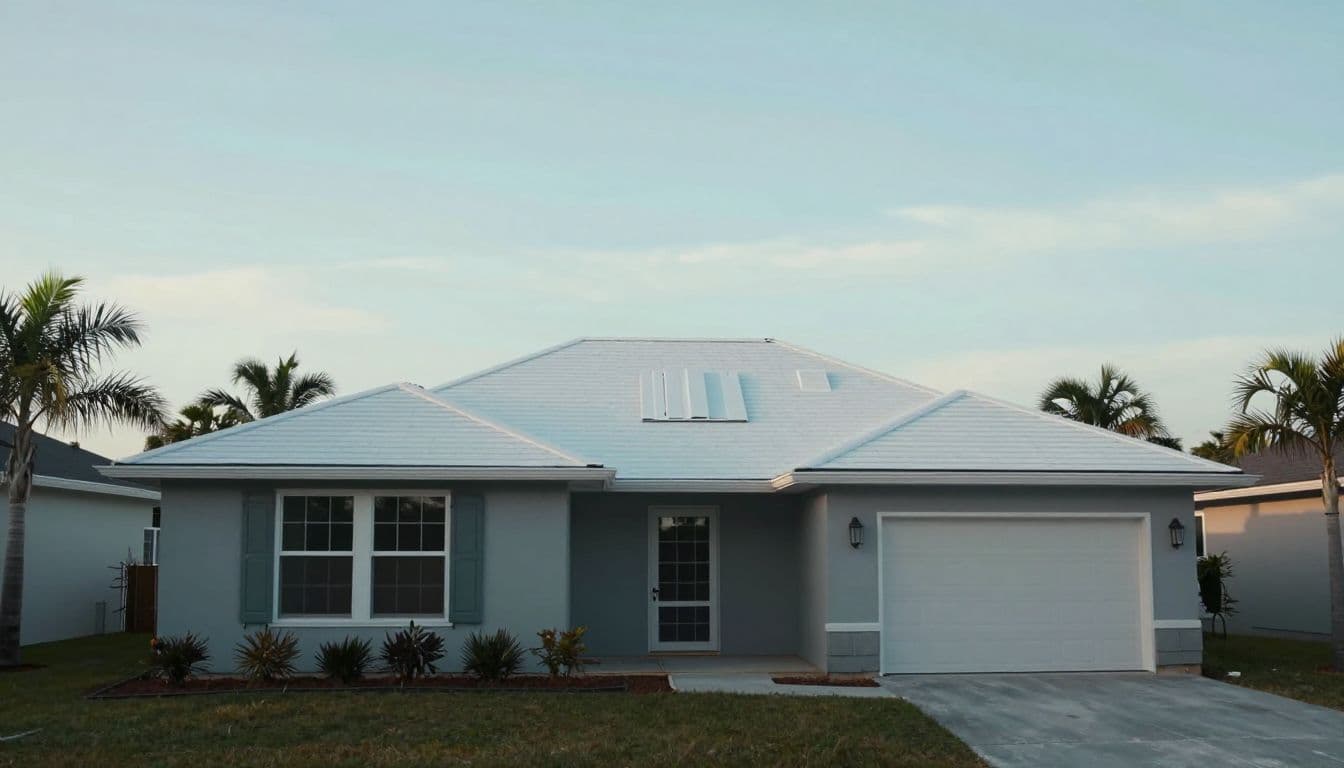
Walk around the home with the contractor in daylight. Look for loose materials, damaged landscaping, unfinished flashing, debris in gutters, nail cleanup concerns, and unsealed penetrations. Inside, check ceilings and attic access areas for signs of new moisture.
Ask for final warranty documents and confirm the contractor's process for warranty questions. Store every closeout record with your insurance and property files.
A Roof Plan That Supports the Entire Home
A well-planned Punta Gorda roof replacement protects more than the rooms below it. It gives your broader remodel a dry, code-conscious starting point and helps you make lasting decisions about ventilation, drainage, exterior finishes, and storm preparation.
Coastal conditions demand close attention to details that are easy to miss from the ground. Verify current requirements with the City of Punta Gorda or Charlotte County, your insurer, and qualified licensed professionals before work begins. A careful plan now helps your remodeled home stay protected through the next season of heat, rain, and wind.