

Sanibel Flood Zone Remodeling Requirements in 2026
A new kitchen can trigger a floodplain review when the project cost reaches the wrong percentage of your home's value. That is why Sanibel flood zone remodeling requires more than choosing finishes and hiring a contractor.
Your requirements can change based on the property's flood zone, location, building age, existing elevation certificate, project scope, and whether the work qualifies as substantial improvement or substantial damage. Use this article for planning, then confirm the current rules with the City of Sanibel, Lee County, FEMA, and qualified local professionals.
Sanibel flood zone remodeling starts with the property
Before you price cabinets, tile, or an addition, identify the conditions that control the permit review. A home near the water may have different requirements than another Sanibel property a short distance away.
Confirm the jurisdiction, flood zone, and elevation
Start with the property's current flood zone and base flood elevation, often called the BFE. The required finished-floor elevation, freeboard, foundation design, and treatment of lower areas depend on those details.
The City of Sanibel's Building Division and floodplain staff can confirm the requirements for a specific parcel. FEMA flood maps are useful references, but homeowners shouldn't rely on an old map, a real estate listing, or a neighbor's project as proof that their home has the same requirements.
Lee County's 2026 flood materials refer to current flood zone, BFE, and freeboard requirements. Freeboard is the additional elevation required above the base flood level. The amount and application depend on the property and applicable regulations.
Gather the home's existing records
Find any elevation certificate, survey, prior permits, inspection records, site plans, and documentation from earlier storm repairs. An existing certificate may help, but the city must confirm whether it is current and acceptable for your proposed work.
Building age also matters. Older homes may have incomplete records or construction that doesn't match current floodplain standards. That doesn't automatically prevent remodeling, but it can affect the documents, design work, and upgrades required for approval.
Lee County's Detailed Cost Breakdown package was updated July 13, 2026. Its flood instruction materials, including a page dated August 17, 2026, reinforce the need to evaluate current compliance rather than relying only on the home's original construction.
Understand the 50% substantial improvement rule
The 50% rule is the central issue in many Sanibel flood zone remodeling projects. City of Sanibel materials and Lee County guidance define substantial improvement as work costing 50% or more of the structure's market value before construction begins .
The calculation applies to the structure, not the land. Ask the local floodplain official what valuation documents and cost breakdown they will accept before you finalize the design.
Substantial improvement includes more than structural work
FEMA's definition covers reconstruction, rehabilitation, additions, and other improvements. As a result, an interior renovation can count even when it doesn't change the home's footprint.
A large kitchen renovation, bathroom rebuild, flooring replacement, electrical work, or whole-home update may contribute to the calculation. The project label doesn't control the review. The total cost and scope do.
Several permits or phases may also receive combined review. A homeowner can't assume that dividing one large renovation into smaller permits will keep the work below the threshold. Confirm how the City of Sanibel will treat previous and proposed work on your property.
Substantial damage applies after more than flooding
Substantial damage means the cost to restore a damaged structure to its pre-damage condition equals or exceeds 50% of the structure's pre-damage market value, excluding land.
FEMA applies this rule to damage from any cause, including flood, wind, fire, and other events. It also applies whether or not the homeowner carries flood insurance.
When a project meets the threshold, the structure generally must meet current floodplain standards. Depending on the property and building type, that can affect the lowest floor, foundation, utilities, enclosures, and other components.
How kitchens, bathrooms, additions, and enclosures are reviewed
A room renovation isn't automatically exempt because the work occurs inside the house. During Sanibel flood zone remodeling, the permitting office may consider the full cost of labor, materials, fixtures, trade work, and related improvements.
Kitchens and bathrooms can add up quickly
Kitchen costs may include cabinets, countertops, appliances, flooring, plumbing changes, lighting, electrical service, ventilation, and wall repairs. Bathroom costs can include new fixtures, waterproofing, tile, plumbing, ventilation, electrical work, and accessibility changes.
Each item may appear manageable on its own. Together, however, they can push a project toward the 50% threshold. Ask for a detailed estimate that separates the work clearly.
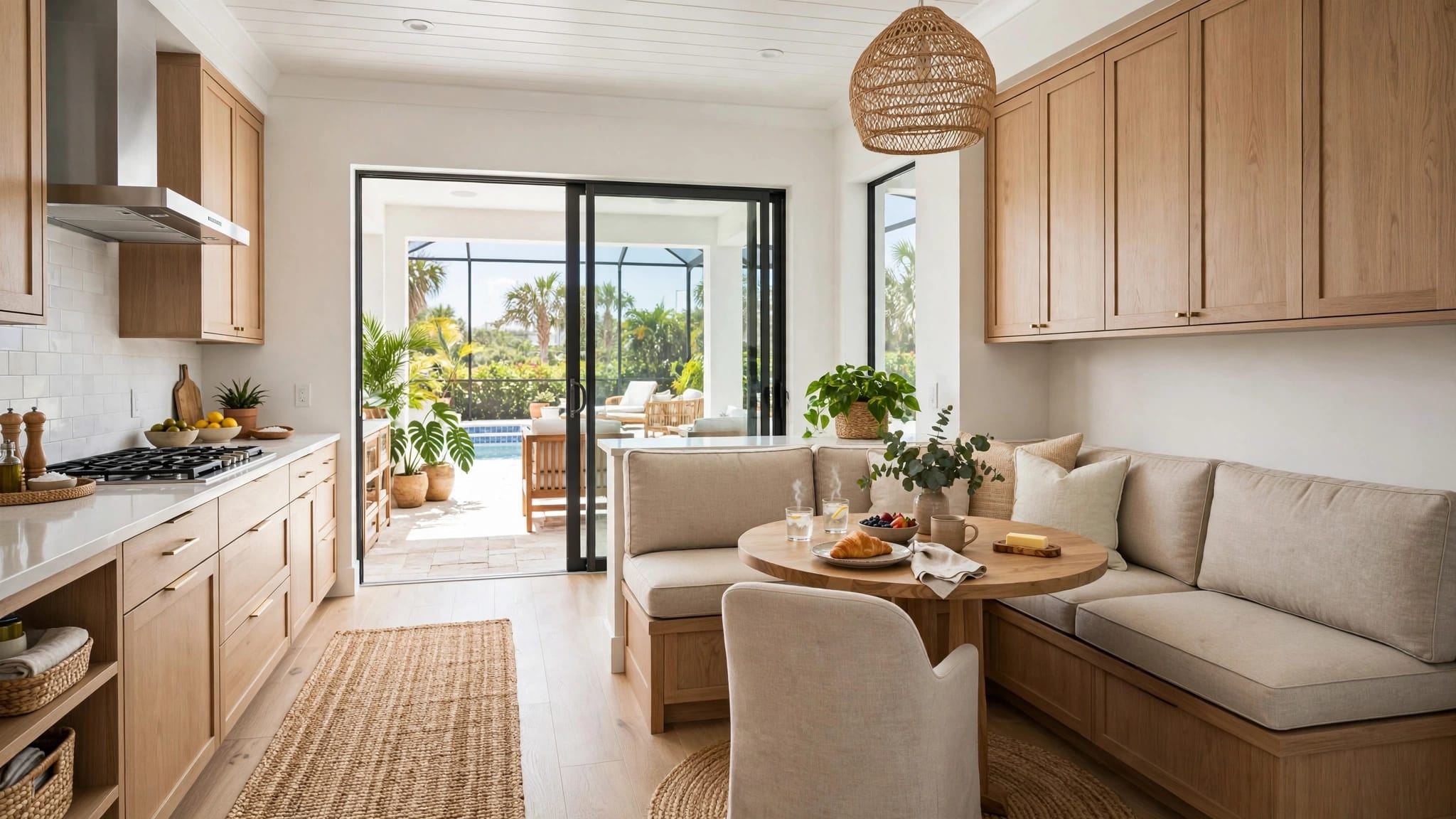
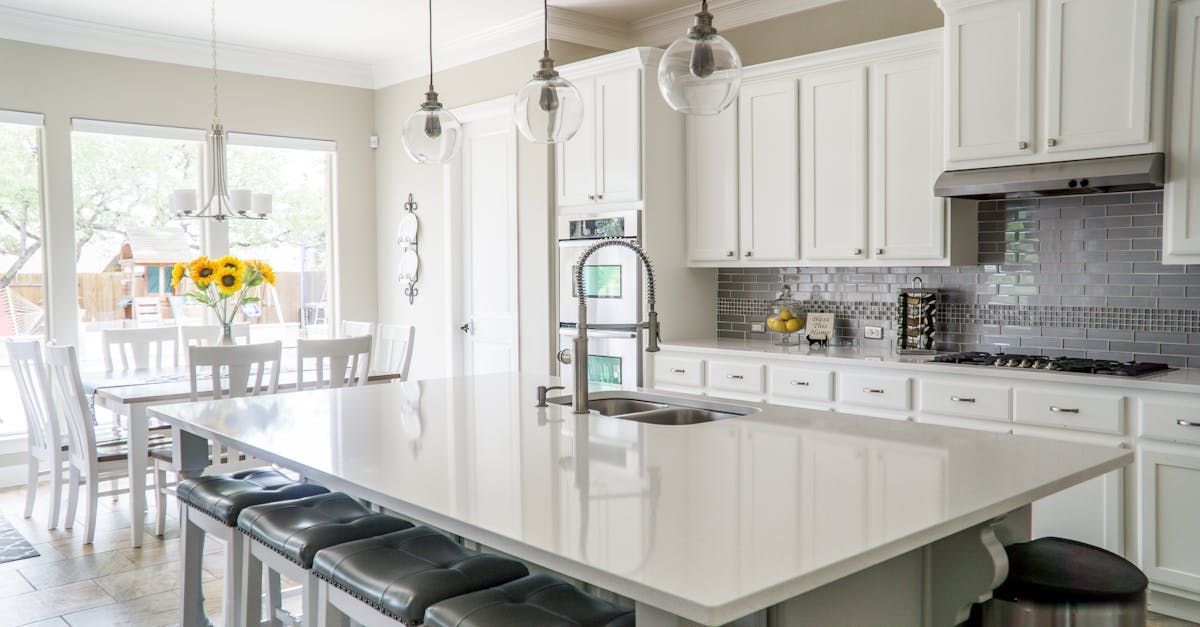
Reviewing examples of custom kitchen renovations can help you compare the design scope, trade work, and finish selections that belong in a complete estimate. For bathrooms, looking at previous bathroom remodeling projects can help you identify plumbing and ventilation work that homeowners sometimes overlook.
Additions and lower enclosures need early review
An addition is an improvement under FEMA's definition, and it can create separate floodplain questions involving the building footprint, finished-floor elevation, setbacks, structural connections, and drainage.
Lower-level enclosures require even closer review. The city may need to evaluate whether the area is open or enclosed, how floodwater can move through it, whether flood vents or breakaway walls apply, and what uses are allowed below the required elevation.
Don't assume an existing garage, storage area, porch enclosure, or ground-level room can remain unchanged when the rest of the home crosses the substantial improvement threshold. The exact rules depend on the flood zone and structure type.
Plan HVAC, electrical, roofs, and foundations together
Systems and structural components can affect both the cost calculation and the floodplain design. Discuss their location before architectural plans and construction estimates are complete.
HVAC and electrical equipment may need relocation
Ask how the rules apply to the HVAC compressor, air handler, water heater, electrical panel, outlets, generator, pool equipment, and other utilities. Depending on the flood zone and construction type, equipment may need to be elevated, relocated, protected, or detailed in another approved manner.
Raising one appliance isn't enough if other critical systems remain below the required level. A licensed electrician, mechanical contractor, and design professional familiar with local flood requirements can coordinate these decisions with the permit plan.
Roof and foundation work can affect the review
A roof replacement may count toward the 50% calculation, particularly when it forms part of a broader repair or improvement project. Major roof work can also involve structural connections, decking, drainage, and wind-code requirements.
Foundation repairs or replacement are more direct floodplain concerns. If the substantial improvement or damage threshold is met, the foundation design may need to support current elevation requirements and maintain the required relationship between the lowest floor and the BFE.
For a large scope, compare contractors that handle home additions and renovations with structural and permit coordination included in the planning process.
Post-storm repairs require documentation early
Storm damage creates pressure to restore the home quickly. Still, starting repairs before understanding the damage assessment can create expensive problems.
Ask about substantial damage before rebuilding
The City of Sanibel or another applicable authority may need to review the damage and determine whether the cost to restore the home reaches the 50% threshold. Lee County's January 22, 2026 guidance addresses building damage assessments, permits, and inspections.
Take photographs, preserve repair estimates, and keep records of damaged components. Ask whether a damage assessment is required before demolition, reconstruction, or a repair permit. An insurance estimate may help document the work, but it doesn't replace the local floodplain determination.
The word "repair" doesn't automatically remove the project from floodplain review. FEMA's substantial damage rule covers restoration to the pre-damage condition, even when the homeowner doesn't plan an addition or remodel.
Wind damage can trigger the same analysis
A hurricane-related roof loss, wind-damaged walls, fire, or flood damage may all qualify as substantial damage if the repair cost reaches the threshold. The cause changes the type of work, but not necessarily the 50% test.
When the threshold is met, the home may need current floodplain upgrades as part of the recovery. That can change the budget, timeline, floor elevation, utilities, and foundation work. Get the determination before committing to a reconstruction plan.
Follow a practical permitting process
Sanibel homeowners can reduce surprises by handling floodplain questions before submitting a full permit package.
Before design and pricing
Begin with the property address, current flood zone, BFE, freeboard requirements, existing elevation documentation, and prior permits. Then prepare a written description of every proposed improvement, including room renovations, structural work, equipment, roof work, and exterior changes.
Next, ask the City of Sanibel Building Division or floodplain staff:
- Which permits and reviews apply to the project?
- Will the city require an elevation certificate, survey, or post-construction elevation documentation?
- How will the city calculate structure value and project cost?
- Will previous permits, phased work, or storm repairs be combined?
- What current rules apply to the lowest floor, enclosures, utilities, foundation, and finished elevation?
Lee County Department of Community Development and FEMA materials can provide useful background, but the parcel-specific decision comes through the applicable local permitting process.
During plan preparation and construction
Have the contractor and design professionals coordinate the floodplain requirements with architectural, structural, electrical, mechanical, and plumbing plans. The permit set may need engineered details, elevation information, equipment locations, foundation drawings, and a detailed cost breakdown.
Don't start work based on a contractor's verbal assumption that a permit isn't needed. Don't move equipment or close in a lower area without confirming the approved design. Changes made after permit issuance can affect both compliance and the 50% calculation.
At inspections and closeout
Schedule required inspections and keep approved plans available on site. Ask whether the city needs revised elevation documentation, photographs, certifications, or other records before final approval.
A project isn't complete when the last cabinet is installed. It is complete when the required inspections, corrections, and floodplain documentation are accepted.
Common mistakes Sanibel homeowners should avoid
Several planning errors appear repeatedly in flood-zone renovations:
- Using the property's sale price, tax value, or total real estate value without confirming how the structure-only market value will be determined.
- Treating a kitchen, bathroom, roof, or interior renovation as exempt because the work doesn't expand the home's footprint.
- Assuming an old elevation certificate automatically satisfies current requirements.
- Starting post-storm repairs before asking whether the damage qualifies as substantial damage.
- Dividing a large renovation into phases without confirming whether the city will combine the costs.
- Replacing HVAC or electrical equipment in its former location without checking current elevation requirements.
- Designing a lower enclosure for living space before confirming allowed uses, flood openings, and structural requirements.
A detailed scope helps everyone use the same project definition. It also gives the permitting office, contractor, engineer, and homeowner a clearer basis for cost and compliance discussions.
Conclusion
Sanibel flood zone remodeling depends on the property as much as the renovation itself. The flood zone, BFE, freeboard, building age, existing elevation records, project cost, and damage history can all change the requirements.
Start with the City of Sanibel, gather the home's records, and request a floodplain review before finalizing plans. When the work reaches 50% of the structure's pre-work or pre-damage value, current floodplain standards may affect nearly every part of the project, including rooms, utilities, foundations, roofs, and lower enclosures. Careful planning at the beginning is the best way to avoid discovering those requirements after construction starts.