
Interior Paint Sheens for Humid Southwest Florida Homes
In a humid Southwest Florida home, the right paint sheen balances the look you want with the cleaning a room needs. Interior paint sheens affect how much light reflects off a wall, how clearly surface flaws show, and how easily the finish can be wiped.
A shinier finish isn't a fix for dampness, and a flat finish isn't automatically unsuitable for a busy room. Product formulation, wall condition, ventilation, and exposure to splashes all matter. Start with how each sheen looks, then match it to the room and the paint label.
How sheen changes a room's appearance
Paint sheen describes how much light a dried finish reflects. The amount of reflection changes a wall's appearance and how noticeable its bumps, patches, or uneven texture may be.
Low-sheen finishes soften surface flaws
Flat and matte paints reflect little light, so they tend to make patched or uneven walls less conspicuous. That can be useful in older homes where walls have small imperfections. A flat ceiling also avoids drawing attention to minor flaws overhead.
However, lower sheen can make some paints harder to clean. Formulas vary, and some washable matte products offer easier upkeep than traditional flat paint. Check the specific product's cleaning and use guidance rather than judging by the sheen name alone.
Higher sheen catches more light
Eggshell, satin, semi-gloss, and gloss reflect progressively more light. That can make a surface feel brighter, but it can also highlight dents, sanding marks, and uneven patches. Higher sheen often makes wiping easier, though performance depends on the formula and how the paint is applied.
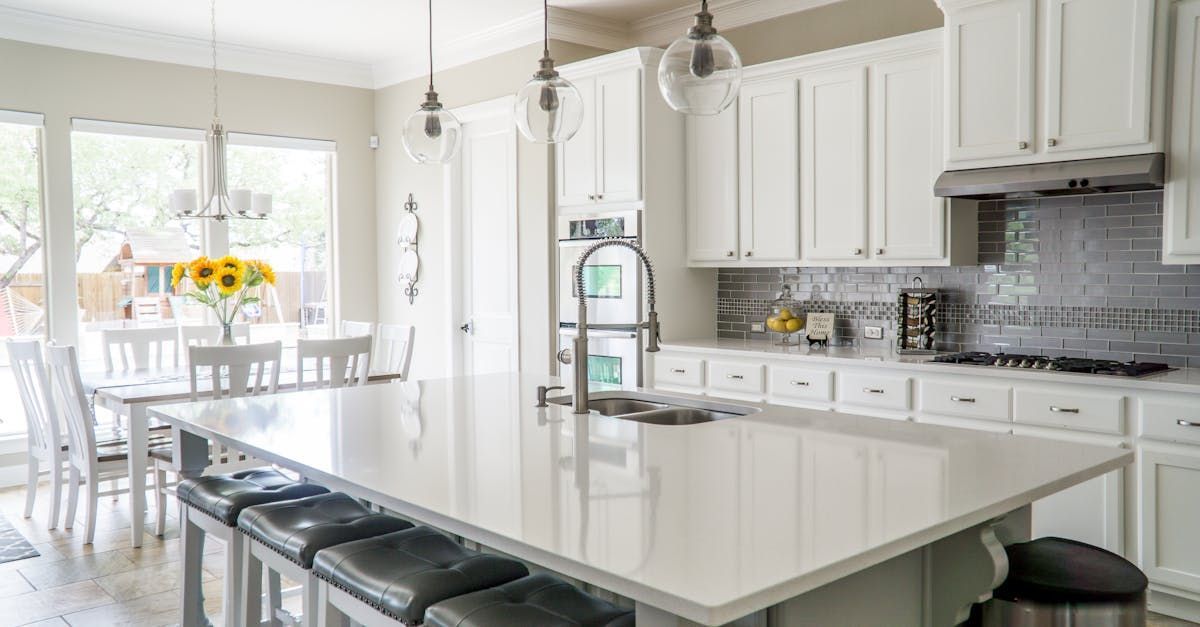
In an open layout, the same wall finish can appear different as daylight shifts across the room. Durable finishes for Southwest Florida open-concept homes are worth considering alongside flooring and trim, since connected spaces keep those surfaces in view together.
Common interior paint sheens, compared
There's no single sheen that suits every surface. A middle option, often eggshell or satin, can balance appearance and cleaning needs, but the best fit depends on the product and room.
Flat, matte, and eggshell
Flat has the least visible reflection. It can suit ceilings and low-traffic areas where hiding minor surface flaws matters more than frequent scrubbing. Matte has a similar subdued look, and washable matte products may be easier to maintain than traditional flat paint.
Eggshell has a soft, low-level glow. It's a common middle ground for living rooms, bedrooms, and hallways, particularly when you want a little more cleanability without a pronounced shine. Still, products labeled eggshell can differ in reflectivity and washability.
Satin, semi-gloss, and gloss
Satin has a noticeable but restrained sheen. It can be a practical choice for walls that need regular wiping, including some kitchens, bathrooms, and busy hallways. Semi-gloss reflects more light and is often used on trim, doors, and other surfaces that benefit from frequent cleaning.
Gloss is the most reflective option. It can emphasize architectural details, but it also makes surface flaws stand out. Higher sheen isn't automatically better for humidity: paint performance depends on the product's rating and the condition of the surface beneath it.

Choose a sheen based on the room
Room use helps narrow the options. Consider how often walls get touched or splashed, how much cleaning they need, and whether the surface is smooth enough for a reflective finish.
Living rooms, bedrooms, and hallways
Eggshell or matte can work well on living-room and bedroom walls when the surface is in good condition. In an older home, matte may disguise small wall flaws, while eggshell can offer a little more wipeability. For hallways and entry areas, where hands and bags often brush the walls, satin or a washable matte may be easier to maintain.
For any finish, test a sample on the actual wall. Daylight, lamps, and the wall's texture all affect the result. A sheen that looks subtle in a paint chip can seem brighter across a broad, sunlit surface.
Ceilings, trim, and doors
Flat or matte is often chosen for ceilings because it limits glare and hides minor irregularities. Trim and doors get more contact, so satin or semi-gloss may be easier to wipe. These are general starting points, not fixed rules: some paint lines offer different sheen choices and cleaning performance.
For kitchen ceilings, a low-sheen finish can avoid glare while still being selected as part of a paint system rated for regular indoor humidity. Choosing paint colors and finishes for a kitchen ceiling also involves matching the finish to lighting and surface condition.
Bathrooms and other moisture-prone rooms
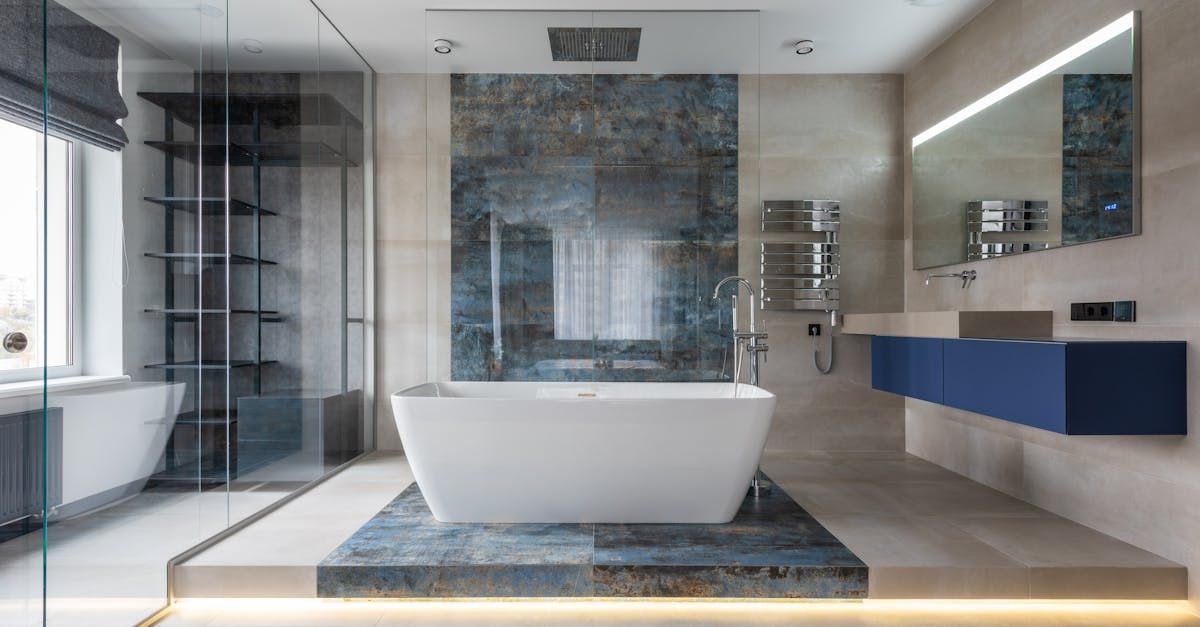
Bathrooms, laundry rooms, and kitchens face more steam or occasional splashes than most bedrooms. Select a paint labeled for the intended interior use, then pair it with a sheen that fits the cleaning demands and wall condition.
Match the finish to the exposure
Satin or semi-gloss may be easier to wipe near sinks, towel hooks, and other areas that get splashed or touched often. A washable matte can be an option where you prefer less shine, but the product's specifications matter. Paint intended for a bathroom or other humid area may have properties that a standard wall paint doesn't.
Keep direct water exposure in mind. Painted drywall isn't a substitute for a properly waterproofed shower or wet wall. Tile and other suitable wet-area materials belong where surfaces regularly receive water.
Think about the whole room
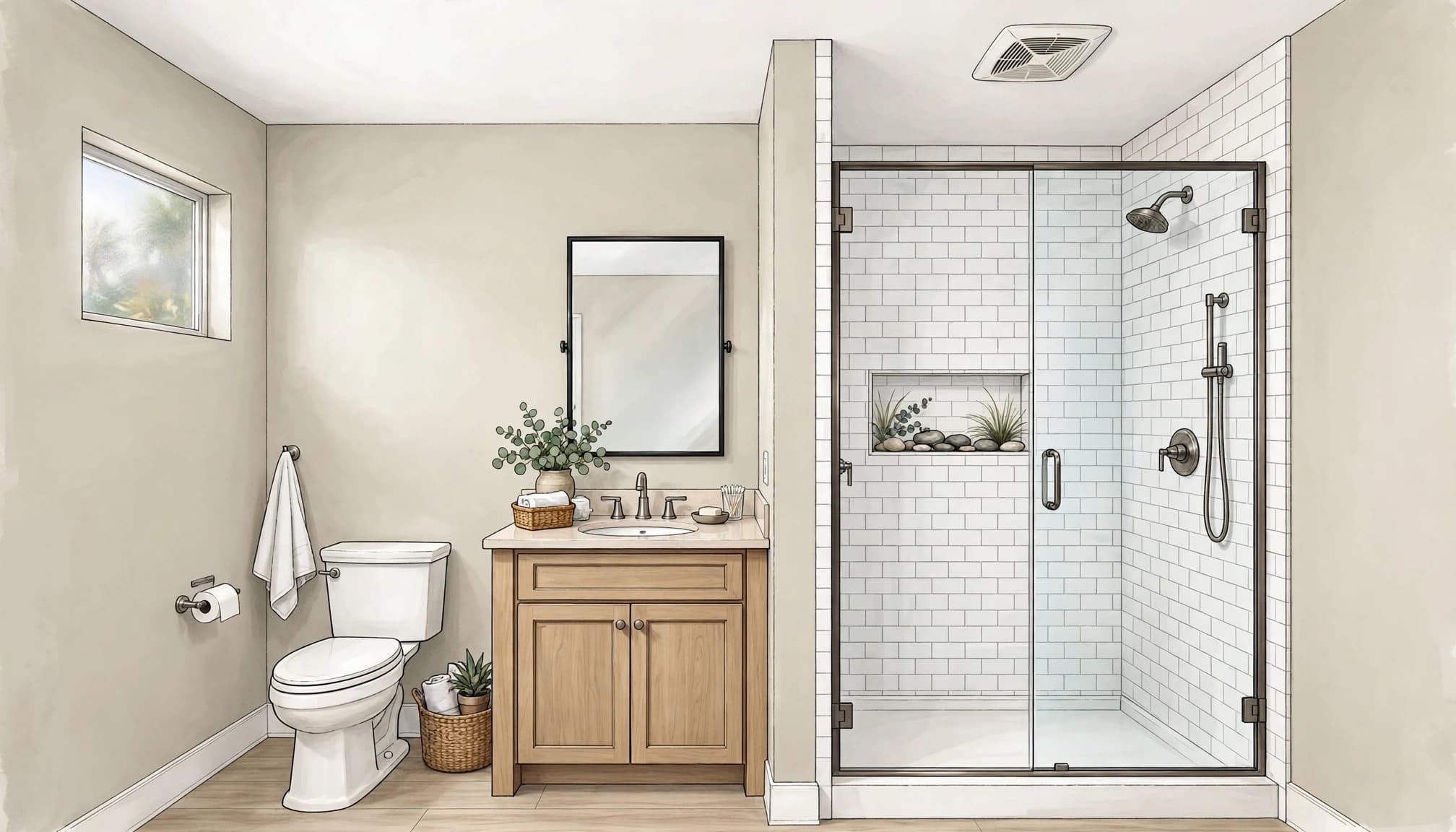
A bathroom's paint finish works alongside its exhaust fan, window, air conditioning, and wall assembly. An exhaust fan can help remove humid air after showers, while a finish suited to the room can support routine cleaning. Neither step replaces the other.
Sheen alone won't prevent mold or mildew
A shinier finish doesn't stop mold or mildew from forming. Moisture control depends on addressing the source of dampness, keeping surfaces and building materials in suitable condition, and allowing humid air to escape.
Control moisture at its source
Fix leaks and recurring water intrusion before painting. Use bathroom exhaust during and after showers, and make sure the fan vents as intended. Kitchen ventilation and functioning air conditioning also help manage moisture produced by daily activities.
Moisture-resistant drywall may suit specific areas when the design and local requirements call for it. It still needs appropriate detailing and protection. As coastal remodeling materials for salt, sun, and humidity emphasizes, moisture-resistant materials don't remove the need for leak control and ventilation.
Use mildew-resistant paint appropriately
Some paints are formulated to resist mildew growth on the paint film. That can be useful in suitable rooms, but it doesn't remove existing mold or correct dampness behind a wall. Follow the product label for intended use and surface preparation.
If a painted surface has visible growth, don't simply cover it with a higher-sheen coat. Address the moisture source and clean or remediate the surface appropriately before repainting. Extensive growth or hidden water damage may require qualified help.
Prepare surfaces before choosing the finish
Even a durable paint can fail when the surface is dirty, damp, loose, or poorly prepared. Preparation matters in humid homes because paint needs a sound, dry surface to adhere properly.
Repair, clean, and prime
Before painting, repair cracks and damaged areas, remove loose or peeling paint, and clean surfaces as the paint manufacturer directs. Let the surface dry. Use a primer suited to the substrate and the finish coat, especially on repairs, stains, or bare material.
If the wall has had a leak or persistent condensation, resolve that issue before applying paint. A new coat may hide a stain temporarily, but it won't stop water from returning.
Follow the product's room and surface guidance
Paint recommendations can differ by brand and product line, even when the sheen name is the same. Look at the label and technical information for intended rooms, surface preparation, drying conditions, and cleaning guidance. A paint system rated for regular humidity is a better basis for a humid room than choosing by sheen alone.
Coordinate paint choices during a remodel
Paint is part of the finish plan, so consider it with flooring, lighting, trim, and cabinetry. In open layouts, a consistent approach helps connected rooms feel considered without requiring the same sheen everywhere.
Select finishes with the rest of the home
A wall finish that suits a quiet bedroom may not suit a high-use hallway or a kitchen near the sink. Decide where surfaces need frequent cleaning, where low reflection is preferable, and where existing wall flaws may show. Planning paint, flooring, and lighting selections for a remodel can help keep those finish decisions coordinated.
Keep a record for future touch-ups
Save the paint brand, product line, color, and sheen used in each room. The same color name can look different in another formula or sheen, so a record helps when repainting or repairing a wall later.
Key takeaways
- Flat and matte finishes reduce reflection and can hide minor surface flaws; some washable matte paints are easier to clean than traditional flat paints.
- Eggshell and satin can balance a softer appearance with routine upkeep, but product formulas vary.
- Semi-gloss and gloss reflect more light and can make wall imperfections more noticeable.
- Choose paint rated for the room, prepare the surface, and manage ventilation and moisture.
- Sheen alone doesn't prevent mold or mildew.
FAQ
What sheen works best in a humid home?
There's no universal best sheen. Choose a product rated for the room's conditions, then weigh cleaning needs against appearance. Satin or eggshell may suit many walls, while a product-specific washable matte may work where less shine is preferred.
Is satin paint mold-resistant?
Not by virtue of its sheen. Some paint products are formulated to resist mildew on the paint film, but satin paint as a category doesn't prevent mold. Moisture control and preparation still matter.
Can flat paint be used in a bathroom?
Some washable flat or matte products are labeled for bathroom use. Follow the product's room and surface guidance, and make sure the bathroom has effective ventilation. A standard flat paint not intended for humid rooms may be a poor fit.
Should I use semi-gloss on every bathroom wall?
Not necessarily. Semi-gloss is reflective and can emphasize wall flaws. Choose based on the product's suitability, wall condition, and how often the area needs cleaning. Use appropriate waterproof materials in direct-splash zones.
Choose finishes for both appearance and upkeep
The right sheen depends on the room, the wall, and the paint formula. In a Southwest Florida home, pair that choice with sound preparation, suitable ventilation, and attention to leaks or condensation.
A little reflection may make a wall easier to wipe, but it won't solve a moisture problem. The lasting choice is the one that fits the surface and the room's conditions.