
Cabinet End Panels: A Cape Coral Finishing Guide
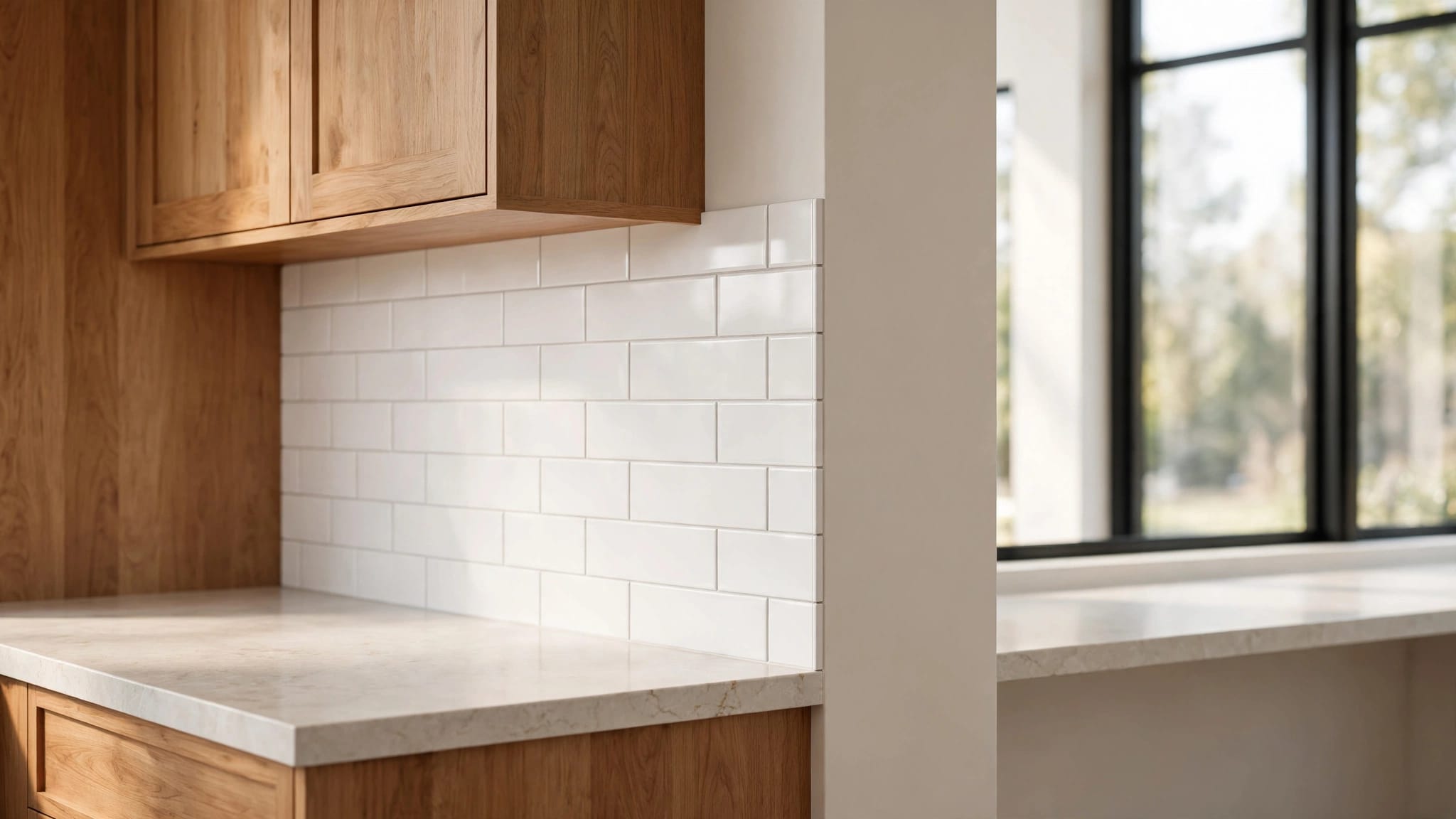
Cabinet end panels give exposed kitchen cabinets a finished appearance that matches the rest of the room. You can cover an unfinished side with a matching skin or finished panel, or use a decorative end that echoes the cabinet doors.
The right choice depends on how much of the cabinet is visible, the condition of the existing box, and the look you want. In Cape Coral, moisture protection also deserves attention, especially around sinks and dishwashers.
Start by looking at the cabinet ends you'll see every day.
Where Exposed Cabinet Ends Need Attention
A cabinet end is the side of a cabinet box that remains visible after installation. While two cabinets placed side by side hide their adjoining surfaces, the cabinet at the end of a run may leave one side on display.
Ends in the Main Sightline
Look at the kitchen from the living room, dining area, and entry. An exposed side at the end of an upper or lower cabinet run may be more noticeable from these spots than it is when you're standing at the counter.
Pantry cabinets can present an especially large surface. Because their sides extend much of the room's height, a color mismatch or an unfinished edge can draw attention away from the doors.
Islands, Peninsulas, and Appliance Openings
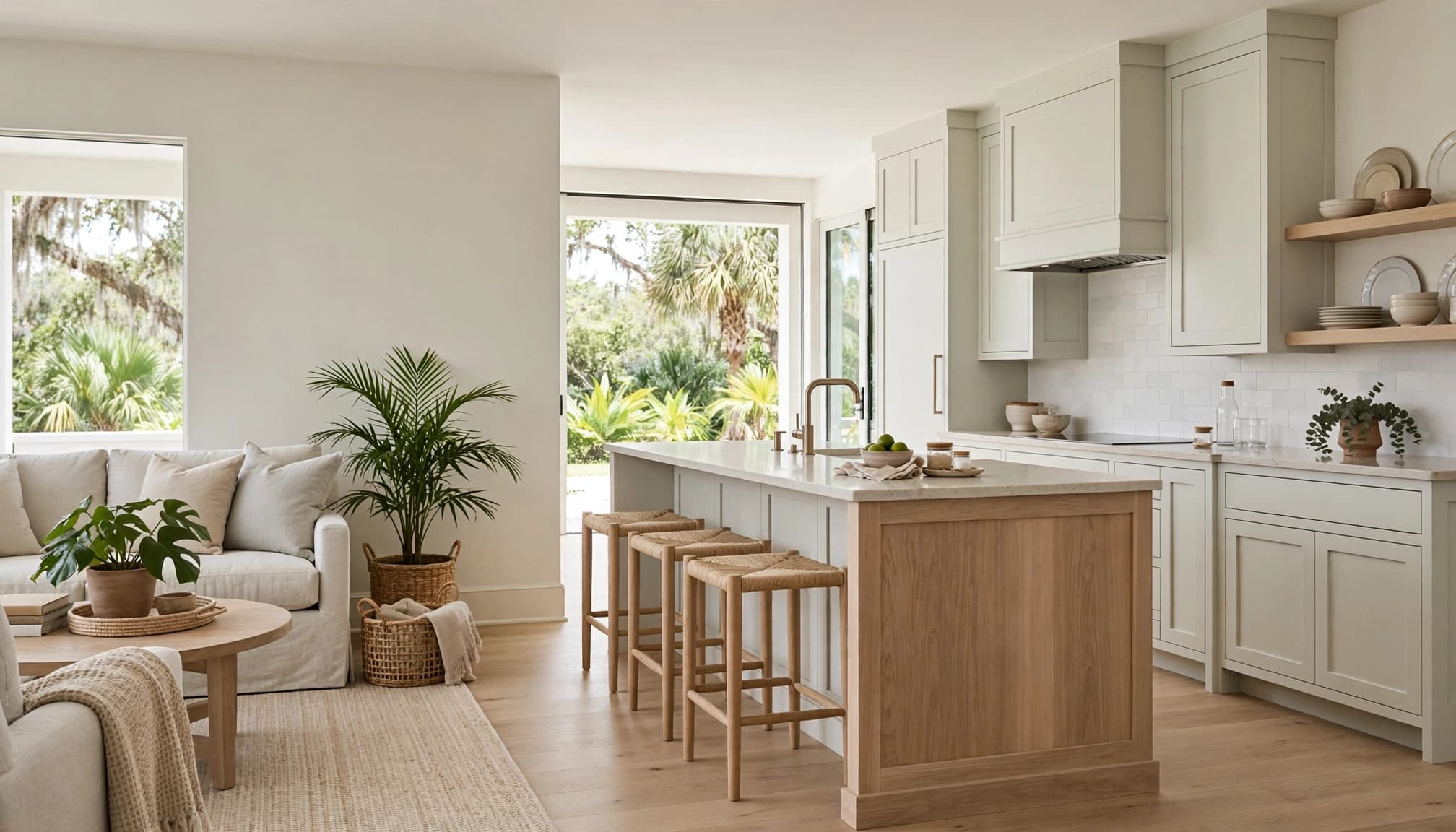
Island and peninsula ends are visible from several directions and often face seating or walkways. A finished panel can make that exposed side look like a planned part of the cabinetry.
Also look beside refrigerators and at the ends of cabinets near appliances. These areas may include fillers or other pieces that need to coordinate with the exposed end. Plan the finish with those neighboring surfaces in mind.
How to Match Cabinet End Panels to Doors
A good match involves more than choosing a similar color. Door style, surface appearance, and the way the end meets the cabinet front all influence the result.
Coordinate Color and Surface
For painted cabinets, compare the end finish with the doors in the kitchen itself. Daylight, under-cabinet lighting, and nearby counters can make two similar whites look different.
For stained cabinetry, compare the overall color as well as the grain. Natural variation is part of the look, but a panel with a noticeably different tone can stand out beside a uniform run of doors.
If the cabinets are new, matching finished ends can be selected as part of the same cabinet order. For an existing kitchen, a sample placed beside the doors gives you a better comparison than a color viewed on its own.
Repeat the Door Style
A flat end can suit a clean, understated kitchen. A decorative end with a framed or recessed design may look better beside doors with similar details.
The proportions matter, too. A design that suits a tall pantry side may look crowded on a narrow cabinet end. On an island, consider the view from both the working side and the seating area before choosing the detail.
Paint-Grade and Stain-Grade Options
Your desired finish helps determine whether a paint-grade or stain-grade end makes sense. Both can coordinate with cabinet doors, but they create different looks.
Paint-Grade Ends
A paint-grade end is intended for an opaque finish that covers the underlying surface. It's a practical choice when your cabinet doors are painted and you want the end to read as part of the same cabinet run.
Look closely at how the finished panel meets the face of the cabinet. Even when the colors match, a rough edge or visible gap can make the end look separate. A smooth, consistent appearance is especially important on a large, light-colored surface.
Painted ends can also introduce contrast. An island may have a different color from the perimeter cabinets, for example. In that case, coordinate the end with the island doors rather than automatically matching the nearest wall cabinet.
Stain-Grade Ends
A stain-grade end is chosen for a finish that allows the grain to remain visible. It can complement stained doors and give a pantry, island, or cabinet run a warmer appearance.
Grain direction affects the finished look. Vertical grain often suits tall pantry ends, while the door design may guide the choice elsewhere. Review the end beside the actual cabinet fronts because color and grain variation can be easier to see across a large side panel.
End Skins, Finished Panels, and Decorative Ends
The right panel style depends on the cabinet's condition and the amount of detail you want. Each option changes the appearance of the exposed side without necessarily changing the kitchen layout.
A Thin End Skin
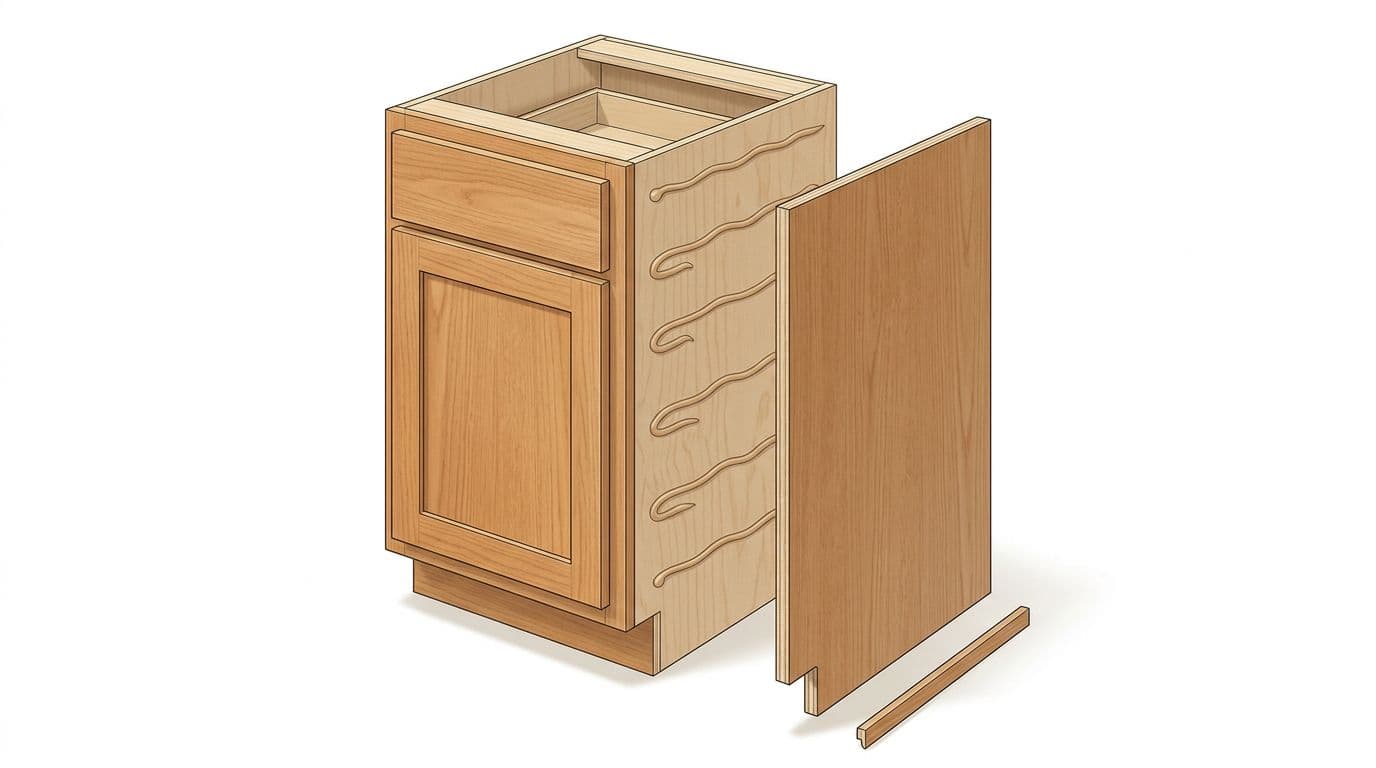
An end skin covers the existing side with a thin finished surface. It's often a useful choice when the cabinet box is sound and you want a cleaner match with the doors.
Because the skin follows the side beneath it, the existing surface matters. Swelling or loose material can remain visible or interfere with a flat result. Address that damage before treating the side as ready for a cosmetic update.
A Finished or Decorative Panel
A finished panel gives the cabinet end a complete surface. Depending on the design, it can look simple and flat or include details that coordinate with the doors.
A decorative end works well where the side is a prominent feature, such as the end of a peninsula facing the dining area. On a less visible cabinet, a simpler finish may be enough. Either way, account for the panel in the overall layout so it doesn't interfere with an adjacent door or walkway.
Plan Preparation and Installation in Six Steps
A finished end looks best when it's considered before the rest of the details are complete. Use this sequence to plan the work and review the finished installation.
- Identify every exposed side. Walk around the kitchen and note the ends visible near entries, seating, appliances, and open living areas. Include both upper and lower cabinets.
- Assess the existing cabinet. Look for swelling, loose surfaces, staining, or other signs of damage. Pay particular attention to sink bases, dishwasher openings, and toe kicks. A new finish won't correct a damaged box underneath.
- Measure the available space. Consider the full visible side and the surrounding countertop, floor, wall, and cabinet front. The planned panel also needs room beside any appliance or adjacent cabinet.
- Choose the finished appearance. Compare paint-grade and stain-grade options with the doors. Decide whether a plain end or a decorative design fits the rest of the kitchen.
- Prepare the side for the finished panel. The existing surface should be clean, dry, and sound. Damage or moisture needs attention before the exposed end receives a new covering.
- Review the fit and final details. The end should align with the intended cabinet edges without obstructing doors, drawers, or appliances. Look at it from the room's main sightlines, including the adjoining living space.
For a larger renovation, include these choices in the cabinet plan rather than leaving them until the final walkthrough. Our kitchen remodeling services in Cape Coral can bring the cabinet finish together with the rest of the project.
Handle Seams, Edges, and Trim
A panel can match the doors and still look unfinished if its edges call attention to themselves. Plan where each visible edge will land and how it will relate to the cabinet front, countertop, and floor.
Keep Seams Out of the Main View
A single uninterrupted surface gives an exposed end a clean appearance. When a seam is part of the design, its placement should look deliberate rather than accidental.
Consider what you'll see when approaching the kitchen. A joint that is inconspicuous beside a wall may be much more visible at the end of an island. On a decorative end, align the detail with the surrounding cabinetry instead of treating the side as an isolated piece.
Coordinate Edges and Toe Kicks
Exposed edges should have a finished appearance that works with the panel face. This detail matters beside a cabinet door, where a different color or unfinished edge can be easy to spot.
At the bottom, coordinate the end with the toe kick and any adjoining trim. A base cabinet's side should look connected to the rest of the run, without an awkward gap or a piece that blocks access beneath the cabinet. Around countertops, keep the finish neat where the surfaces meet.
Choose Finishes for Cape Coral Conditions
Cape Coral kitchens deal with cooking steam, seasonal humidity, and occasional exposure to coastal air. Those conditions make the cabinet's underlying condition and exposed edges as important as its appearance.
Pay Attention to Moisture-Prone Areas
The cabinet beside a dishwasher or sink faces different daily exposure than an upper cabinet away from water. Leaks and repeated splashes can reach an unprotected edge, while a hidden problem under the sink can damage a cabinet before it's obvious from the outside.
Sealed edges and a sound finish help protect exposed surfaces, but they don't make a cabinet waterproof. Wipe up spills and address leaks promptly. Use kitchen ventilation during cooking to help manage moisture in the room.
Our guide to cabinet materials for humid Cape Coral homes looks at the cabinet box as well as the visible finish.
Consider Coastal Air and Sunlight
Kitchens near an open lanai or frequently opened exterior doors may experience more exposure to humid, salty air. Metal hardware can be affected over time, so coordinate corrosion-resistant hardware with the cabinet finish when the project includes new pulls or hinges.
Sunlight can also affect how a finish looks in the room. Compare samples where the cabinet will stand, especially if a peninsula or pantry sits beside a bright window. Look at the doors and end together rather than judging each piece in a different part of the house.
When to Reface or Replace Cabinets
Finishing an exposed end can be a small part of a cabinet refresh, or one detail in a full kitchen remodel. The condition of the boxes and your plans for the layout should guide that decision.
If the cabinets are sound and the layout works, refacing may update their appearance while keeping the existing footprint. Matching the exposed ends matters because new-looking doors beside old or unfinished sides can make the refresh feel incomplete.
Replacement offers more freedom when you need a different layout or the existing boxes have significant damage. It also lets you plan exposed ends alongside storage, appliances, and the rest of the cabinetry. Our comparison of cabinet refacing and replacement covers the tradeoffs in more detail.
Give the Finished End the Same Attention as the Doors
The best cabinet end panel fits the cabinet, coordinates with the doors, and looks intentional from the rooms around it. A simple matching surface can work well, while a decorative end may suit a prominent island or pantry.
For a Cape Coral kitchen, start with a sound, dry cabinet and pay attention to exposed edges. Those details help the finished side look like part of the kitchen rather than an afterthought.