
Tile-to-Luxury-Vinyl Transitions for Fort Myers Floors
A tile to luxury vinyl transition can look like a minor finishing detail, but it affects how two rooms meet, how the floor edges appear, and how easily people move across the seam. In Fort Myers homes, the right profile also needs to suit the flooring system and the finished height of both surfaces.
There isn't one profile that fits every doorway. Compare the floor levels, edge protection, appearance, and whether the luxury vinyl is floating or glue-down before settling on a design.
Key Takeaways
- The transition should suit the finished heights of the tile and luxury vinyl, not just the product thicknesses listed on their packaging.
- T-molding and reducer profiles have different shapes, but their names alone don't tell you which one fits a particular floor.
- Floating and glue-down LVP interact with the seam differently, so the flooring method matters when choosing a profile.
- A tidy appearance matters, but the profile also needs to protect exposed flooring edges.
- In Southwest Florida, moisture management starts below the finish surface. A waterproof plank doesn't make the entire floor assembly waterproof.
Why the seam deserves attention
A transition sits at a busy boundary. It may connect a tiled kitchen to an LVP living area, or mark the change from a tile entry to a wood-look hallway. Because people cross it often, a poorly chosen profile can draw the eye, catch a shoe, or leave an edge vulnerable.
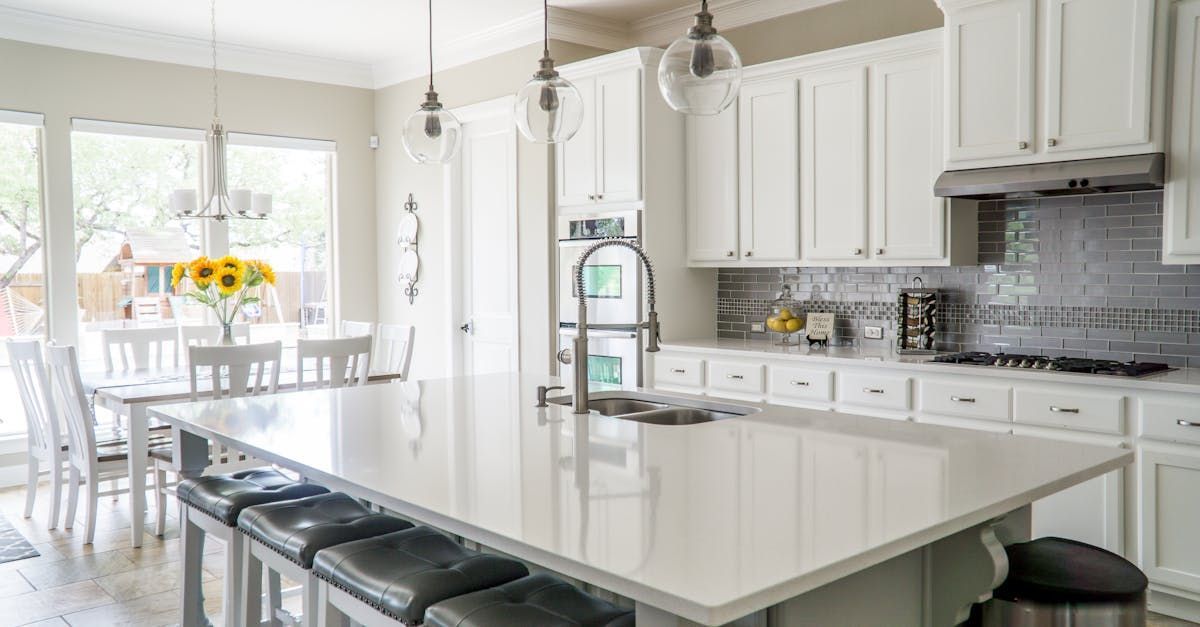
During a remodel, the seam should be considered alongside the floor plan and finish choices. That's especially true in open layouts, where several connected areas remain in view at once. Our modern kitchen remodeling ideas for Fort Myers homes include the broader finish decisions that shape how a kitchen connects with nearby living spaces.
Identify the floor boundary
Start by locating exactly where the materials meet. A doorway, a change in room use, and an open passage can each call for a different visual effect. A transition can separate spaces clearly, or blend into the flooring so the change feels quieter.
The best choice also depends on what surrounds it. A profile that looks balanced in a narrow doorway may feel too prominent across a wider opening.
Consider appearance and performance together
Color is only one part of the decision. Profile width, finish, shape, and the visible edges of both floors also affect the result. A close color match can make a trim piece less noticeable, while a deliberate contrast can make the boundary easier to see.
Still, appearance shouldn't outweigh fit. A profile that looks right but doesn't suit the floor assembly may leave the seam unfinished or poorly protected.
How height affects the transition profile
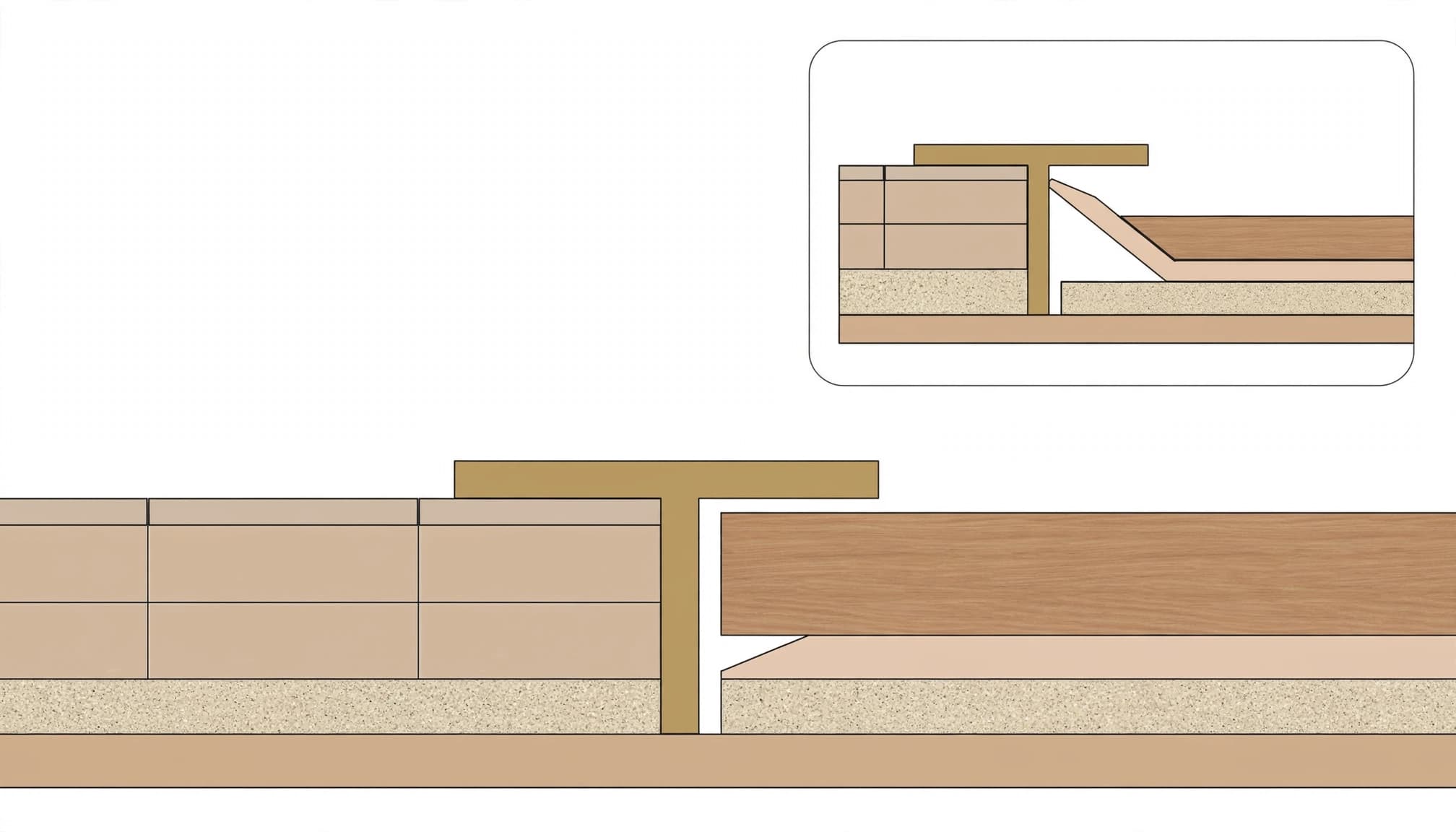
Compare the finished floor surfaces on each side of the seam. Tile height includes more than the tile itself, while the LVP surface depends on its own construction and any layer beneath it. The important visual reference is where each completed floor will sit.
A small or larger difference in surface height changes the shape the transition needs to bridge. T-molding and reducer profiles are familiar options, but their names aren't enough to determine the right fit. The profile needs to suit the actual junction.
Compare the completed floor levels
Think about the full floor build-up rather than comparing tile and plank samples side by side. A tile assembly can sit higher or lower than the LVP next to it, even when the surface products seem similar in thickness.
The profile should make sense for that difference and create a natural crossing point. If the final floor levels haven't been established, it's too early to choose a specific transition shape.
Think about the way people cross it
The seam's location matters as much as its height. A transition at a doorway may be less visible than one across an open room, while a passage that gets heavy daily use puts more emphasis on a smooth, comfortable crossing.
A clean change in floor level can make the connection feel intentional. A visibly awkward step or abrupt edge can interrupt the room, so the junction deserves attention before finish materials are finalized.
Why floating or glue-down LVP matters
Luxury vinyl is installed as either a floating floor or a glue-down floor. That method affects how the material relates to the seam, so it belongs in the profile decision from the start.
A floating floor isn't fixed to the subfloor in the same way as glue-down LVP. Since the two systems behave differently, a transition that works visually with one installation method may not suit the other. Choose the profile with the flooring method in mind, rather than treating trim as a decorative piece that can be selected at the end.
Keep the floor system in view
The transition is one piece of a larger assembly. The tile, LVP, subfloor, and profile all meet at the same boundary, and the finish needs to work with that combination. A product's surface may resist everyday spills, but that doesn't tell you whether a particular trim suits the floor system beneath it.
For general background on how these surfaces handle everyday wear, see our guide to durable LVP and tile flooring options. The transition still needs its own assessment because the floor edges and installation methods differ from the broad surface-performance question.
Decide before final installation
Settle the transition approach while the room's flooring plan is still being developed. That gives the layout and material choices room to work together, rather than forcing the trim to compensate for a decision made too late.
This matters in remodels where existing tile stays in place and new LVP must meet it. The completed heights and floor methods help define what profiles are practical.
Protect the flooring edges
A transition does more than cover a seam. It can help shield the exposed floor edges from routine contact, including shoes, furniture, and cleaning tools. That protection is especially useful where the flooring boundary sees frequent foot traffic.
An edge that looks tidy on installation day should remain supported as the room is used. The goal is a profile that finishes the seam without leaving either material looking vulnerable or unfinished.
Choose a profile that looks intentional
The transition should sit naturally with the room's trim, doorways, and flooring pattern. A low-contrast color can help the seam recede, while a more distinct finish can define a room boundary.
Neither approach is automatically better. Consider how the surrounding floors read together, and how much attention you want the transition to attract.
Keep the crossing comfortable
The seam should feel considered underfoot and suit the traffic moving through that area. A profile that looks bulky or interrupts the path can make an otherwise well-designed floor feel less cohesive.
In a busy entry or kitchen, practicality deserves equal weight with color and shape. The most attractive option is the one that also fits the floor levels and protects the edges.
Choose an appearance that fits the room
Tile and LVP may have different textures, patterns, and visual scale. The transition can either soften that contrast or underline it. For instance, a simple finish can help two distinct surfaces feel connected, while a deliberate boundary can make each area feel separate.
Light also affects how the seam reads. A bright doorway or open-plan room can make small differences in tone more noticeable. Samples viewed in the actual space can give a clearer impression than a catalog image.
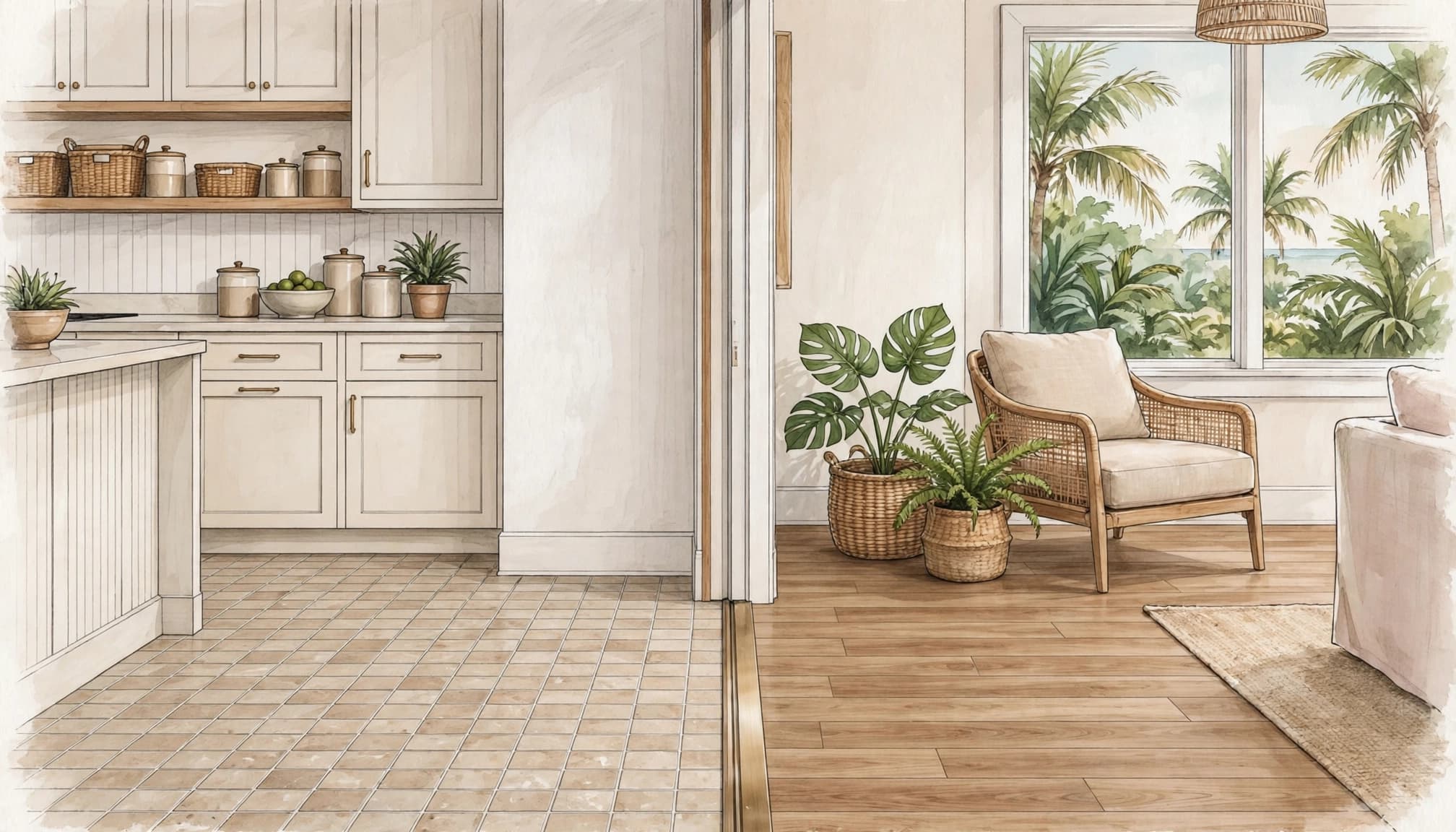
Floor texture matters, too. Tile grout creates a different visual rhythm from the long lines of LVP planks. A profile that complements both surfaces can help the boundary feel planned instead of patched in.
If you're selecting tile for a bathroom, our article on bathroom tile options for humid Cape Coral homes covers material and finish considerations for that room.
Account for Fort Myers humidity and moisture
Southwest Florida homes contend with humidity, tracked-in sand, and occasional wet footprints from a pool or lanai. These conditions make easy-care flooring appealing, but moisture management still involves more than the visible surface.
Luxury vinyl may resist surface water, yet the slab beneath it still matters. Moisture below the flooring can affect parts of the assembly even when the top layer is designed to handle household spills. A transition profile cannot correct problems below the floor, so the substrate and room conditions belong in the overall plan.
Consider the whole floor assembly
Tile, LVP, and their supporting surfaces each have different requirements. The transition joins finished materials, but the floor needs a suitable foundation on both sides of the seam. A clean-looking trim piece won't resolve moisture or surface problems elsewhere in the assembly.
In bathrooms and other wet areas, waterproofing should be planned as part of the room, not treated as a trim detail. Our guide to bathroom waterproofing steps before tile installation explains why moisture protection belongs beneath the finished tile.
Match materials to everyday use
Tile is a practical choice in many main living areas because it cleans easily and handles humid conditions well. Quality LVP can offer a warmer wood look, but it should be selected for the intended room and installed as its system requires. The flooring choice should suit the home's daily wear, including grit and damp foot traffic.
A well-planned tile-to-vinyl seam connects those different strengths without treating the profile as a cure for moisture concerns.
FAQ about tile-to-LVP transitions
Is a T-molding always right when tile meets LVP?
No single profile fits every junction. The actual floor heights, location, appearance, and vinyl installation method all affect the selection.
Does a reducer work whenever one floor is higher?
The height difference is an important consideration, but the profile needs to fit the specific floor assembly. A profile name alone doesn't establish that fit.
Can I choose a transition by matching the floor color?
Color helps with appearance, but it doesn't address floor height or edge protection. Consider those factors alongside the finish.
Does waterproof LVP eliminate moisture concerns?
No. Water-resistant or waterproof surface material doesn't make every layer beneath it moisture-proof. The supporting floor and room conditions remain relevant.
Finish the seam with the whole floor in mind
A successful tile-to-luxury-vinyl transition fits the finished floor levels, protects exposed edges, and suits the flooring method. Its color and shape should also feel at home in the room.
In Fort Myers, give moisture management the same attention as appearance. When the transition is planned with the entire floor assembly, the seam looks intentional and works with the home's everyday use.