
Cape Coral Storm Protection for Remodeled Homes
A remodel is the right time to address the openings that leave a home vulnerable during a hurricane. For Cape Coral homeowners, Cape Coral storm protection should cover windows, sliding doors, entry doors, garage doors, roof connections, and the way new work joins the existing structure.
Cape Coral lies in a wind-borne debris region, and local design requirements can involve basic wind speeds of 160 mph, with some conditions referencing 170 mph. The exact criteria depend on the address, exposure, building type, opening size, and project scope. Planning protection before walls close or new doors arrive helps prevent expensive changes later.
Start storm protection planning before construction
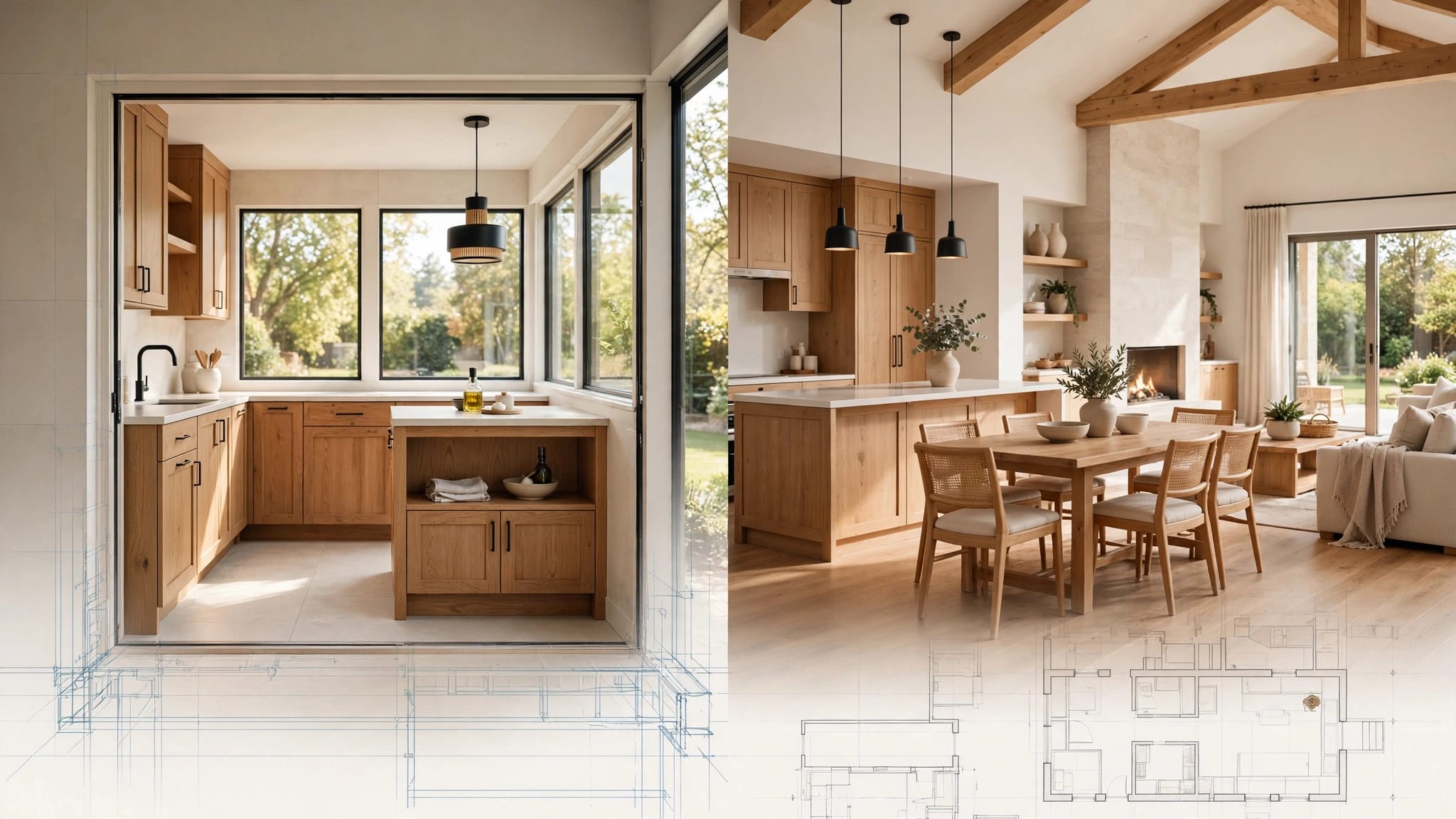
Storm protection works best as part of the remodel, not as an afterthought. A kitchen renovation that adds a wide slider, a bathroom remodel that changes an exterior wall, or a whole-home update that replaces old windows can affect structural details, permits, finishes, and installation methods.
Homeowners planning Cape Coral general remodeling should discuss storm protection during the design phase. The contractor can coordinate opening sizes, framing, electrical work, waterproofing, trim, and product documentation before materials are ordered.
Match protection to every major opening
Windows are only one part of the building envelope. Wind can also enter through a failed garage door, patio door, service door, soffit, or poorly protected lanai opening. Internal pressure may increase stress on the roof and walls after a large opening breaks.
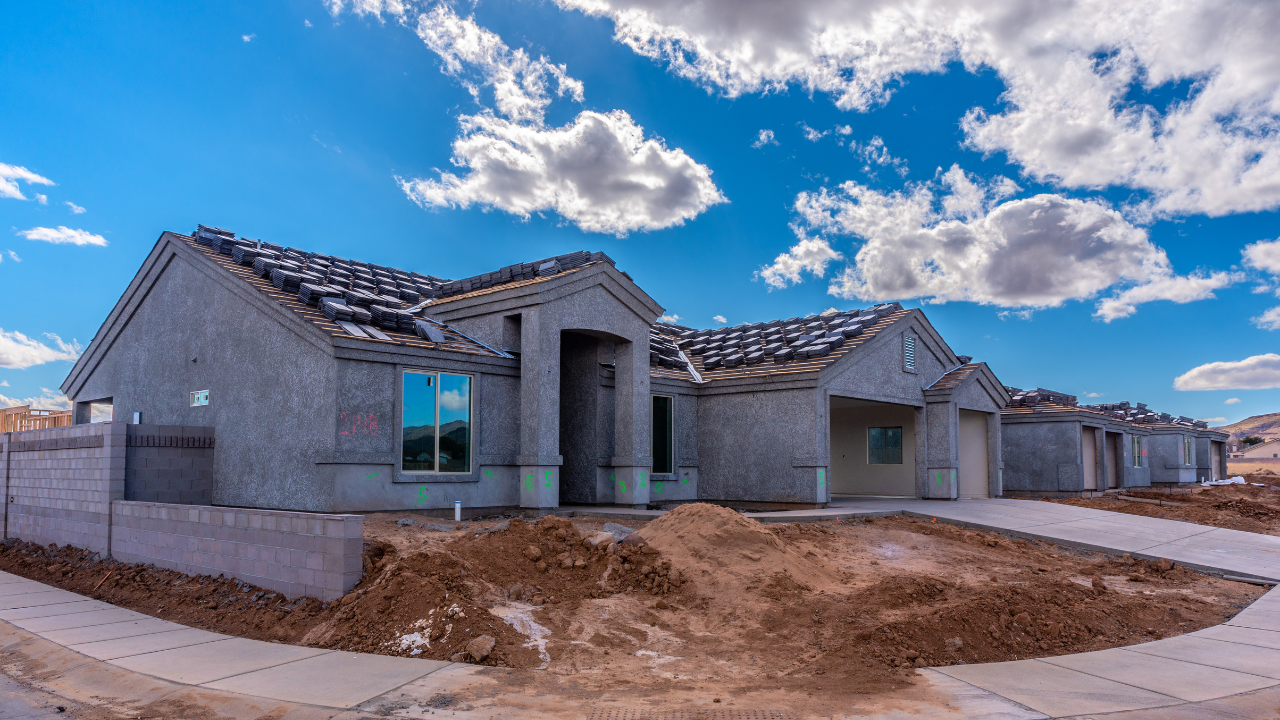
A continuous load path also matters. Roof framing, walls, connections, windows, doors, and the foundation must work together so wind forces can transfer safely into the ground. Concrete block construction may use reinforced cells, bond beams, anchor bolts, and tie beams. Wood-frame construction relies on properly connected framing, sheathing, straps, and hold-downs. Neither wall type guarantees performance by itself.
Coordinate the remodel with the existing home
New windows or doors must connect correctly to the existing wall system. Installers need to evaluate the substrate, fasteners, sill conditions, flashing, sealants, and surrounding finishes. An approved product can still perform poorly if the installation does not match its tested details.
Large opening changes may also affect headers, jambs, electrical circuits, insulation, interior trim, and exterior stucco. If the remodel includes an addition, enclosed lanai, or major structural change, flood-zone review and substantial-improvement rules may also apply.
Compare Cape Coral storm protection options
There is no single solution for every remodeled home. The right choice depends on the number and size of openings, how often you occupy the property, your budget, storage space, appearance preferences, and the product approvals available for your address.
Impact windows and doors
Impact-rated windows typically use laminated glass with an interlayer that helps hold cracked glass together after a tested impact. The complete assembly includes the glass, frame, hardware, fasteners, and anchoring method. Each part must match the approved installation.
Impact products offer daily convenience because homeowners don't need to install panels before every storm. They can also improve comfort, reduce drafts, limit outside noise, and support a cleaner finished appearance. Impact-rated sliding glass doors and entry doors can work well in open kitchen, living, and lanai designs.
The limitations are cost and installation disruption. Replacing windows may require interior trim removal, stucco repair, drywall work, painting, and careful waterproofing. Large or unusually shaped openings may have fewer approved product options. Compare design pressure, maximum size, water performance, warranty terms, and installation details rather than comparing glass labels alone.
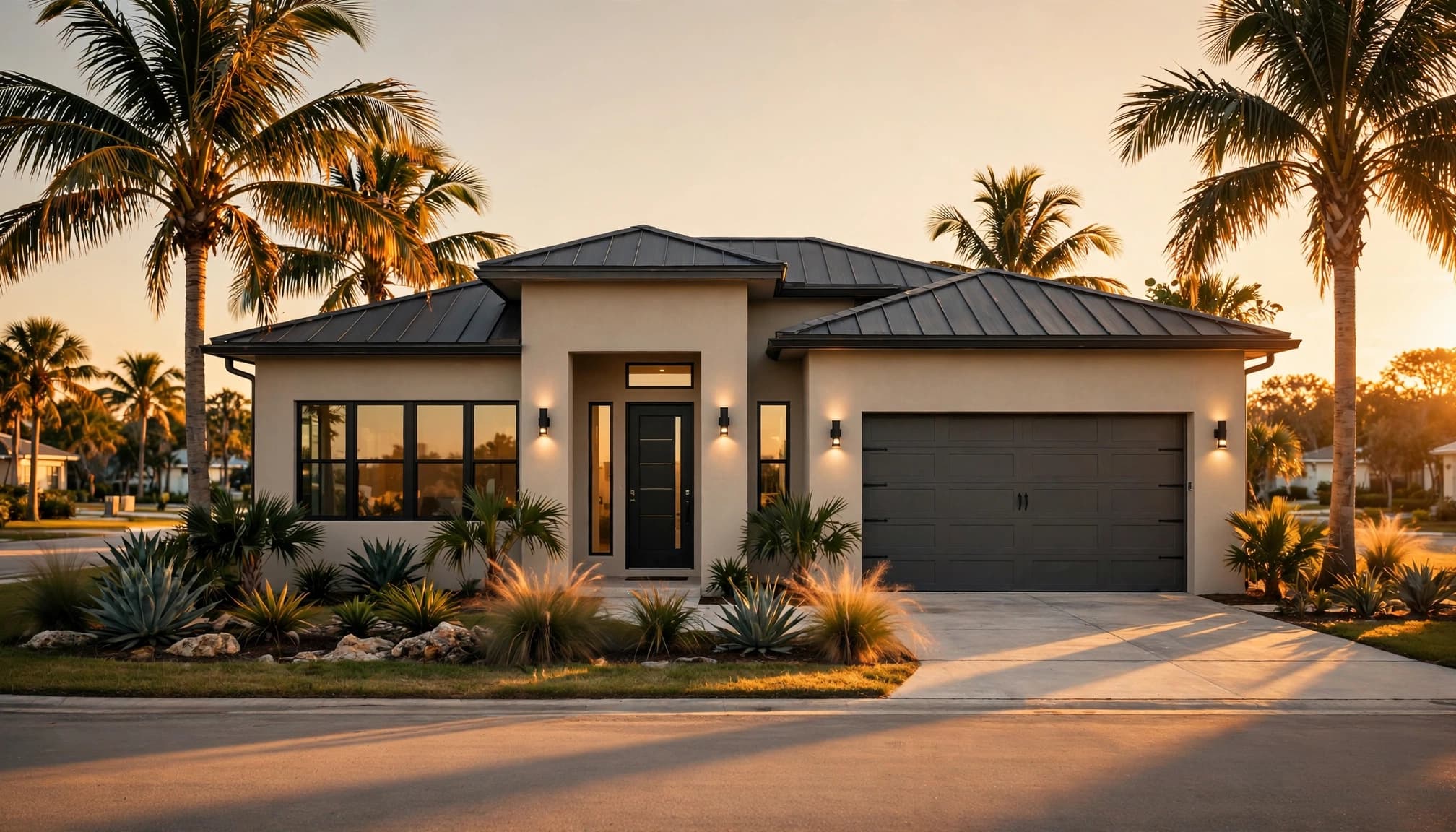
Blue Heron's Cape Coral custom home floor plans include examples of homes designed with impact-rated windows, sliding glass doors, entry doors, and overhead garage doors as coordinated features.
Shutters and storm panels
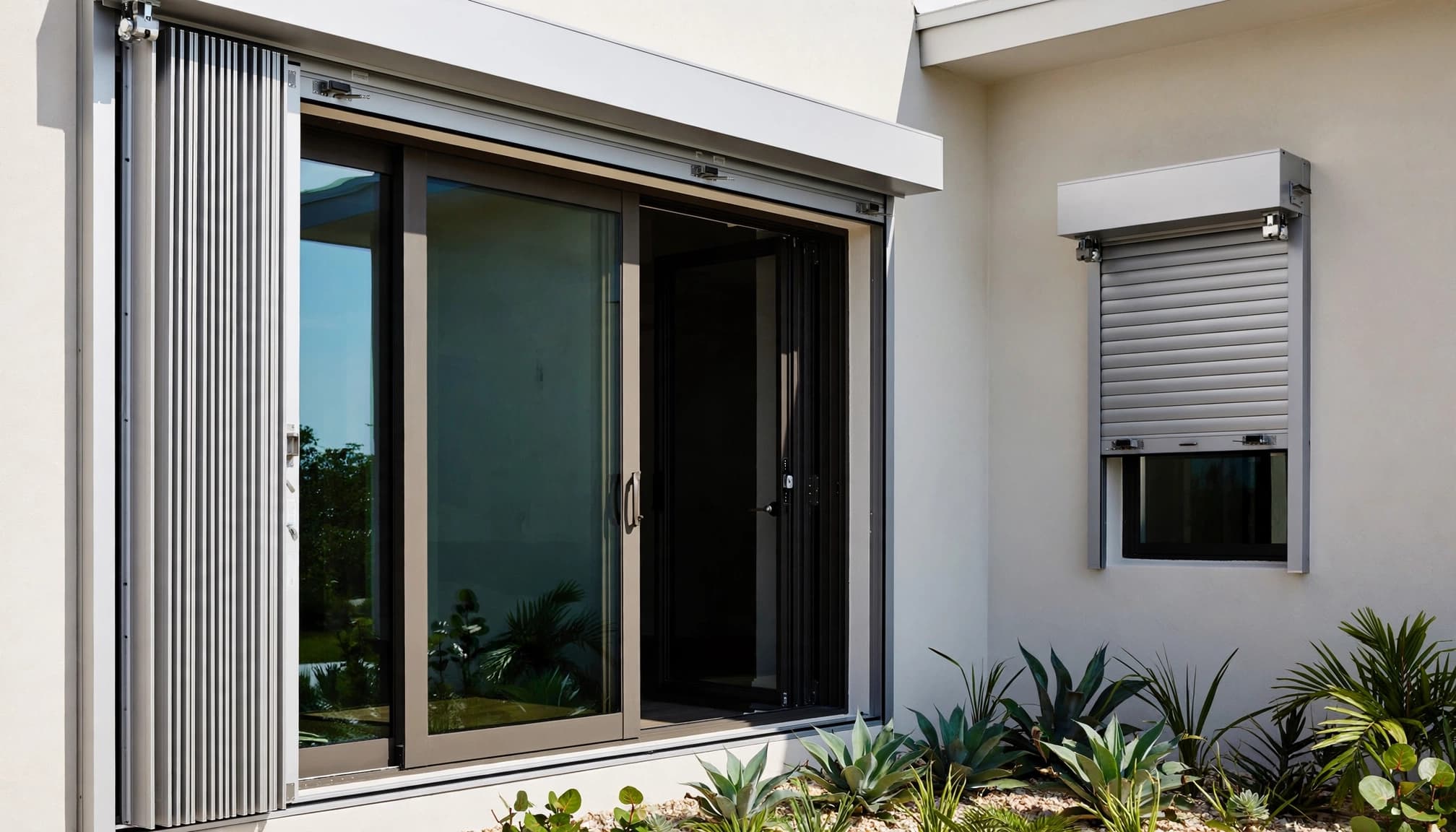
Accordion shutters remain attached beside the opening and typically take about 15 to 30 minutes to close, depending on the home and number of openings. They offer a practical middle ground between permanent impact products and removable panels. Their drawbacks include visible side stacks, moving hardware, and regular cleaning in salty air.
Roll-down shutters provide fast deployment and can cover windows, doors, and some larger openings. Manual systems often take about 5 to 15 minutes to operate, while motorized systems may close in less than five minutes. Motorized systems cost more and may require electrical coordination, backup operation, and additional maintenance.
Storm panels are usually the lowest-cost shutter option. However, they require storage, labeling, transport, and installation before a storm. Steel panels can be heavy and more vulnerable to corrosion in coastal air. Aluminum panels are lighter but still need a dry, organized storage area and properly maintained attachment points.
Plan the budget around the whole opening
Published prices vary widely because opening sizes, product grades, access, installation conditions, motors, electrical work, permits, and finish repairs all affect the final cost. Treat the following figures as planning ranges, not quotes.
| Protection option | Reported planning range | Main cost consideration |
|---|---|---|
| Storm panels | $2,000 to $7,000 for a whole home | Lower purchase cost, but storage and installation take time |
| Accordion shutters | $5,000 to $12,000 for a whole home | Permanent hardware with moderate deployment effort |
| Manual roll-down shutters | $8,000 to $15,000 for a whole home | Faster operation and higher hardware cost |
| Motorized roll-down shutters | $12,500 to $25,000 for a whole home | Motors, controls, electrical work, and backup operation |
| Impact windows and doors | Often $40 to $100 per square foot | Replacement work, finish repairs, and opening complexity |
Some published shutter estimates place storm panels around $14 to $22 per square foot, accordion systems around $26 to $35, and roll-down systems around $45 to $100. Other guides report lower starting ranges. The difference usually comes from whether the estimate includes engineering, installation, permit costs, custom openings, motors, and repairs to surrounding finishes.
Use the remodel to reduce duplicated work
If existing windows already need replacement, impact units may provide better long-term value than installing ordinary windows and adding shutters later. The project already includes demolition, trim work, waterproofing, and finish repair, so combining those tasks can reduce repeated labor.
Shutters may make more sense when the existing windows are sound, the homeowner wants to protect only selected openings, or the budget does not support full replacement. A mixed approach can also work. For example, permanent impact protection may cover frequently used sliders, while panels or shutters protect less-used windows.
Insurance credits and Florida tax treatment can change. Ask your insurance agent what documentation it requires, and confirm current tax eligibility with official guidance or a qualified tax professional.
Confirm Cape Coral permits and code requirements
Cape Coral and Lee County requirements depend on the property, contractor, product, project value, and work scope. A homeowner should not assume that a small-looking opening project is automatically exempt or that a product approval replaces a permit.
The City of Cape Coral's permit materials include shutter and awning guidelines, a window, door, and shutter worksheet, and a notice of commencement form revised in August 2025 for projects valued at $2,500 or more. Lee County fee schedules have listed residential permit fees of $110 for windows and doors and $110 for shutters. These figures can change, so verify current fees before budgeting.
Confirm the permit path before ordering materials
Ask the contractor or permitting office which jurisdiction handles the work and which documents belong with the application. A narrow Cape Coral exemption for certain residential projects under $7,500 requires an online request and approval before work begins. It should not be treated as an automatic exemption.
A motorized shutter may involve electrical work, and an electrical permit may apply. If the remodel includes new circuits, structural framing, a garage-door replacement, an addition, or an enclosed outdoor area, those components may require separate review.
Properties in mapped flood zones can face added requirements involving finished-floor elevation, flood-resistant materials, foundation conditions, drainage, and openings. A major project may also receive substantial-improvement review. Ask about floodplain documentation before finalizing plans.
Review product approvals and installation details
Request the product approval, design-pressure schedule, approved sizes, fastener requirements, and installation drawings. ASTM E1886 and ASTM E1996 may appear in impact-testing documentation. A Florida Product Approval or Miami-Dade Notice of Acceptance can provide useful information, but it does not automatically approve every size or installation condition for a Cape Coral property.
The final installation must match the approved assembly. Changing fasteners, drilling through a frame, modifying a shutter track, or altering a garage-door system can affect performance and warranty coverage. A qualified local contractor, building official, and engineer can confirm what applies.
Build maintenance into the protection plan
Storm equipment needs attention before a hurricane threatens the area. Salt air, humidity, dust, and construction residue can damage tracks, fasteners, seals, and operating hardware if homeowners ignore them.
Maintain shutters and impact assemblies
Rinse exterior glass, frames, shutters, and tracks when salt or dust collects. Clean tracks without forcing debris into rollers. Lubricate moving parts only with the product manufacturer's recommended material. Inspect seals, fasteners, caulking, and visible corrosion after major storms.
Keep removable panels labeled by opening and store them where they remain dry and easy to reach. Test accordion and roll-down systems during calm weather, not when a storm watch has already begun. Motorized shutters should have a backup operating method if the manufacturer provides one.
Check the plan before hurricane season
Write down who will close each opening, where tools are stored, and which systems require electrical power. Confirm that every panel, key, crank, remote, and fastener is present. A protection system that sits in an inaccessible storage area may not help when time is limited.
Retain product approvals, inspection records, warranties, maintenance instructions, and permit closeout documents with the home's permanent records. These documents may help with future repairs, insurance questions, and resale.
Key takeaways for remodeled homes
- Impact windows and doors provide daily convenience but usually cost more than removable protection.
- Accordion and roll-down shutters reduce deployment time while adding visible hardware and maintenance needs.
- Storm panels can control initial costs, but they require storage, labor, and advance preparation.
- Garage doors, sliders, service doors, soffits, and windows need coordinated review.
- Product approval documents must match the opening, size, fasteners, and installation conditions.
- Cape Coral permit, floodplain, electrical, and inspection requirements should be confirmed before work begins.
- A licensed local contractor and qualified design professional should review structural connections and opening protection together.
Cape Coral storm protection FAQ
Are impact windows required for every Cape Coral remodel?
Not necessarily. Requirements depend on the project scope, opening changes, product selection, address, wind criteria, and current code interpretation. An approved shutter system may be an acceptable protection method for some openings, while other projects may use impact-rated assemblies. Have the local building department or qualified professional review the plans.
Are shutters cheaper than impact windows?
Shutters often cost less for a whole-home project, especially when existing windows remain in good condition. However, the total price depends on opening size, access, installation, permits, motors, and finish work. Impact windows may become more competitive when old windows already need replacement.
Can I install storm protection after the remodel?
Yes, but waiting can make the work more disruptive. Finished stucco, trim, siding, ceilings, and landscaping may limit access to fasteners and tracks. Include protection during the remodel whenever possible so the opening, waterproofing, and interior finishes are coordinated.
Does Cape Coral storm protection help with flooding?
Opening protection addresses wind and debris, not flood exposure. Flood-zone requirements may involve elevation, drainage, foundations, utilities, and flood-resistant materials. Confirm floodplain rules separately for the property and the proposed scope.
Choose protection that fits the entire remodel
The strongest storm plan matches the opening, the structure, the budget, and the way the household uses the home. Impact windows may suit a remodel built around large glass openings, while shutters or panels may provide practical protection when existing windows remain serviceable.
Cape Coral storm protection also depends on careful installation and current local approval. Review the design with a licensed contractor and qualified professionals before ordering products, then keep the permit and maintenance records for the life of the home.