

Cape Coral Remodeling Financing Options for 2026
A remodel can improve daily life, but an unclear payment plan can put pressure on your household budget for years. The right Cape Coral remodeling financing option depends on the project, your available equity, and the terms you can comfortably manage.
A bathroom refresh may call for a different approach than a room addition, storm repair, or complete kitchen renovation. Start with a realistic scope, then compare financing before signing a construction agreement.
Start with a complete project budget
The contractor's initial estimate is only part of the financial picture. A useful remodeling budget includes design, engineering, permits, labor, materials, fixtures, demolition, inspections, and a contingency for conditions found after work begins.
Older homes can hide plumbing issues, electrical upgrades, water damage, or framing repairs. Cape Coral homes may also need work tied to wind mitigation, roof condition, drainage, or storm restoration.
Ask for a detailed proposal that separates allowances from fixed selections. An allowance is a placeholder amount for an item you have not selected yet, such as tile or appliances. If your final selection costs more, your total project price rises.
Finance the full expected scope, including a reserve for approved changes, rather than borrowing only enough for the first estimate.
For larger work, review the contractor's plans and construction process before choosing a loan product. Whole-home remodeling services can involve structural changes, additions, and outdoor spaces that require a more detailed budget than a cosmetic update.
Cape Coral remodeling financing with home equity
Home equity is the difference between your home's market value and the mortgage balance you still owe. If you have built meaningful equity, a home equity loan or home equity line of credit may offer more borrowing capacity than an unsecured loan.
Both options use your home as collateral. That can make the terms more favorable than unsecured borrowing, but missed payments can put the property at risk of foreclosure.
Lenders review credit history, income, debts, current mortgage obligations, home value, and the requested loan amount. A strong appraisal matters because it helps determine how much equity the lender will recognize.
A home equity loan provides a lump sum
A home equity loan gives you one amount at closing. It commonly has a fixed interest rate and a fixed repayment schedule, so the monthly principal-and-interest payment is easier to forecast.
This structure often fits a remodel with a well-defined cost. For example, a kitchen renovation with signed material selections, permit costs, and a documented construction schedule may be easier to finance with one lump-sum loan.
However, borrowing too much creates interest costs on funds that may sit unused. Borrowing too little can leave you looking for a second financing source halfway through construction.
A HELOC lets you borrow in stages
A home equity line of credit, or HELOC, lets you draw funds up to an approved limit. You borrow only what you need during the draw period, then repay the balance under the lender's rules.
That flexibility can suit projects completed in phases. Still, many HELOCs have variable interest rates, which means your payment may change as rates move. Some plans also allow interest-only payments during the draw period, followed by a higher repayment-period payment.
Read the agreement for annual fees, inactivity charges, minimum draw amounts, rate caps, and how the lender can change or freeze the line.
Consider a cash-out refinance carefully
A cash-out refinance replaces your existing mortgage with a new, larger mortgage. The difference between the old loan payoff and the new loan amount becomes cash for the renovation.
This can be useful when you need substantial funds for an addition, extensive storm repairs, or a full interior renovation. It also gives you one mortgage payment instead of separate first and second loan payments.
The tradeoff deserves close attention. A refinance changes the terms of your entire mortgage, not only the money used for improvements. If your present mortgage has a lower rate or fewer years remaining, the refinance could raise your total borrowing cost even if the monthly payment looks manageable.
Compare the old mortgage with the new one
Ask the lender to show the current mortgage payment beside the proposed payment, including principal, interest, taxes, insurance, and mortgage insurance if it applies. Also compare the remaining interest on your present loan with the projected interest over the new term.
Closing costs matter as well. A loan with fees rolled into the balance can reduce your cash paid at closing, but it increases what you owe.
Cash-out refinancing is secured by your home. Therefore, take time to confirm that the new payment still works if insurance, property taxes, or household expenses rise.
Personal loans and contractor financing
Unsecured personal loans don't require your home as collateral. They can make sense for smaller repairs, modest bathroom updates, or projects where you lack enough equity for a home-secured loan.
Approval often moves faster than a mortgage-based loan. In return, repayment periods may be shorter, and borrowers with weaker credit can face higher APRs.
Personal loans can limit property risk
Because an unsecured loan does not place a mortgage lien on the house, late payments do not create the same direct foreclosure risk as a HELOC or home equity loan. Late payments can still damage your credit and lead to collection action.
Before accepting a personal loan, compare the APR rather than looking only at the advertised interest rate. APR includes certain lender charges and gives a clearer view of annual borrowing cost.
Check whether the lender charges an origination fee, whether funds arrive as one deposit, and whether a prepayment penalty applies. A prepayment penalty is a charge for paying off the loan early.
Review contractor financing disclosures line by line
Some remodelers and product dealers offer financing through third-party lenders. It may be convenient, especially when you want one conversation about project scope and payment options. Convenience is not a substitute for comparison.
Promotional offers may include deferred interest or a temporary low rate. Deferred interest can mean interest accumulates from the purchase date and becomes due if you do not pay the balance under the promotion's requirements.
Ask who the lender is, whether the financing creates a lien, when payments start, and whether the contractor receives payment before work milestones are complete. You should also confirm how change orders affect the financed balance.

Photo by Maria Ovchinnikova
Renovation mortgages for purchase or refinance
FHA 203(k) and Fannie Mae HomeStyle Renovation loans combine a mortgage transaction with renovation funds. They can be worth exploring when you are buying a property that needs work or refinancing an older home with a substantial repair list.
These loans involve more documentation than a basic personal loan. Lenders review the property, contractor bids, plans, appraisals, draw schedules, and your ability to repay.
FHA 203(k) loans can fund repairs with a mortgage
HUD's FHA Section 203(k) program insures mortgages that cover the purchase or refinancing of a home plus rehabilitation. The property must be at least one year old.
A Standard 203(k) is intended for major remodeling and repairs, including structural work. HUD requires at least $5,000 in repairs for this version, and a 203(k) consultant is required.
A Limited 203(k) is for minor remodeling and non-structural repairs. HUD states that rehabilitation costs for a Limited 203(k) cannot exceed $75,000, and consultant use is optional. FHA-approved lenders offer these loans, but participation varies by lender.
HomeStyle Renovation is a conventional option
Fannie Mae's HomeStyle Renovation mortgage can finance improvements, repairs, or renovations during a home purchase or refinance. The borrower selects a contractor and submits renovation plans to the lender.
Fannie Mae describes financing up to 75% of the home's as-completed appraised value. That appraisal estimates value after the planned work, yet the lender still applies its own underwriting rules.
HomeStyle may work well for homeowners who qualify for a conventional mortgage and want renovation costs inside one loan. Review contractor requirements, draw procedures, reserve requirements, and completion deadlines before relying on this option.
Local repair assistance has narrow eligibility
Public repair assistance is not the same as standard remodeling financing. Programs may focus on health, safety, accessibility, or basic property repairs rather than elective upgrades.
Lee County's Home Repair Assistance and Owner-Occupied Housing Rehabilitation program lists eligible work such as roof repair or replacement, plumbing, septic work, HVAC, window replacement, electrical repairs, and door repair or replacement. The county lists a minimum assistance amount of $1,000.
City limits can change eligibility
Lee County states that this program is for unincorporated Lee County, not properties within a city. Since Cape Coral is an incorporated city, homeowners should not assume they qualify.
The county also lists income limits and requires applicants to own and occupy the home for at least 12 months. Applicants must be current on mortgages, property taxes, and HOA fees, and may need hazard or flood insurance.
Program funding and rules can change. Contact Lee County directly before planning around assistance, and ask the City of Cape Coral whether a current city program applies to your address.
Compare financing offers beyond the monthly payment
A low monthly payment can hide a long repayment period, high fees, or a large final cost. Put every offer in the same format before deciding.
Use this quick comparison when reviewing Cape Coral remodeling financing proposals:
| Factor | Why it matters | What to ask |
|---|---|---|
| APR | Shows interest plus certain finance charges | What is the APR after all disclosed fees? |
| Repayment term | Changes both payment size and total interest | How many years will I repay this loan? |
| Collateral | Determines whether your home secures the debt | Is there a mortgage, lien, or security interest? |
| Closing and origination fees | Raises the true cost of borrowing | Are fees paid upfront or added to the balance? |
| Prepayment rules | Affects your ability to pay early | Is there any prepayment penalty or payoff fee? |
| Draw schedule | Controls access to construction funds | Who approves each draw, and when is it released? |
The best offer matches your cash flow and project schedule, not merely the smallest opening payment. Also review the lender's disclosures before committing, because a quote can change after underwriting.
Align financing with the construction agreement
Financing and construction contracts should work together. A lender may release money in draws, while your contractor may request deposits and progress payments at set milestones.
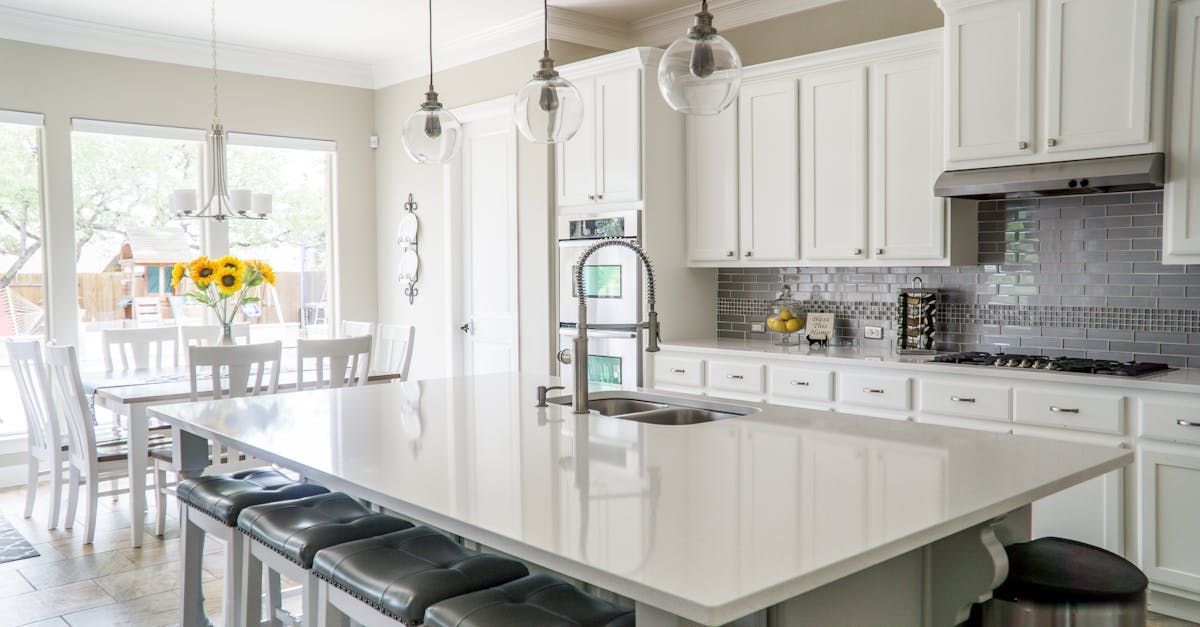
For kitchen work, the project schedule may include design approval, permits, demolition, cabinetry, countertops, plumbing connections, and final inspections. A payment plan should reflect actual work completed and materials ordered.
Match draws to documented milestones
Ask whether the lender inspects work before each draw. Then compare that process to the contractor's payment schedule. A mismatch can create delays if the contractor needs funds before the lender releases them.
Keep signed proposals, change orders, invoices, permits, proof of payment, and product receipts in one file. These documents help resolve questions about draws, warranties, tax records, and insurance claims.
A clear scope also protects your investment. Homeowners considering Cape Coral kitchen remodeling should finalize key design decisions before closing on a loan whenever possible.
Leave room for approved changes
Change orders are written changes to the original contract. They can add cost, extend the schedule, or both. Do not approve one without confirming how you will pay for it.
A contingency reserve is different from an open-ended budget. Set a defined amount, then require written approval before using it. This approach keeps your financing limit connected to real construction decisions.
Tax treatment depends on how funds are used
Tax rules should not drive a borrowing decision, but they can affect the total cost. The IRS generally allows a mortgage-interest deduction only when a loan is secured by a qualified home and the proceeds are used to buy, build, or substantially improve that home.
That rule can apply to qualifying home equity loans, HELOCs, and cash-out refinancing. The loan label alone does not determine deductibility.
Keep records for qualifying improvements
The IRS generally limits the home mortgage interest deduction to the first $750,000 of qualifying indebtedness, or $375,000 for married taxpayers filing separately. Older debt may follow different rules.
Interest used for personal expenses, debt consolidation, tuition, or other non-home purposes generally does not qualify as deductible home mortgage interest. You must itemize deductions to claim eligible mortgage interest.
Save receipts, contracts, and loan records that show where the money went. Speak with a qualified tax professional before assuming any loan interest will reduce your tax bill.
Prepare before applying for financing
A strong application starts before you contact a lender. Pull your credit reports, list your monthly debts, collect income documents, and review your current mortgage statement.
Next, request a project proposal with a clear scope and payment schedule. Lenders may ask for bids, plans, permits, contractor details, or an appraisal, especially for home-secured loans and renovation mortgages.
Ask lenders the same questions
Comparing offers gets easier when each lender receives the same project information. Request written loan estimates or disclosures, then review each offer against the same budget and repayment target.
Focus on:
- The APR, total financed amount, payment amount, and repayment length.
- Every upfront, monthly, and closing fee connected to the loan.
- Collateral requirements, draw rules, late-payment consequences, and prepayment penalties.
- Whether contractor financing has promotional conditions or deferred interest.
- What happens if the project costs more or takes longer than expected.
Loan approval and terms depend on your credit, income, equity, project scope, property value, and lender underwriting. A qualified financial professional can help you assess the payment against your wider household goals.
Choose financing that protects the finished home
The best financing choice supports the work you need without straining the rest of your budget. A HELOC may fit phased work, while a fixed home equity loan can suit a settled scope, and renovation mortgages can combine major improvements with a purchase or refinance.
Compare the full cost, collateral risk, and construction funding rules before signing. Cape Coral remodeling financing works best when the loan, the contract, and the finished home's long-term value all point in the same direction.