
Cape Coral Outdoor Kitchens: Plan for Coastal Weather
A beautiful outdoor kitchen can age quickly when salt air reaches its hardware and summer rain collects around its base. Cape Coral outdoor kitchens need weather-ready planning before you choose cabinet colors or a grill.
Humidity, strong sun, and hurricane-season winds affect everything from countertop selection to electrical connections. Start with your property's exposure, then build a plan that keeps cooking comfortable and maintenance manageable.
Key Takeaways
- Choose outdoor-rated materials, appliances, and hardware, with corrosion resistance suited to your property's exposure.
- Coordinate shade, grill ventilation, drainage, and structural anchoring before ordering cabinets or equipment.
- Confirm permits and inspections with Cape Coral for your project scope, then keep maintenance and storm preparation part of the ownership plan.
Start With Your Lot and Daily Routine
Cape Coral's canal-side lots and indoor-outdoor floor plans make outdoor cooking appealing. However, the same layout won't work equally well on every property.
Map sun, wind, and walking routes
Visit the proposed cooking area during the afternoon, when western sun can heat counters and seating. Also note prevailing breezes and where wind pushes rain beneath the lanai roof.
Keep the route between the indoor kitchen and outdoor dining area clear. Pool traffic shouldn't pass directly behind someone using the grill. Meanwhile, refrigerator doors and pulled-out chairs need space without blocking patio doors.
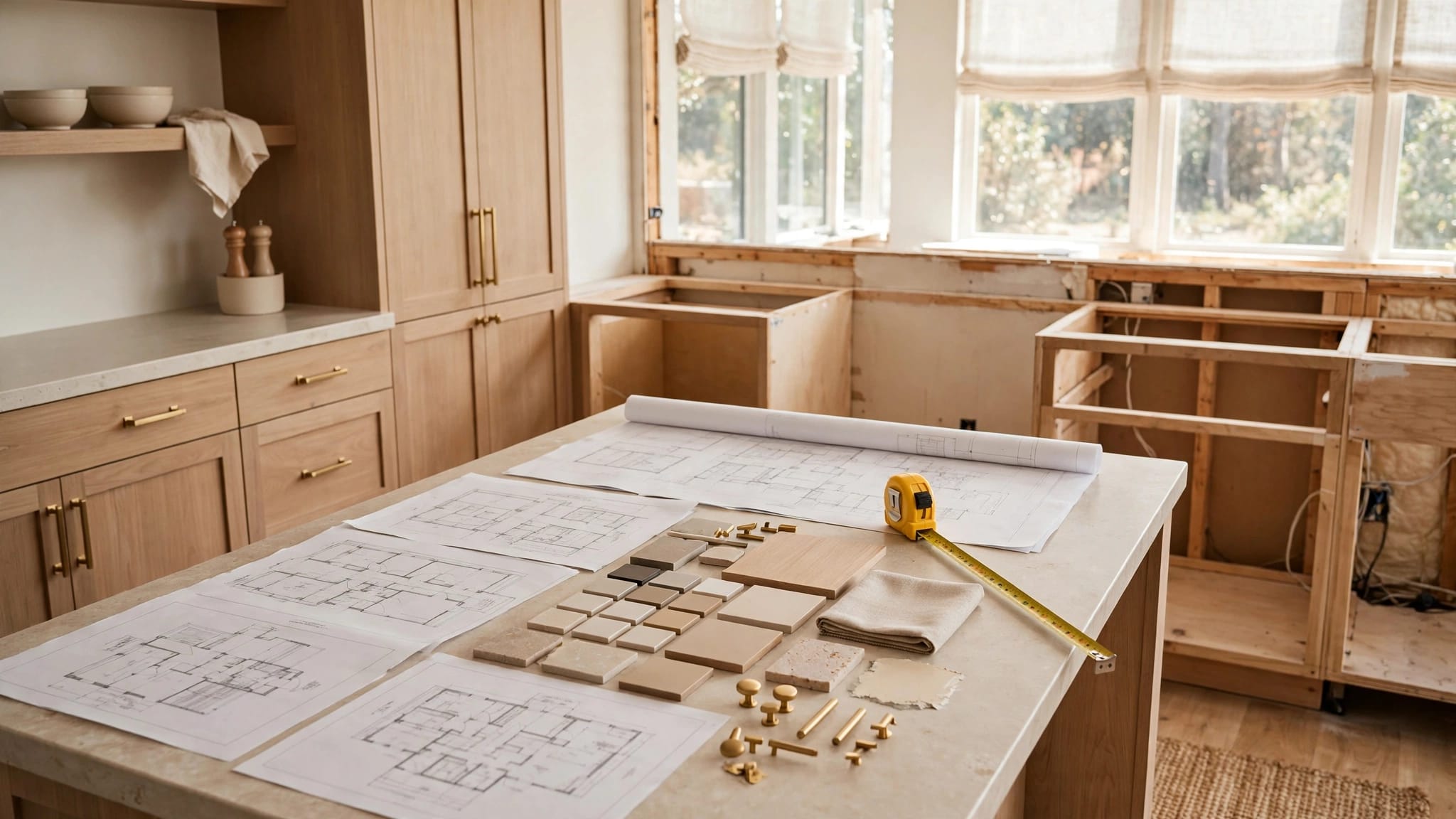
Tape the island footprint onto the patio before approving it. That simple test reveals conflicts that a rendering can hide.
Locate utilities and service access
Identify electrical supply, water lines, drainage options, and any planned gas connection early. Long utility runs or changes to existing paving can affect both cost and construction.
Also check flood-zone status before setting equipment locations and elevations. Rain drainage and flood protection require separate consideration.
For a project that combines patio changes with cooking space, Blue Heron's outdoor kitchen remodeling services can help coordinate the larger scope.
Choose Materials for Salt Air and Humidity
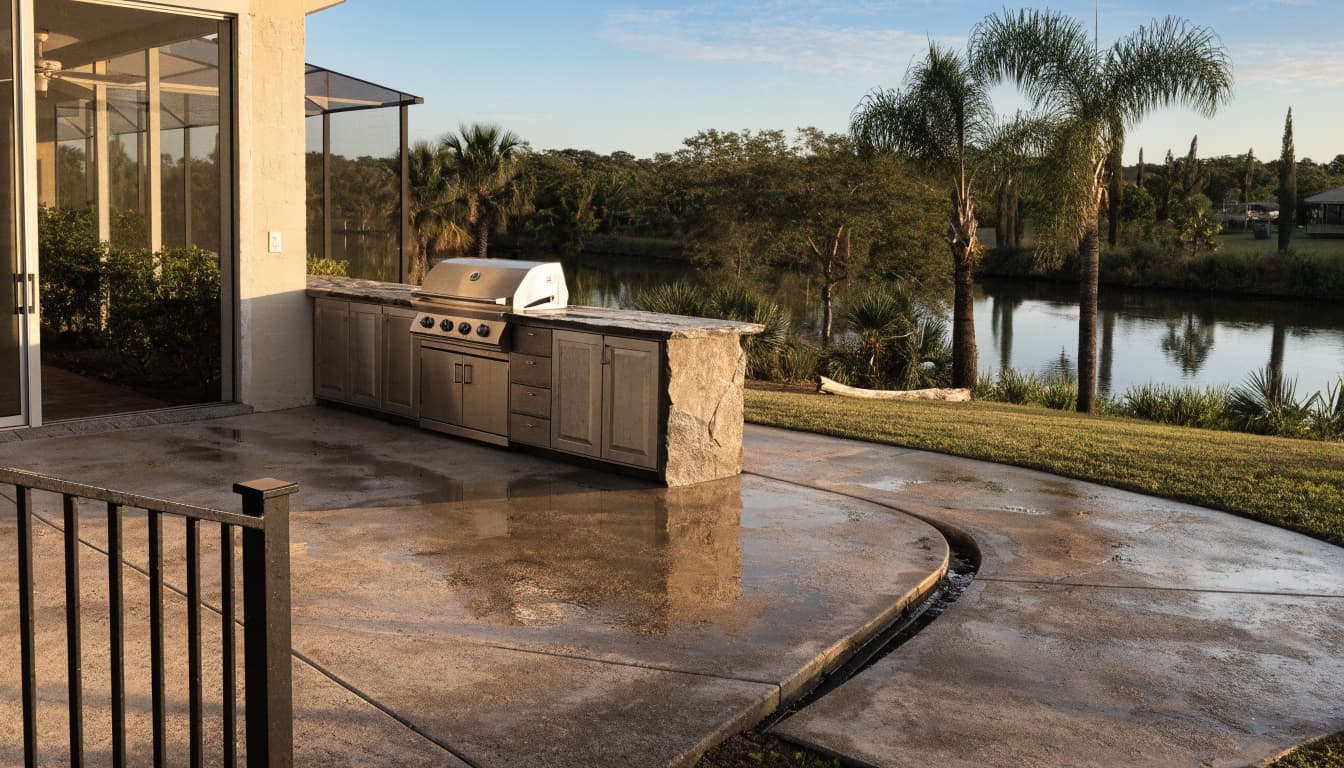
Salt exposure varies with location and wind. Yet a covered lanai still exposes cabinets and hardware to humid outdoor air.
Match cabinets and metals to coastal exposure
For Cape Coral outdoor kitchens, compare outdoor-rated HDPE cabinetry, corrosion-resistant stainless steel, and properly finished aluminum. Avoid treating indoor cabinet construction as suitable outdoors simply because a roof covers it.
316 stainless steel offers better chloride resistance than 304 stainless, so it's worth considering for exposed components. However, neither grade eliminates cleaning or prevents all corrosion.
Ask about hinges, drawer slides, screws, and welds, not only visible doors. Powder-coated aluminum also needs attention at cut edges and damaged coating. Have the installer address incompatible metal connections that could encourage corrosion.
Select countertops for sun and water
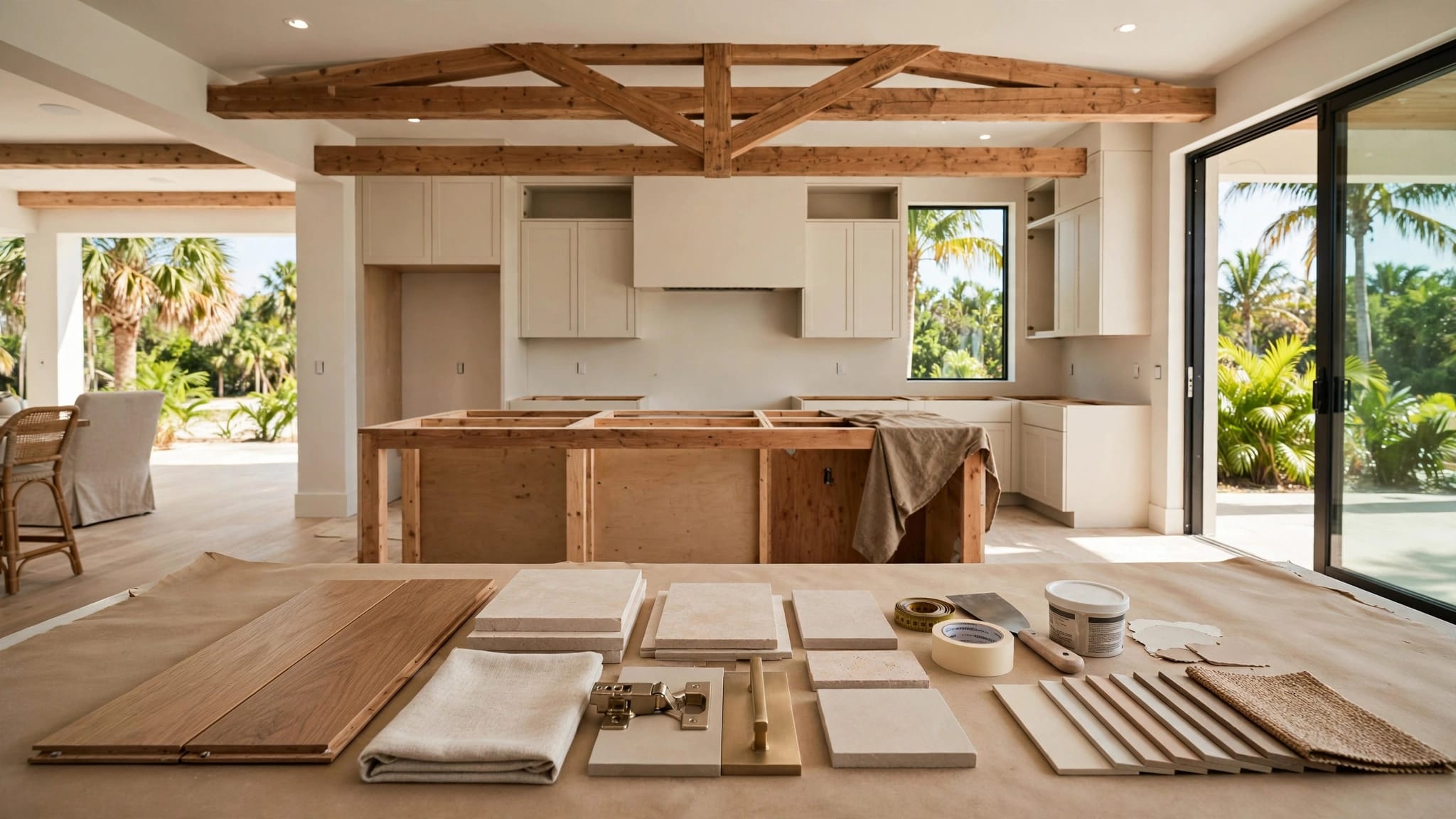
Exterior-rated porcelain, granite, and quartzite are practical options, provided the specific product and installation suit outdoor exposure. Ask whether adhesives, backing, seams, and edge details are approved for exterior conditions.
Don't assume an indoor engineered-quartz countertop can handle direct sunlight. Check its manufacturer's exterior-use restrictions and warranty.
Some natural stone needs sealing, while textured surfaces may retain grease. Compare actual samples outside and ask how each surface handles staining, heat, and cleaning.
If you're coordinating finishes with an indoor renovation, discuss both spaces during kitchen remodeling planning. Consistent colors can connect the rooms without requiring identical materials.
Specify Outdoor Appliances and Protected Electrical Work
A stainless exterior doesn't prove an appliance is designed for outdoor use. Check the exact model's installation manual, environmental limits, and warranty before purchasing.
Check ratings, ventilation, and replacement access
Choose a refrigerator listed for outdoor use and confirm its operating temperature range. A unit exposed to afternoon sun may struggle if conditions exceed its rating.
Built-in grills also need the manufacturer's clearances, ventilation openings, and specified enclosure construction. Some installations require an insulating jacket when combustible materials surround the grill.
Leave access for servicing and eventual replacement. Cabinet openings should match the selected model, and removable panels should reach connections without dismantling the island.
Ask about coastal warranty exclusions, too. An attractive finish doesn't guarantee coverage for salt-related damage.
Plan circuits and wet-location protection
Have a licensed electrician evaluate circuit capacity and the protection required for each location. Discuss GFCI protection, weather-resistant devices, and covers suited to exposure, including protection while a cord is plugged in.
Keep outlets away from direct sink splash and roof runoff. However, don't hide them where using an appliance requires an extension cord across a walkway.
GFCI protection doesn't make a poorly placed outlet weatherproof. Device selection, enclosure protection, and location all matter.
Specify lighting and fans for their actual damp or wet exposure. Also keep junction boxes and shutoffs accessible after cabinets and countertops are installed.
Provide Shade Without Trapping Grill Heat
Cape Coral's Emergency Management & Resilience department describes summers as extremely hot and humid, with feels-like temperatures often above 100°F. Shade can make the cooking area much more usable.
A fixed roof offers dependable shade and rain coverage, but its design must account for structural connections and cooking clearances. A pergola may filter sunlight without keeping appliances dry.
Position shade around the cook's working area and afternoon seating. Then select lighter surfaces where practical, because dark finishes can become uncomfortable in direct sun.
Ventilation needs equal attention. Screens don't guarantee adequate airflow or make every grill suitable beneath a roof. Confirm whether the appliance permits the proposed installation, including overhead construction and nearby openings.
For roofed cooking areas, have the designer evaluate heat, smoke, and any required exhaust system. Outdoor-rated fans can improve comfort, but they don't replace proper grill ventilation.
Design Drainage Before Building the Island
Heavy rain can expose a drainage problem that stays invisible during dry-weather construction. Check the patio's existing slope and where water travels before placing a permanent island.
The finished layout should direct runoff away from the house and avoid trapping water against cabinets or appliance openings. An island can interrupt drainage even when the original patio performed well.
Coordinate gutters, downspouts, paving transitions, and any proposed drains as one system. Also keep roof discharge away from electrical connections and grill controls.
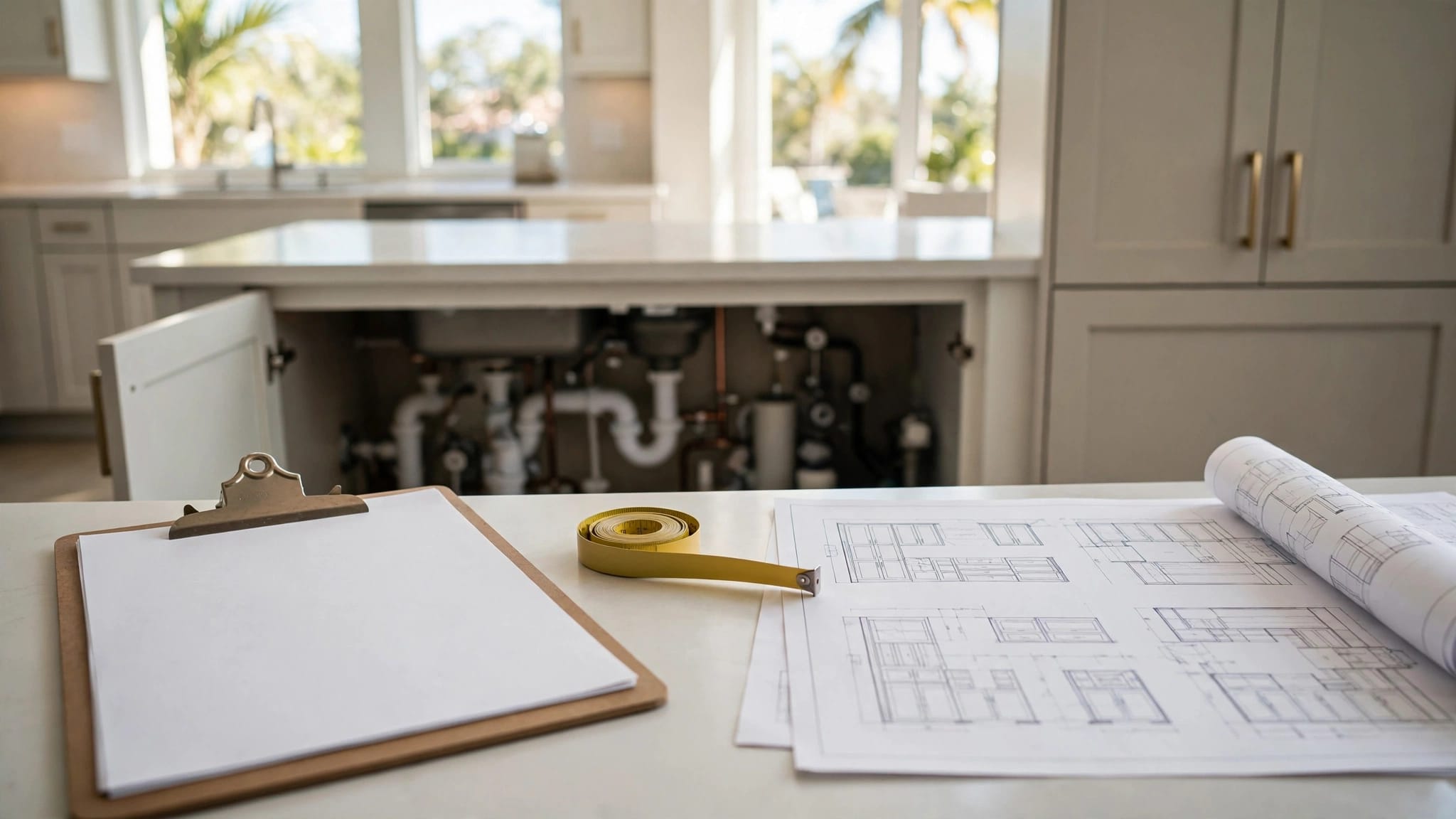
For a sink, have a plumber confirm an approved wastewater connection. Don't assume sink discharge can drain into the yard or a stormwater system.
Choose flooring suitable for wet conditions, then examine thresholds and tripping hazards. Finally, keep drain grates accessible for cleaning. A drain beneath an immovable cabinet becomes difficult to maintain.
Address Hurricane Winds Through Structure and Preparation
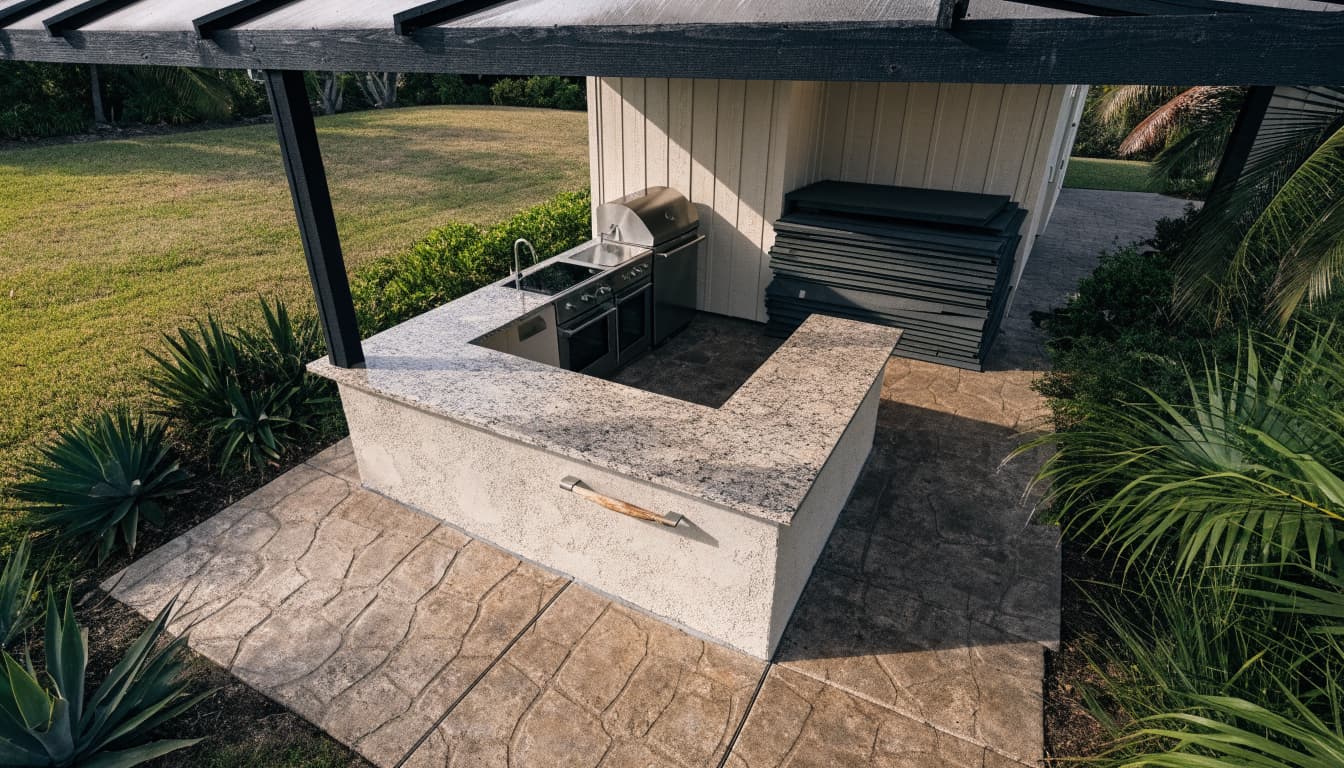
Hurricane season runs June through November. Cape Coral outdoor kitchens need a plan for fixed construction and loose equipment well before a storm approaches.
An island's weight alone doesn't establish wind resistance. Have the appropriate design professional specify anchoring based on the island, supporting slab, and site conditions.
Roof additions, shade structures, and attachments to the house need their own structural review. Existing patio slabs may also require evaluation before they support new construction.
Don't borrow a wind-speed number from another project. Exposure, geometry, connections, and applicable design requirements affect the engineering.
Prepare a practical storm routine:
- Bring loose chairs, utensils, and removable accessories into secure storage.
- Remove or secure covers and shade accessories according to manufacturer instructions.
- Follow appliance instructions for shutdown, including fuel and electrical precautions.
- Keep access clear for shutters, drainage maintenance, and evacuation routes.
Avoid relying on straps added at the last minute as a substitute for designed anchoring.
Confirm Cape Coral Permits Before Work Begins
Permit needs depend on the work behind the finished surfaces. A cabinet replacement differs from a project with new wiring, plumbing, gas piping, roof construction, or structural changes.
Ask the City of Cape Coral to confirm the requirements for your address and complete scope. Its Permitting Services Division directs permit applications through the EnerGov Self-Service Portal.
The city's Permit Document Center and Building Division can help identify applicable submission requirements. Also ask about zoning, setbacks, and floodplain review where relevant. Association approval, if applicable, is separate from city approval.
Before signing a construction agreement, identify who will prepare drawings, obtain permits, and coordinate trade work. Verify contractor licensing and city registration rather than relying solely on a proposal.
Keep approved plans, appliance specifications, permit numbers, and inspection records together. Electrical, plumbing, or structural work may need inspection before cabinets, finishes, or other construction conceal it.
A passed rough inspection doesn't complete the entire permit process. Request confirmation of final approval and retain it with your property records.
Fees and review times vary with the project. Get current information directly from the city instead of applying an older kitchen remodel's figures to new exterior work.
Build Maintenance Into the Design
Durable materials still need care in humid, salty conditions. Choose components you can reach and clean without removing large countertop sections.
After cooking, remove grease and food residue using products approved by the appliance and surface manufacturers. For stainless steel, avoid steel wool and chloride-containing cleaners.
When the equipment is cool, remove salt deposits as its instructions allow. Dry surfaces afterward, and use covers that fit properly without trapping moisture.
Periodically check hinges, fasteners, sealant joints, and coating damage. Also clean refrigerator ventilation openings and look for leaks around the sink.
Before storm season, inspect visible connections and confirm that shutters still operate around the kitchen layout. Test GFCI devices according to their instructions.
If equipment has been flooded or damaged, stop using it until a qualified professional evaluates it. Routine maintenance should never include improvised electrical repairs.
Plan for the Weather Before Choosing the Look
Cape Coral outdoor kitchens last longer when material selection, water management, and structural planning work together. Weather protection belongs in the initial design, alongside the layout and cooking equipment.
For a new home or larger renovation, discuss the outdoor kitchen during custom home construction planning. Early coordination gives utilities, shade, and drainage room in the plans before finishes limit your options.
The result is a cooking space designed for your property and its coastal conditions.