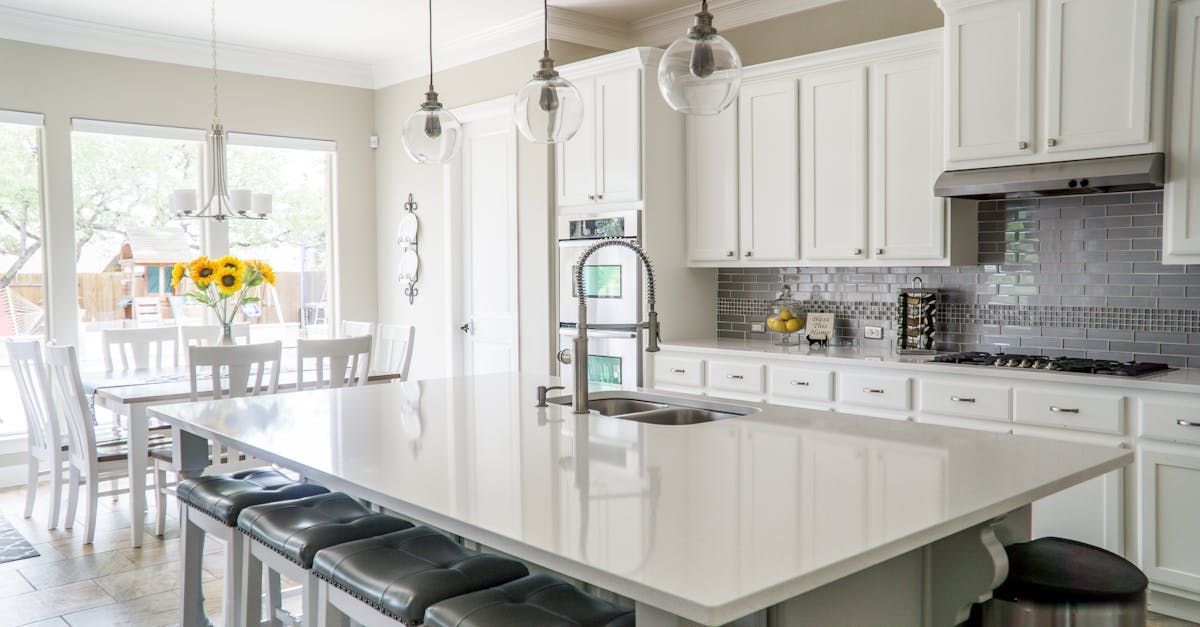
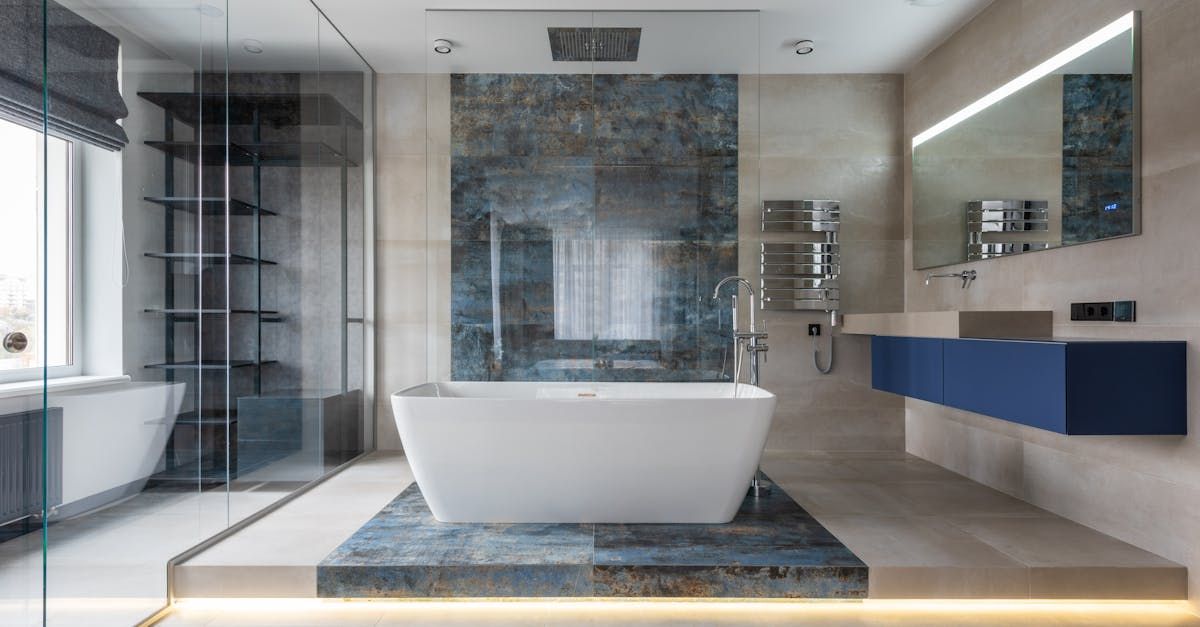

Kitchen Countertop Comparison for Naples Remodels
A countertop has to handle more than coffee cups and cutting boards during a Naples kitchen remodeling project. It also needs to suit bright sunlight, high humidity, frequent cooking, and the relaxed coastal style often featured in modern kitchen design for Florida homeowners.
The right surface depends on how you use the room, how much maintenance you are willing to accept, and how your cabinets and layout affect fabrication. This kitchen countertop comparison separates natural stone from engineered and manufactured options so you can choose the perfect fit for your home with fewer surprises.
Key Takeaways
- Granite countertops and quartzite countertops offer natural variation and strong everyday performance, but each slab needs individual inspection.
- Quartz countertops provide consistent color and low routine maintenance, although direct heat and prolonged sunlight require attention.
- Porcelain countertops, solid surface countertops, and laminate countertops are manufactured choices with different strengths in heat resistance, repairability, appearance, and cost.
- Naples homeowners should ask about sunlight exposure, outdoor use, sealing, seams, edge profiles, and the complete installed price.
- A professional measurement matters because cabinet support, appliance openings, walls, and sink cutouts affect the final result.
Start With How Your Naples Kitchen Will Be Used
The best countertop is the one that matches your daily habits and specific maintenance requirements. A rarely used guest kitchen has different needs than a busy space where several people prepare meals every evening.
Start by looking at the work areas. Do you roll dough on the island? Do children eat snacks there? Will hot pans move directly from the range to the counter? Do you want an undermount sink with a clean edge, or would an integrated sink make cleanup easier? These questions help you identify if you need a heat resistant surface or a stain resistant workspace.
Your answers narrow the material choices quickly. Choosing a durable material is essential for high-activity Naples homes where the kitchen serves as the central hub. A homeowner who wants low routine maintenance may prefer a nonporous manufactured surface. Someone who values natural movement and accepts periodic care may favor granite or quartzite. A baker may want a broad, durable work area, while a homeowner focused on entertaining may care more about a dramatic island slab and coordinated backsplash.
The kitchen layout matters as much as the material. Long runs can require seams, especially when slabs have size limits or when installers need to work around corners. A large island may need additional cabinet support, depending on the slab and overhang. Sink and cooktop openings also affect how much usable material remains.
Naples homes often include open layouts, large windows, and islands that connect the kitchen to living areas. Those features make the countertop highly visible. They also expose it to more sunlight and activity, so color consistency, edge treatment, and seam placement deserve attention before you approve a slab.
A sample shows color, but a full slab shows movement, veining, and the locations where cuts may fall.
The first step in a kitchen countertop comparison is to evaluate the room itself. Measure the work zones, note the brightest windows, and identify the areas that receive the most heat and spills.
Natural Stone Surfaces Bring Variation and Depth
Natural stone is quarried from the earth, cut into slabs, and finished for residential use. Granite, quartzite, marble, and soapstone each have different mineral content and performance characteristics. Because these materials come directly from the earth, two slabs labeled with the same stone name can still look and perform somewhat differently. Incorporating natural stone into your design adds an organic warmth that synthetic alternatives often struggle to replicate.
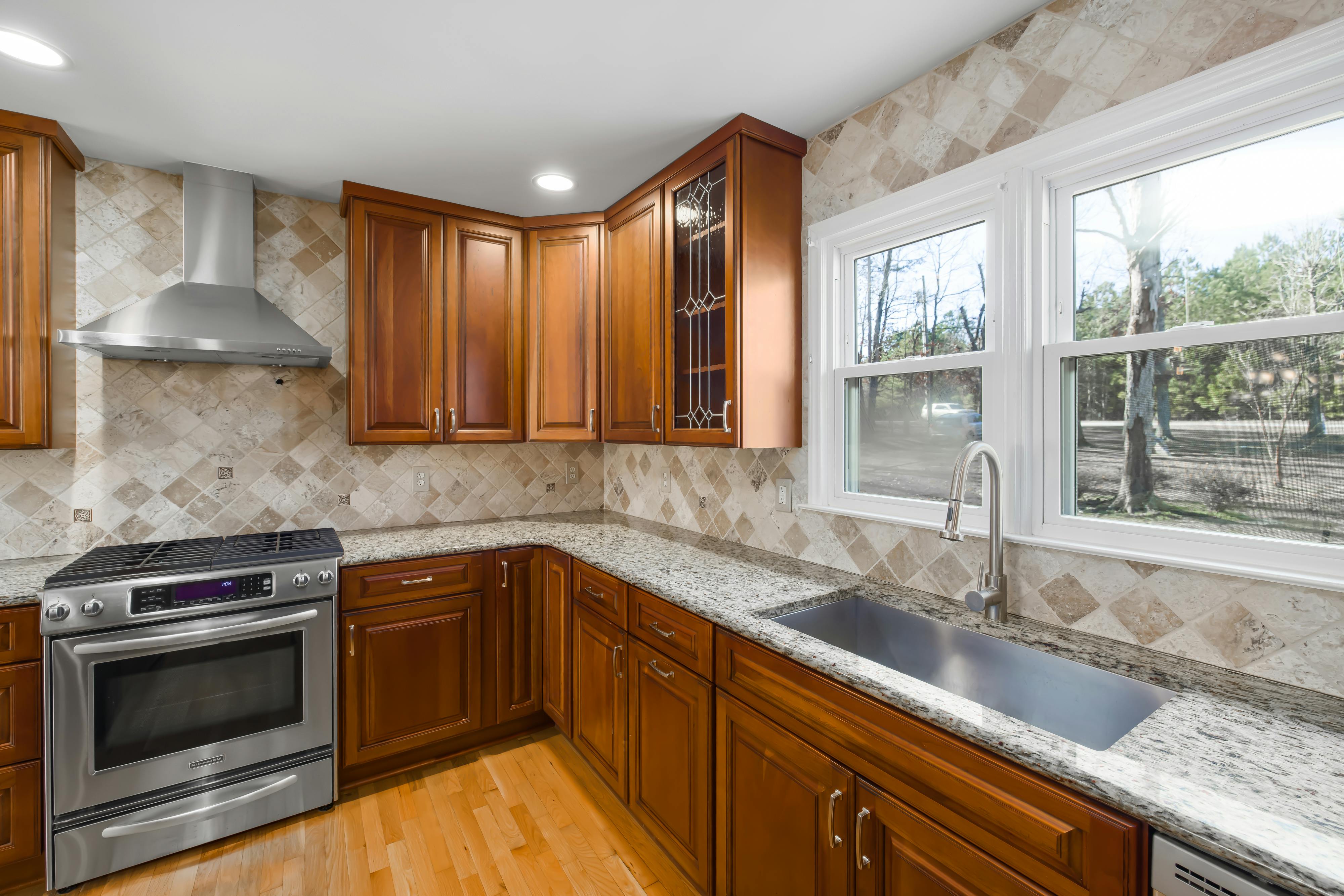
Photo by Curtis Adams
Granite Countertops
Granite countertops remain a practical choice for many kitchens because they handle normal cooking, cleanup, and daily contact well. This material comes in quiet backgrounds, strong mineral patterns, and darker colors that can anchor light cabinets.
Granite is not a single uniform product. Some slabs have tight grain, while others include bold movement, crystals, or contrasting veins. Visit the actual slab when possible, especially if the island will be the room's focal point. While many surfaces receive a factory treatment, periodic sealing is often recommended depending on the specific stone and finish. A fabricator or stone supplier should tell you which product they recommend and how often the surface should be checked. A sealer does not make stone immune to stains, and it does not replace prompt cleanup. Granite works well in a Naples kitchen when you want natural character without the more delicate care associated with some other materials.
Quartzite Countertops
Quartzite is a natural stone, not the same product as engineered quartz. It forms naturally and often has the soft veining that homeowners associate with marble, while many varieties offer strong resistance to everyday wear.
Some quartzite slabs are dense and relatively low maintenance. Others can absorb liquids and benefit from periodic sealing to keep the surface protected. Ask for the exact stone name and care recommendations instead of treating all quartzite as one category. These countertops can suit a coastal or transitional Naples design because the veining adds movement without requiring a busy cabinet color. The main tradeoff is that slab selection and care require more attention than a uniform engineered surface.
Marble and Soapstone Countertops
Marble countertops offer classic veining and a cool, polished appearance. They can create a distinctive island, backsplash, or baking area. However, marble can etch when acidic foods or liquids contact the surface. Lemon juice, vinegar, tomato products, and some cleaners may leave dull marks, even when the stone is sealed. That change is part of marble's normal behavior, but it may not suit every household. Choose this material when you appreciate its natural aging and plan to use appropriate cleaners and cutting boards.
Soapstone countertops have a soft, matte appearance and often come in charcoal, gray, or deep green tones. While the stone is relatively scratch resistant, it can develop a unique patina over time that adds to its character. Light scratches can often be buffed out or will blend into the appearance with regular use, while mineral oil may be applied to some finishes to deepen the color. Always follow the supplier's care instructions for your specific slab.
Natural stone rewards homeowners who want a surface with its own unique pattern. It requires more attention during the selection process because a small sample may not capture the full beauty of the actual slab.
Engineered Quartz and Manufactured Slabs
Engineered stone is a category of countertop materials created through a controlled manufacturing process rather than being cut directly from a quarried block. Because their appearance and maintenance needs vary widely, it is helpful to look at these manufactured options individually.
Engineered quartz
Engineered quartz combines crushed mineral material with resin binders and pigments. The result is a consistent slab with repeatable patterns. Homeowners often prefer quartz countertops because the surface is non-porous, meaning it resists staining and does not require sealing. Routine cleaning usually requires nothing more than mild soap, water, and a soft cloth.
Quartz countertops can imitate marble, concrete, or other stone patterns. They also come in plain colors that work well with natural wood cabinets or colorful backsplashes. Since the pattern is manufactured, you can predict exactly how multiple pieces will coordinate in your design.
Quartz still requires sensible care. Place a trivet under hot cookware, keep harsh chemicals away from the surface, and follow the product warranty. Heat resistance varies by product, but an engineered quartz counter should not become the landing spot for a pan straight from the oven.
Bright windows deserve attention in a Naples remodel. Some quartz products have limitations for prolonged direct ultraviolet exposure, especially in areas with intense, uninterrupted sun. Ask the manufacturer and installer about the exact product before placing it beside large windows or specifying it for an outdoor kitchen.
Porcelain countertops
Porcelain countertops are manufactured from compacted ceramic material and fired at high temperatures. They provide a crisp, modern aesthetic and are available in designs that resemble marble, granite, or wood.
Many porcelain products offer strong resistance to heat, stains, and ultraviolet exposure. However, the material can be unforgiving during handling. Edges and corners may chip if the slab is cut, transported, or installed poorly. Fabricator experience matters, particularly for large islands, thin profiles, waterfall ends, and sink openings. Confirm that the selected product is rated for the intended location, as interior and exterior recommendations often differ.
Solid surface countertops
Solid surface countertops are manufactured from acrylic or polyester-based material. They offer a uniform look with inconspicuous seams and can support integrated sinks for a seamless transition. Minor scratches can often be buffed out, which is a significant advantage in busy family kitchens. These surfaces have lower heat tolerance than stone or porcelain, so always use trivets.
Laminate countertops
Laminate countertops use a decorative surface layer bonded to a substrate. They offer a vast array of colors and patterns and can help control the material portion of a remodeling budget. In our humid coastal climate, water exposure at seams, edges, and sink cutouts deserves careful attention, as the substrate can swell if moisture enters the core.
While these manufactured options cover most modern needs, some homeowners also explore alternatives. Butcher block countertops provide warmth and a classic aesthetic but require frequent oiling to prevent water damage. Meanwhile, concrete countertops offer an industrial, custom-molded look, though they require professional sealing to handle the demands of a working kitchen.
These options make sense when repairability, design flexibility, or budget control matters more than a traditional stone appearance. They should be compared by their full construction and installation details, not by the surface color alone.
Kitchen Countertop Comparison at a Glance
This table provides a practical starting point for your project, but remember that the exact slab, finish, brand, and installation method play a significant role in the final result.
| Surface | Category | Main strengths | Points to check | Naples fit |
|---|---|---|---|---|
| Granite countertops | Natural stone | Strong everyday performance, natural pattern, many colors | Sealing needs, slab variation, seam locations | Good for active indoor kitchens |
| Quartzite countertops | Natural stone | Natural veining, durable feel, stone character | Exact variety, porosity, sealing, fabrication | Good when natural movement matters |
| Marble countertops | Natural stone | Distinctive veining, classic appearance | Etching, staining, cleaning habits | Best for owners comfortable with patina |
| Quartz countertops | Engineered surface | Consistent design, simple routine care | Hot cookware, chemical cleaners, direct UV | Good for many indoor kitchens |
| Porcelain countertops | Manufactured slab | Heat resistance, broad design range, UV stability | Edge handling, cutouts, fabricator skill | Useful for bright or approved outdoor areas |
| Solid surface countertops | Manufactured surface | Repairable, low-seam options, integrated sinks | Heat, scratching, product type | Practical for family kitchens |
| Laminate countertops | Manufactured surface | Design variety, budget flexibility | Moisture at seams and cutouts, substrate | Useful when cost control leads the decision |
| Butcher block countertops | Natural wood | Warm aesthetic, knife-friendly surface | Oiling requirements, water damage risk | Good for kitchen islands or prep zones |
| Concrete countertops | Custom poured | Industrial style, fully customizable shape | Cracking, sealing, weight, professional install | Good for unique, modern design statements |
The comparison shows why there is no single winner for every home. Natural stone remains a popular choice for those who value one-of-a-kind variation, while the consistency of quartz countertops offers more predictable pattern control. Porcelain countertops add impressive heat and sunlight performance, whereas options like solid surface countertops and laminate countertops provide distinct approaches to daily repairs and budget management. Whether you choose the warmth of butcher block countertops or the industrial edge of concrete countertops, your final decision should align with your specific lifestyle and maintenance preferences.
Coastal Climate Changes the Details
Naples' coastal climate heavily influences our design conversations, but it is important to remember that indoor countertops are not exposed to the elements in the same way as outdoor materials. Air conditioning, humidity, open windows, salt air, and strong sun all influence how you plan your kitchen layout. When weighing the pros and cons of different materials, consider how these environmental factors might interact with your chosen surface over time.
For an indoor kitchen, moisture around the sink and dishwasher deserves more attention than general humidity. A properly finished edge, a sealed sink cutout, sturdy cabinets, and well-maintained plumbing connections help protect your surrounding materials. Water should never be allowed to sit around seams or penetrate the exposed substrate.
Sunlight is another significant factor in our region. Large windows and glass doors can brighten a kitchen, but direct ultraviolet exposure may affect certain resins, pigments, or finishes over time. Ask your designer whether your chosen countertop product has specific indoor sunlight limitations. Manufacturer guidance is always more useful than a general claim made about an entire material category.
Outdoor kitchens require a completely separate specification. Interior-rated engineered quartz should not automatically be moved to an exterior setting. You must choose a product that the manufacturer specifically approves for exterior use, and you should discuss the slab's performance under direct sun, rain, cleaning agents, and temperature fluctuations. While some granite, quartzite, and porcelain products may suit outdoor applications, the exact product and the quality of the installation details will dictate your long-term results.
A Naples remodel also must account for hurricane-season planning and frequent indoor-outdoor entertaining. Countertops positioned near sliders, pass-through windows, or outdoor serving areas may receive more spills and foot traffic than others. In these high-traffic spots, choosing durable edges and easy-clean finishes is often a smarter investment than selecting a more delicate polished surface.
Match the Surface to Your Style and Routine
Color should come after you understand the slab's pattern. A white counter with strong gray veining can dominate a room, while a softly speckled granite may let colorful cabinets or tile take the lead.
For a coastal kitchen design, you do not have to choose bright white. Warm white quartz, pale quartzite, light gray granite, blue-gray solid surface, and natural wood accents can all create a relaxed feel that fits perfectly into the overall room layout. Dark countertops can add contrast, but they may show crumbs, dust, and water spots more clearly in strong window light.
Cabinet color also affects how much movement the room can handle. Shaker cabinets with simple hardware can support a more active stone pattern. Slab-front cabinets, patterned tile, or bold lighting may pair better with a quieter counter to balance your kitchen design.
The finish changes the appearance and maintenance experience. Polished stone reflects light and shows the stone's color clearly. Honed finishes have a softer look but may show marks differently. Leathered or textured finishes can add touchable character, yet their care instructions vary.
Bring cabinet, flooring, backsplash, and paint samples to the slab yard. Look at them in daylight and under the kitchen's planned lighting. Check the slab's edges, corners, and areas around future sink and cooktop openings. A small showroom sample cannot show every decision the fabricator will make.
Build the Budget Around Fabrication and Installation
Countertop budgets involve much more than just the advertised cost per square foot for the material you select. The final estimate for your kitchen remodel will likely include measurement, templating, fabrication, edge work, sink and cooktop cutouts, seam placement, backsplash pieces, delivery, installation, and disposal.
A less expensive material can carry added fabrication costs if it requires complex edges, difficult cutouts, special support, or careful seam placement. Conversely, a premium-looking design may remain budget-friendly when the layout uses simple edges and efficient slab placement.
Ask your contractor for an itemized estimate that clarifies the total cost per square foot, including all labor and materials, while answering these questions:
- Does the quote include removing and disposing of the existing countertop?
- Who supplies the sink, and does the fabricator install it?
- How many seams will the design require?
- Which edge profile is included in the base price?
- Does the island need added support for its overhang?
- Are backsplash slabs, outlets, and window returns included?
- What care products and warranty documents come with the surface?
Cabinets must be level and strong enough to support the weight of your chosen slab. If the remodel changes the island size, moves plumbing, or incorporates a heavier material, the contractor should review the cabinet system before fabrication begins. Walls may also need adjustment when an old counter is removed and the new surface follows a different layout.
The template visit is not a casual measurement. Appliances, sinks, faucets, walls, filler panels, and cabinet faces all influence the final cuts. Ensure your chosen appliances and sink are available according to the installation schedule so the final measurements perfectly match the products that will occupy the space.
A Smarter Way to Choose Your Slab
Begin with three priorities, then rank them. For example, you may care most about low maintenance, natural movement, or heat resistance. Naming those priorities prevents a dramatic slab from winning the decision before you consider how your kitchen will actually function.
Next, narrow the field by location. A busy indoor island, a baking section, a wet bar, and an outdoor counter may need different specifications. One material can work throughout the kitchen, but it does not have to.
Then compare actual products rather than broad labels. Record the manufacturer, product name, finish, thickness, care instructions, warranty limits, and approved applications. For engineered quartz and porcelain, check the product documentation. For natural stone, ask about sealing and inspect the full slab.
Before signing off, review the layout drawing. Confirm the position of seams, sink reveal, faucet holes, cooktop opening, outlets, edge profile, overhang, and backsplash. If the slab has prominent veins, ask how the fabricator will align them across seams and corners.
Finally, plan your maintenance requirements around real behavior. Use cutting boards and trivets, clean spills promptly, and choose cleaners recommended for the surface. Avoid abrasive pads and unapproved chemicals. Simple habits protect the finish, but they cannot correct a poor material choice or careless installation. As you finalize your selection, weigh the pros and cons of your chosen material to ensure it aligns perfectly with your lifestyle and daily routine before signing a contract.
Frequently Asked Questions
Which kitchen countertop material is best for high-traffic Naples homes?
For busy households, durable options like engineered quartz or porcelain are often preferred because they are nonporous, resist stains, and require very little routine maintenance. These materials stand up well to frequent activity and do not require the periodic sealing that natural stone often needs.
Do I need to worry about direct sunlight on my countertops?
Yes, especially in Naples homes with large windows or open floor plans. Intense, prolonged UV exposure can cause some engineered quartz resins or pigments to fade or change over time, so it is important to ask your fabricator about specific product ratings for sunlight stability.
How do I maintain a natural stone countertop?
Maintaining natural stone requires prompt cleanup of spills to prevent staining and the application of a recommended sealer at regular intervals. While they provide beautiful, unique movement, owners must be prepared to use cutting boards and trivets to protect the natural surface from scratches and heat.
Can I use the same material for my indoor and outdoor kitchen?
Not necessarily, as many interior-rated materials like standard engineered quartz may not withstand outdoor temperature fluctuations, rain, or direct UV exposure. Always confirm with the manufacturer that the specific slab you have selected is certified for exterior use to ensure it performs well under Florida's coastal conditions.
Conclusion
A successful kitchen countertop comparison for your Naples home weighs natural character against predictable maintenance, all while considering the specific demands of local sunlight, humidity, and your daily cooking habits. Whether you are drawn to the timeless appeal of granite countertops, the high-end luxury often associated with marble countertops, the modern consistency of quartz countertops, or the cost-effective practicality of laminate countertops, the right surface depends on your lifestyle.
Choose the actual product and fabrication plan, rather than focusing solely on the material name. When your selected slab aligns with your routine, climate exposure, cabinet support, and design goals, you ensure that the finished kitchen will feel functional and beautiful every day. By balancing aesthetics with long-term performance, your choice will serve your home for years to come.